

À propos de ce voyage
Activity Schedule:
1. The activity requires a minimum of 2 participants and departs every five days, but it can also be arranged according to your own schedule with coordination with the guide.
2. Meet at SIMPLE STONE BAKERY at 12:00 noon, exit the expressway at Wafang around 3:00 PM.
Sometimes at the expressway exit, there are vendors selling sugarcane and other seasonal fruits, you can buy some fruits and take a break.
3. Upon arriving at Mangkuan, you can visit the local vegetable market. There is a stall with an uncle who sells local special fruits, orchids, and pickled sour ants.
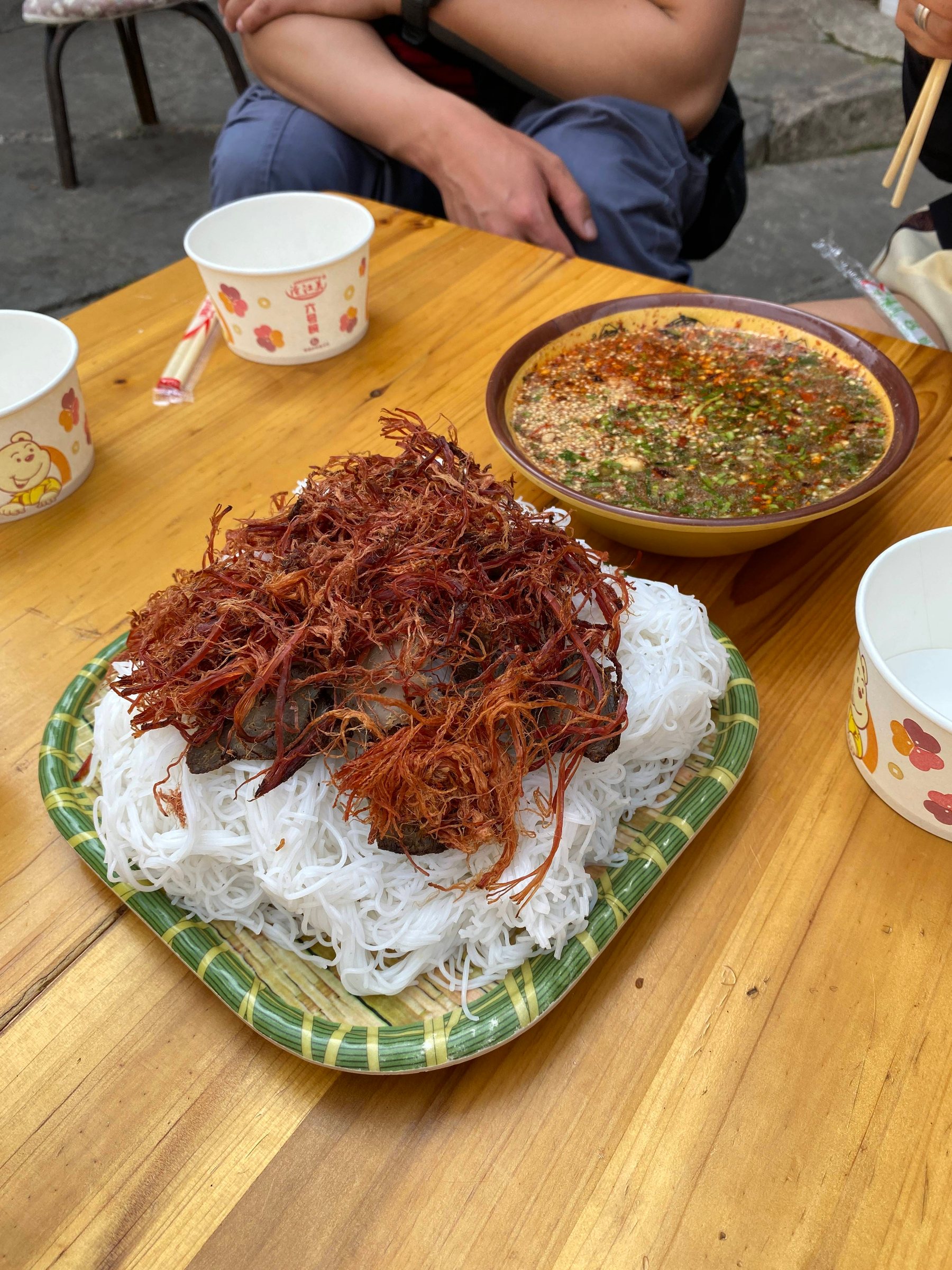
On the main street of Mangkuan, there is a Jingpo-style sapek restaurant that has been open for many years, serving delicious dried shredded beef and grilled beef liver.
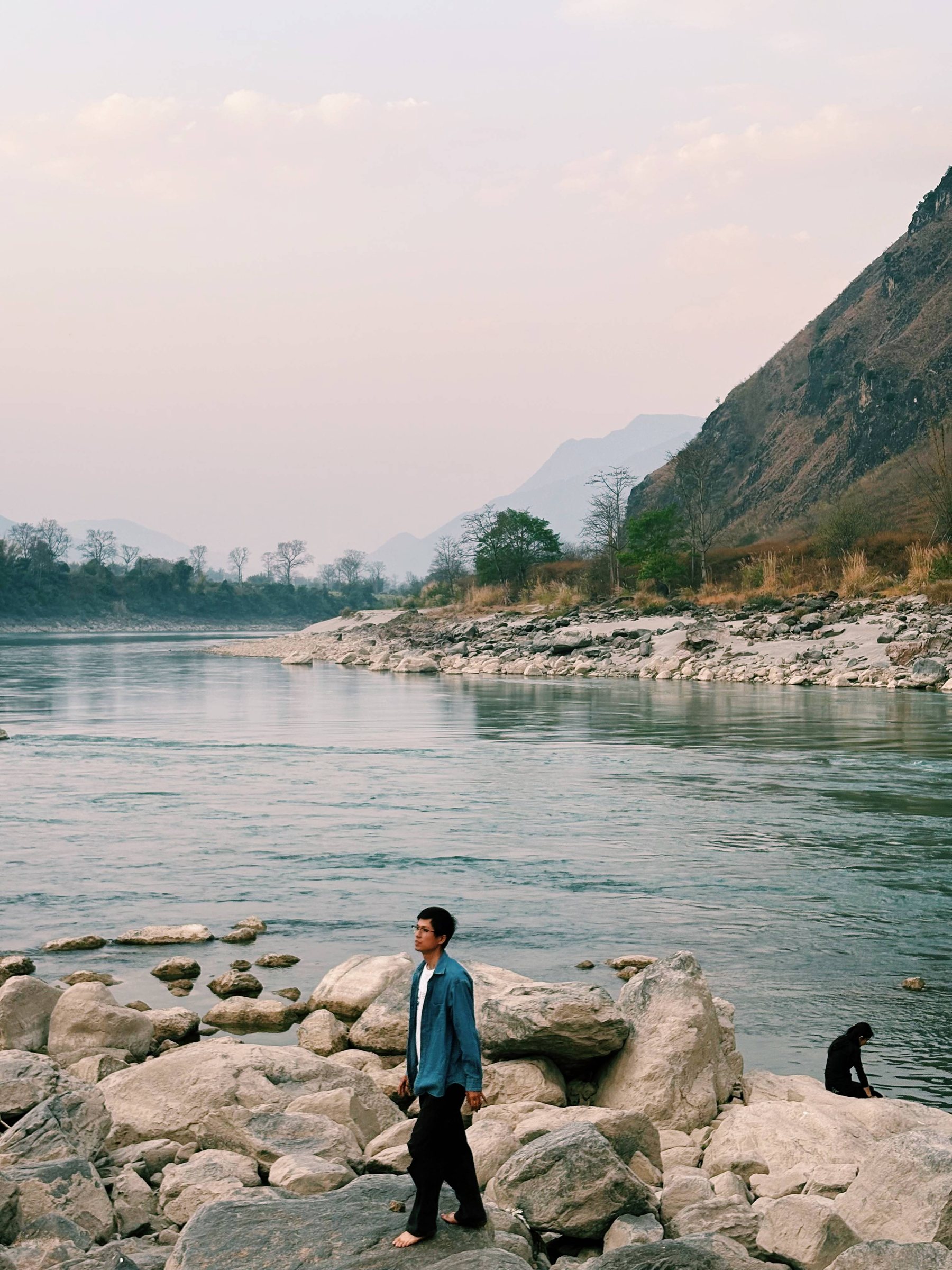
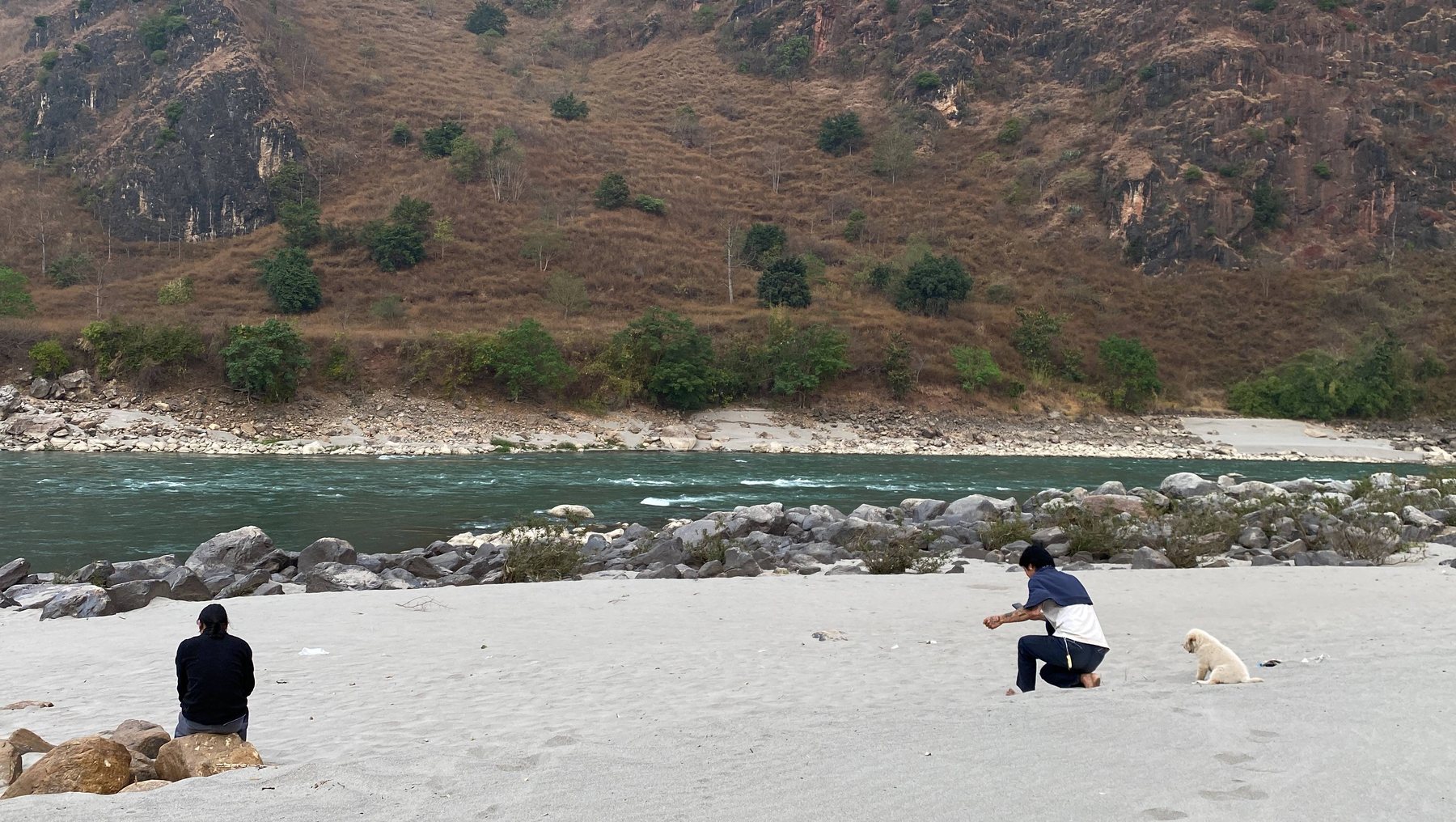
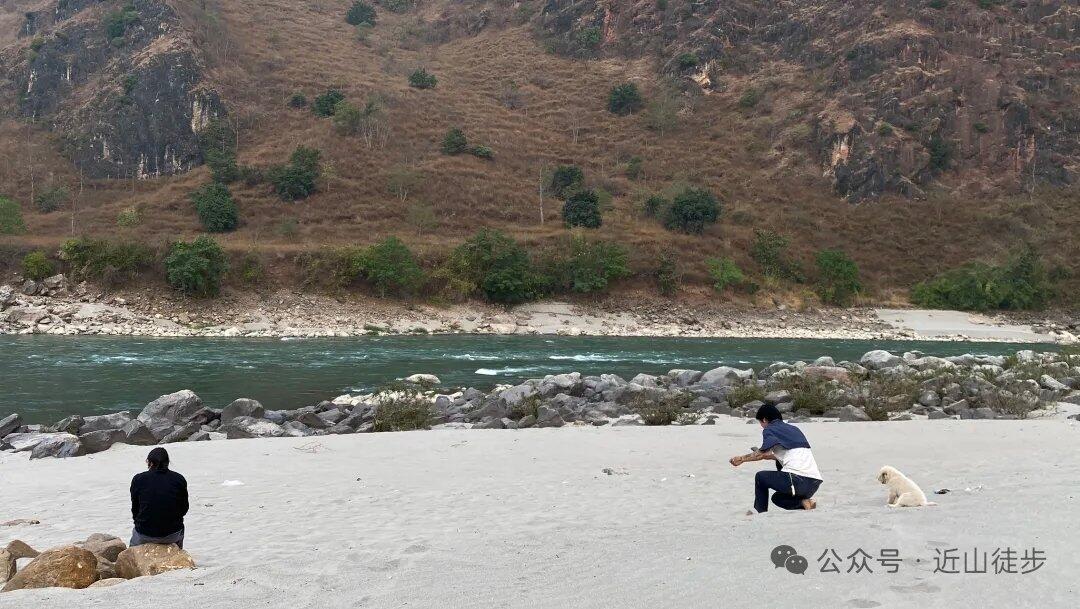
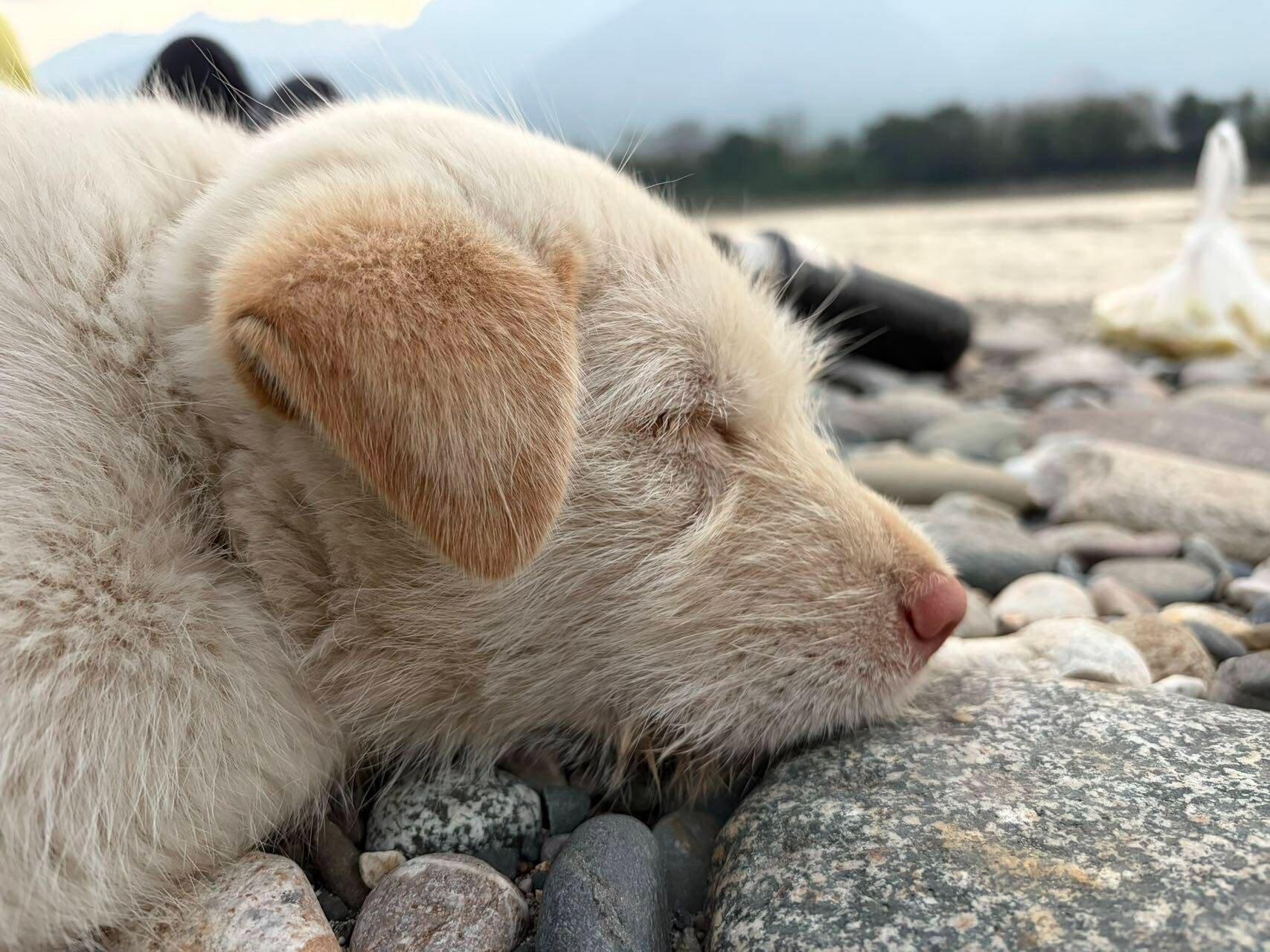
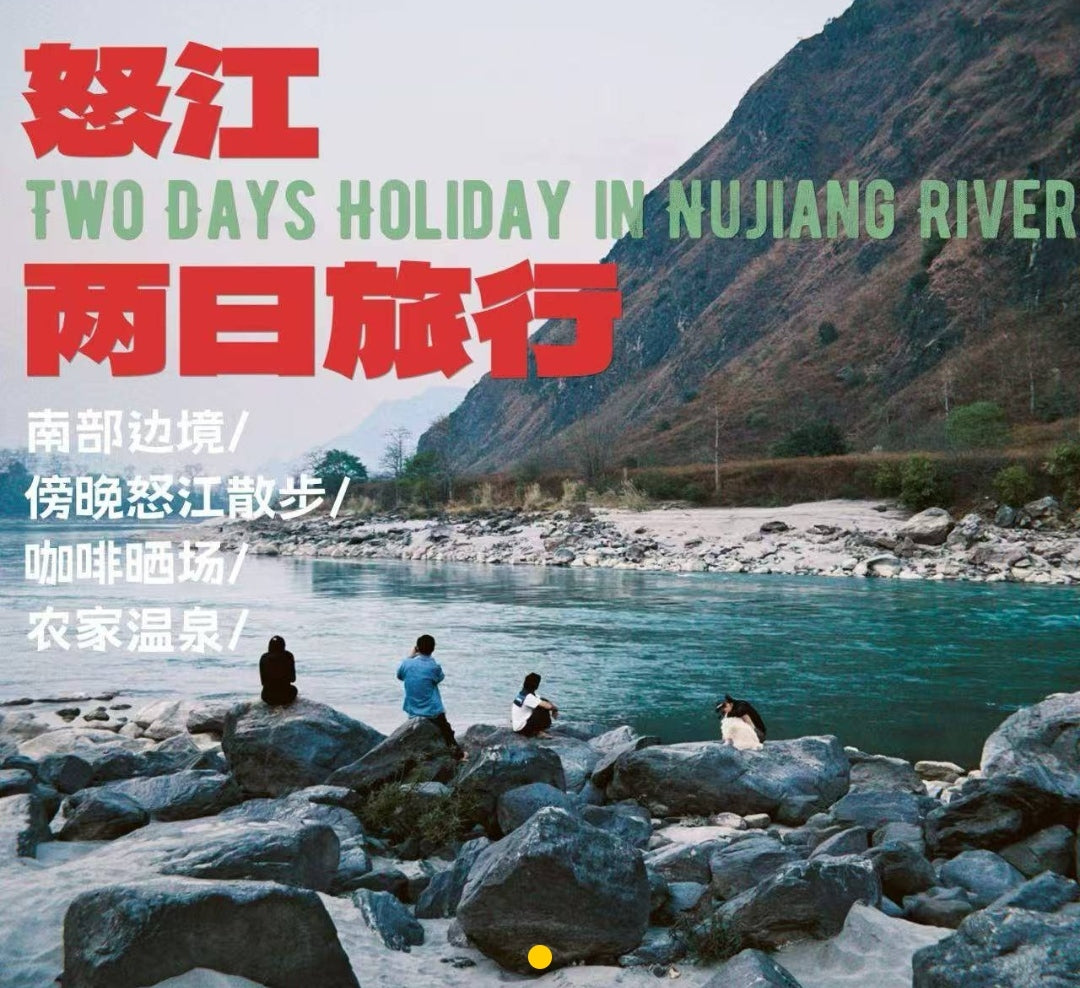
4. In the evening, head to the Nujiang River beach for a walk, with mango and orange trees planted along the way.
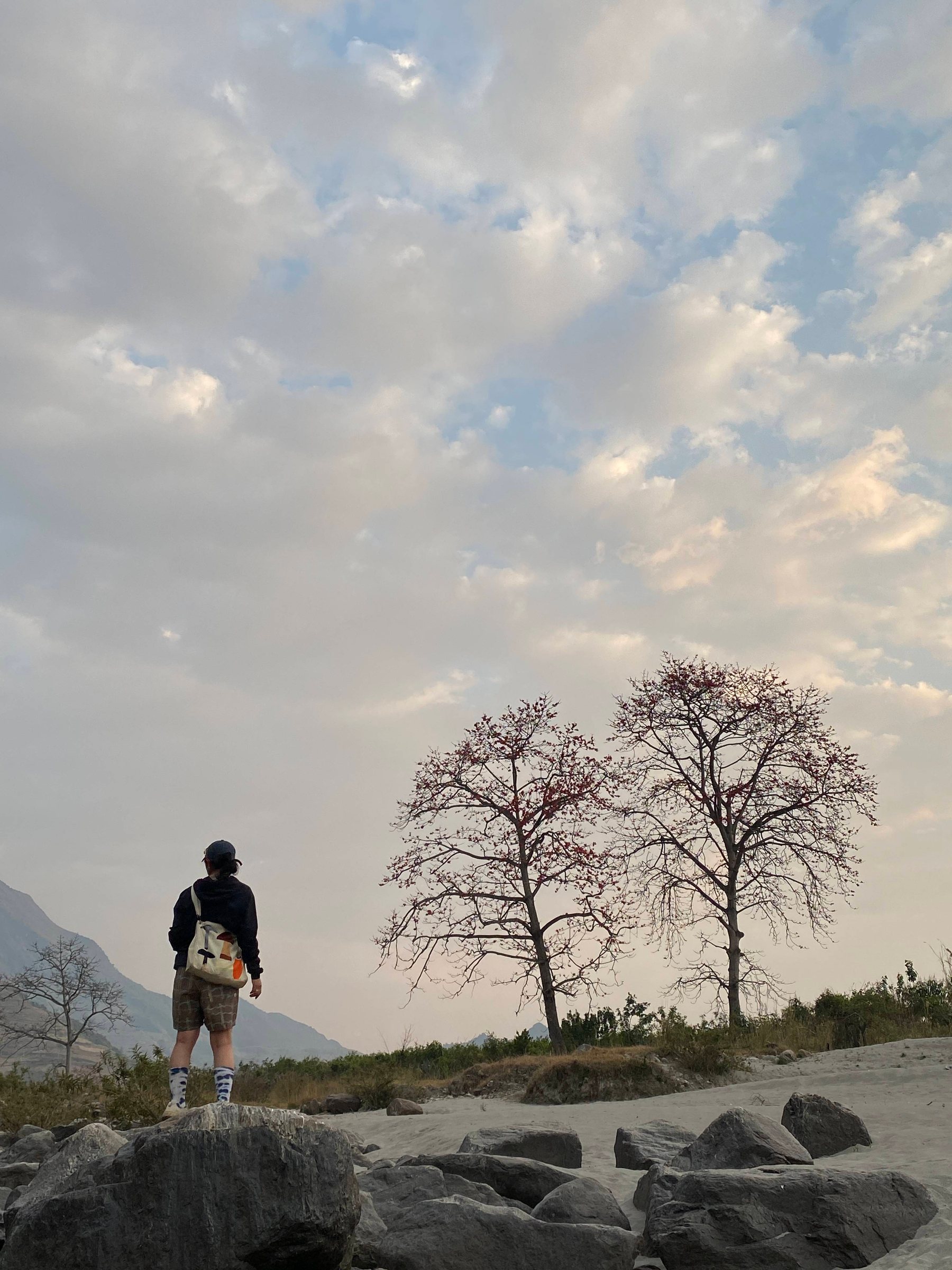
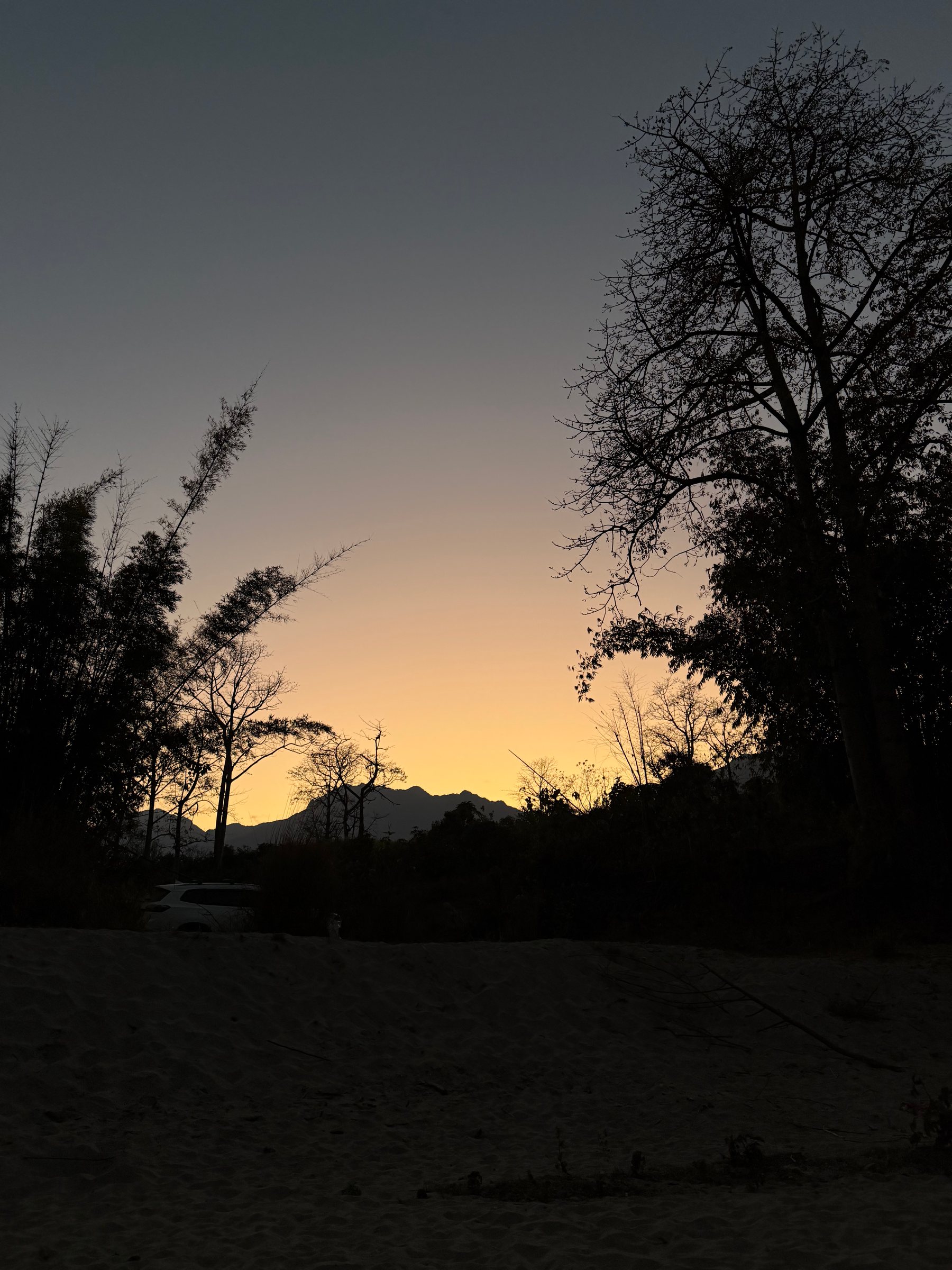
5. Kapok flowers are in full bloom on the beach. The soft evening light hits the Nu Mountain on the opposite bank, and the mountain's shadow reflects on the river surface. The walking path passes by huge cluster fig trees, and a patch of water willow grows lushly on the dry-season beach. There are also large piles of shiny rocks washed by the river.
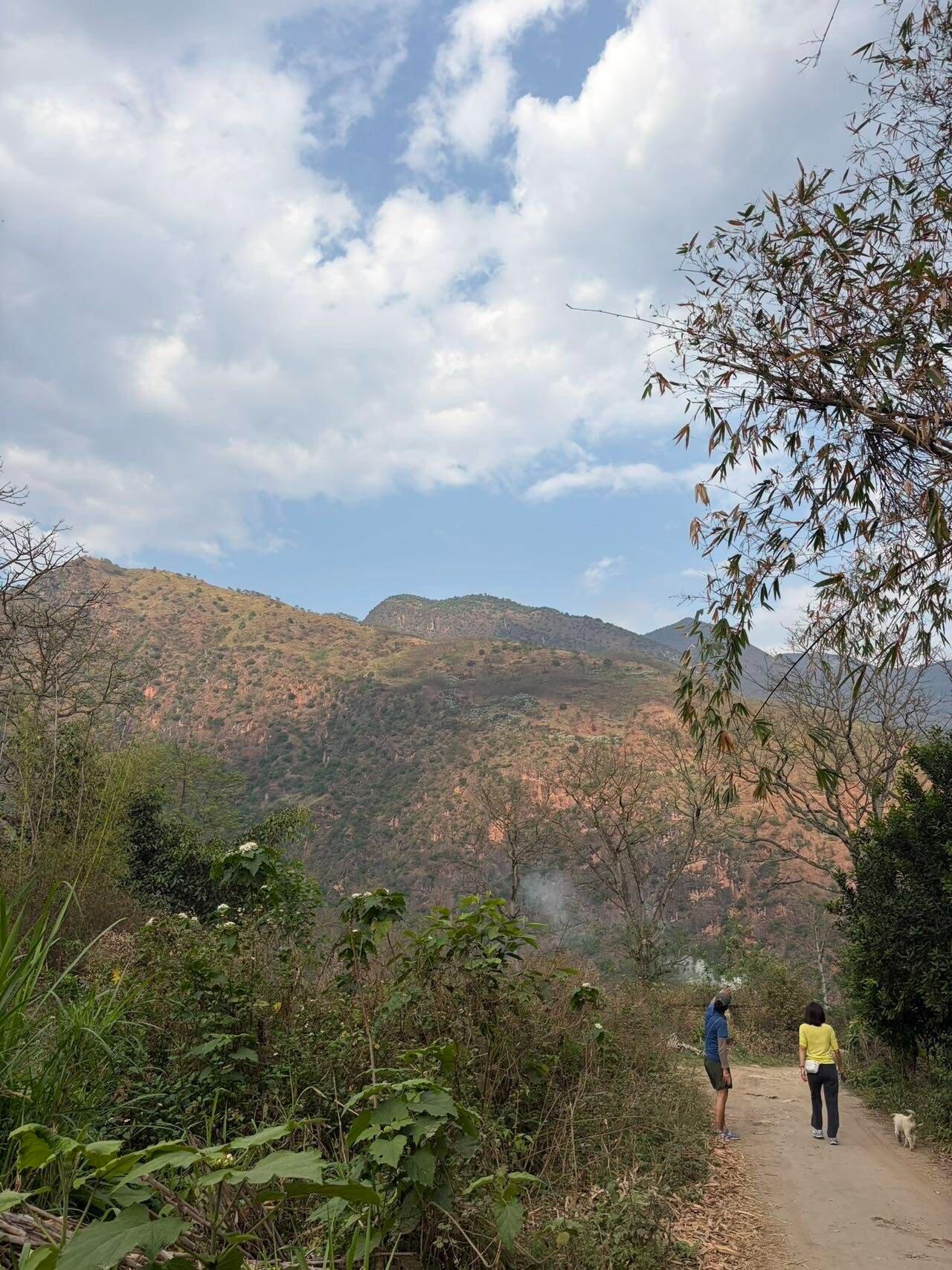
6. In the evening, return to a Dai restaurant on the hillside of Mangkuan for dinner, then go to a farmhouse hot spring courtyard on the opposite bank of the river. 7. After breakfast the next day, head to a wide mountain path halfway up Gaoligong Mountain, with an open view of the Lujiangba plain and a deserted trail. The endpoint is the temple at the top of the Sandieshui Waterfall.
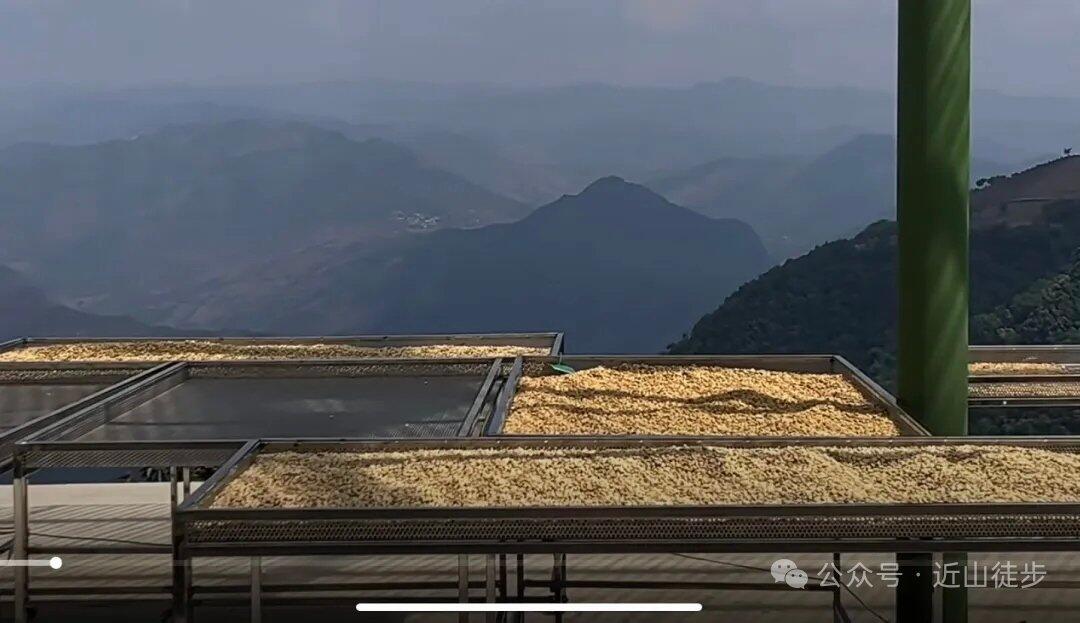
8. At noon, visit the coffee drying yard on the eastern foothills of Gaoligong Mountain, overlooking the Mangkuan basin from a distance.
9. After lunch, return to Dali, arriving around 8:00 PM.
Notes:
1. Accommodation defaults to one person per room; couples can share a room.
2. Cost includes: round-trip transportation, travel insurance, one night's accommodation, four meals, and hot springs. That is, all expenses except personal shopping.
For activity details and post-booking arrangements, please contact the lead guide via WeChat:
2026.03.11~12 Nujiang Travel Record
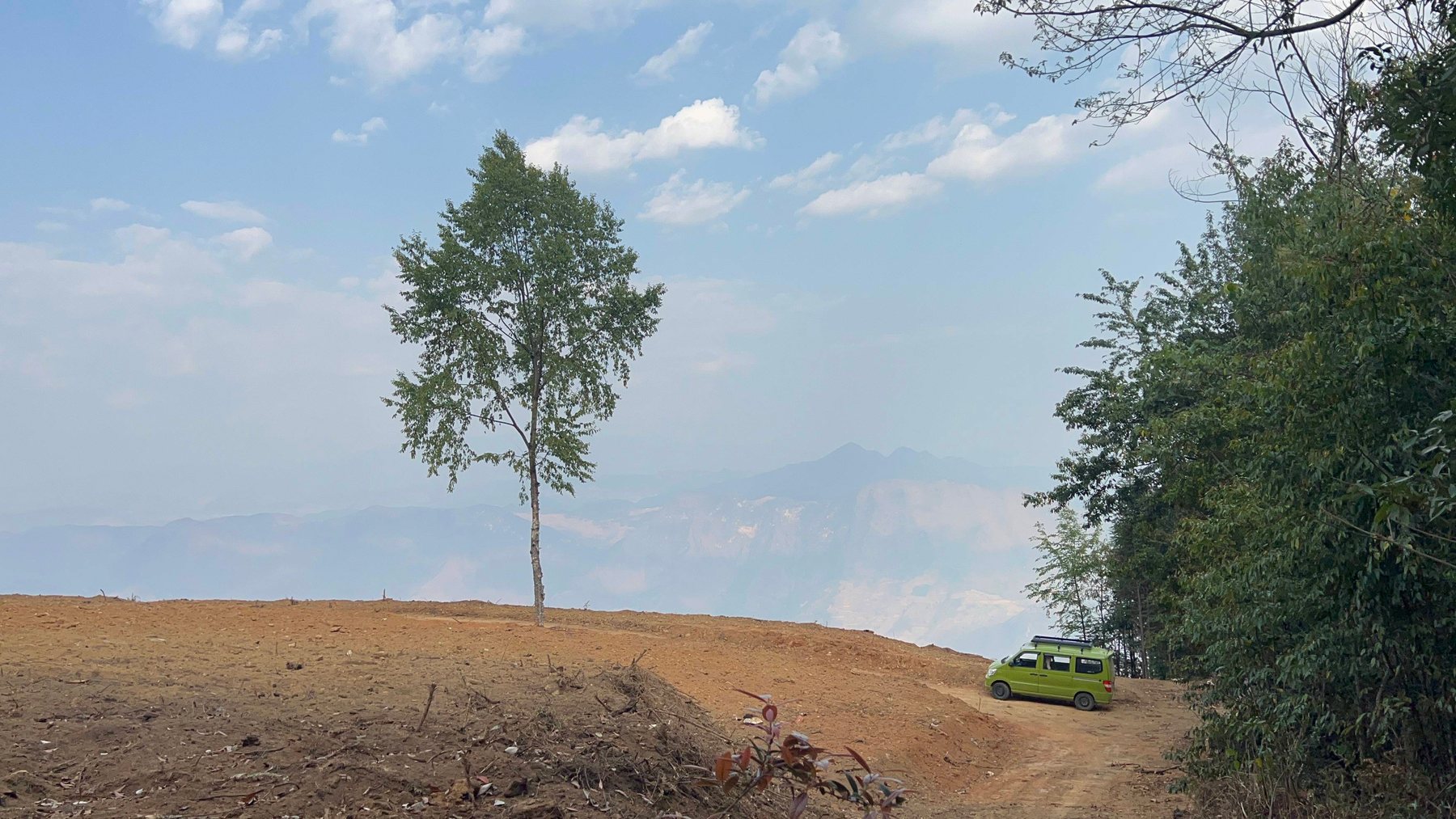
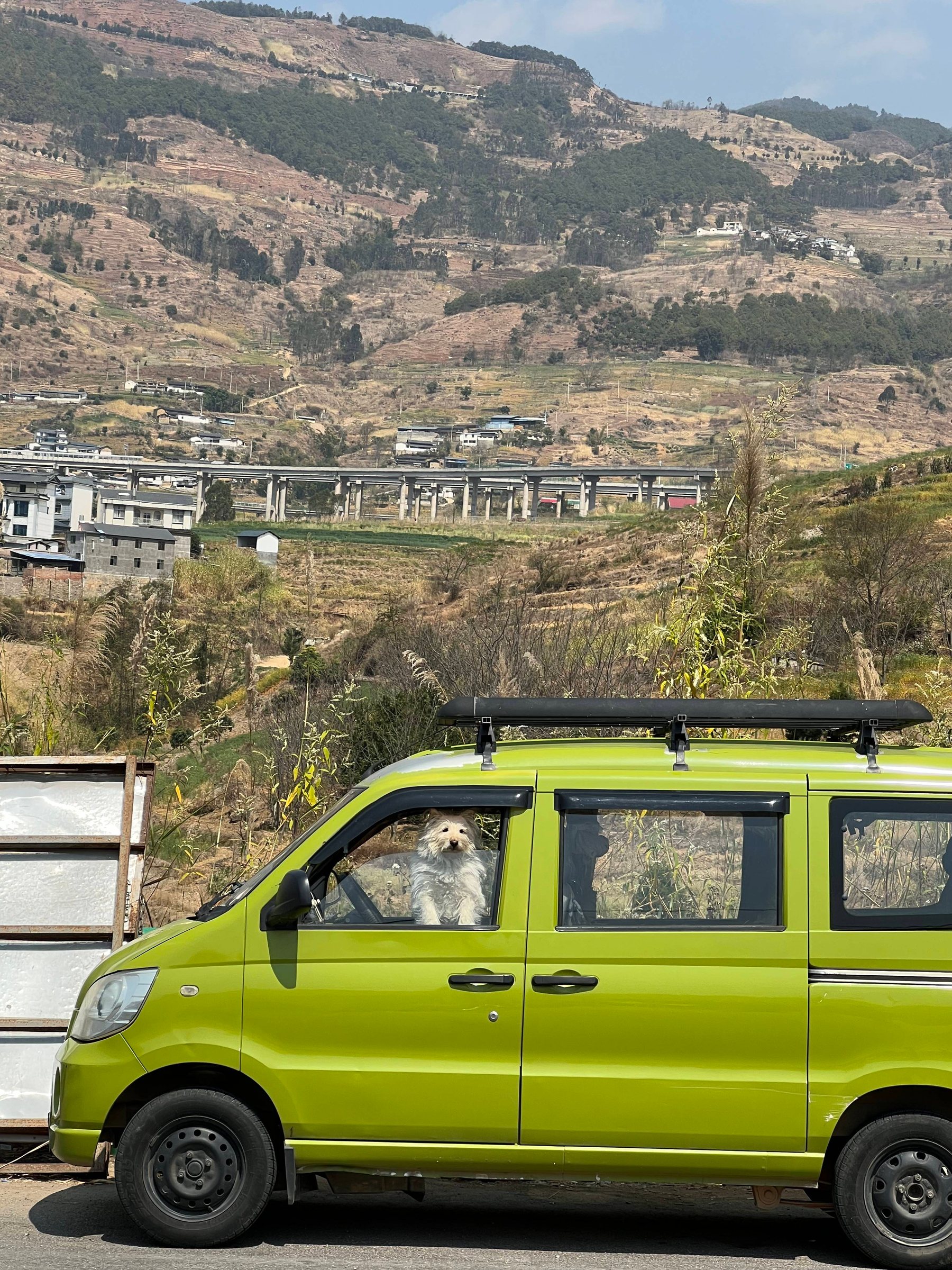
Although Li Zhenhao has had a new car for a while, the green minivan Asai is still the top choice for our trips, because only when riding in it do we feel like we are on vacation.
Asai carried us, exiting the expressway at Wafang, rolling down the windows, a warm and humid air rushed in, touching our skin—a kind of atmosphere we never experience in Dali all year round. According to the weather forecast, we expected a heavy rain to fall in the Nujiang Valley tonight, but the sugarcane-selling brother by the roadside said, "It doesn't look like it will come tonight." This was the intuition of a sugarcane farmer, highly credible, we understood in our hearts, but we temporarily chose not to believe it.
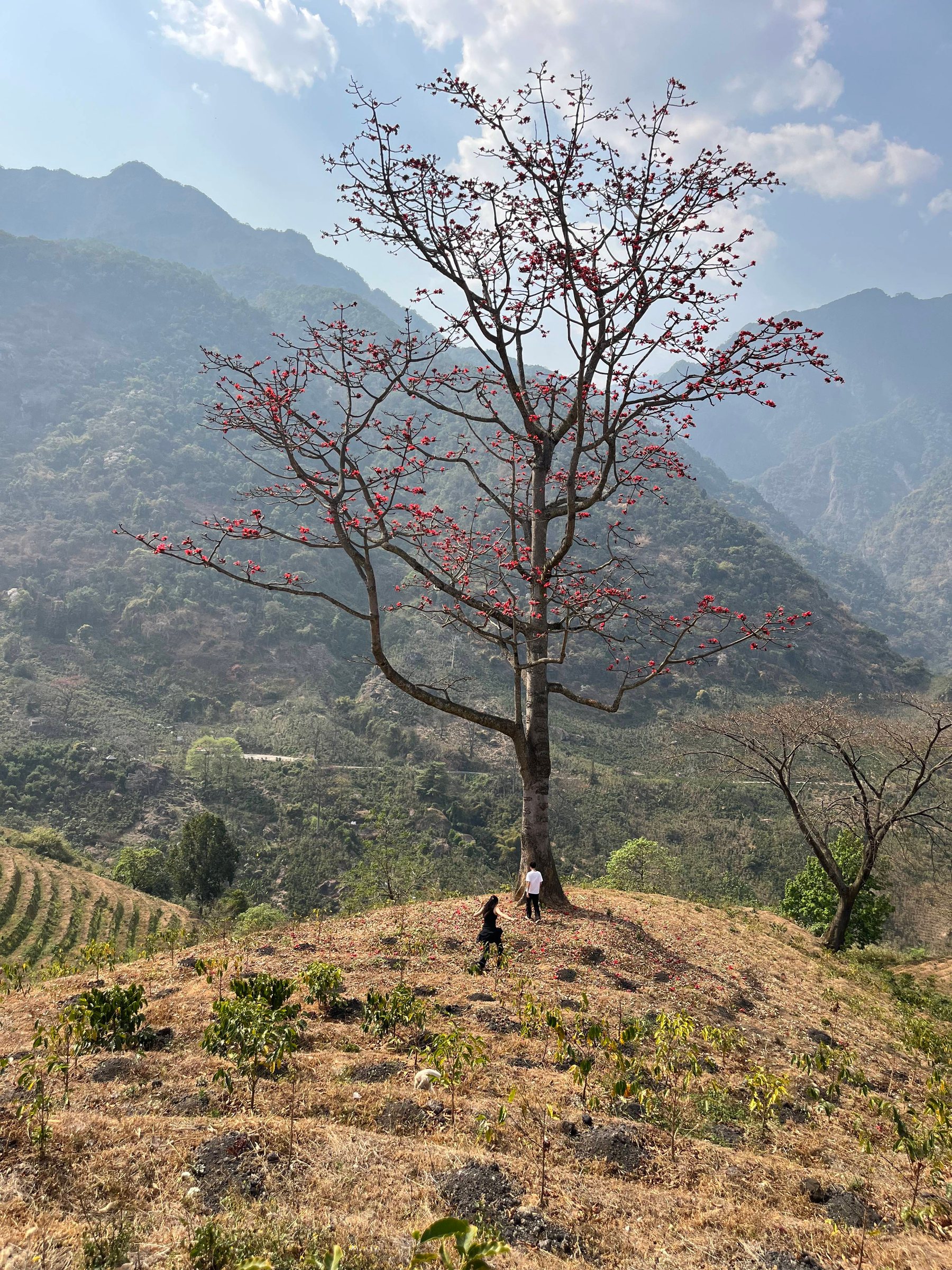
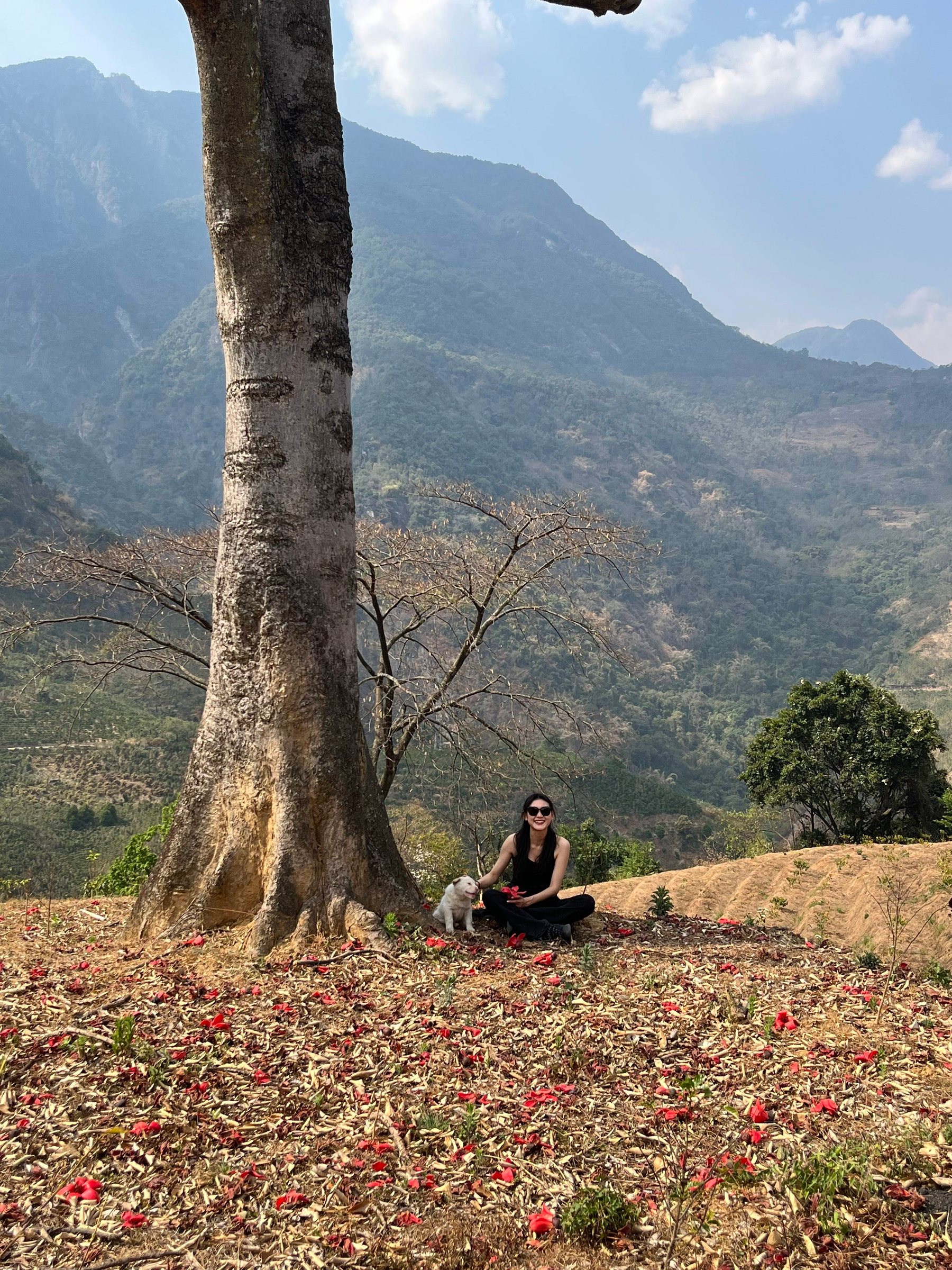
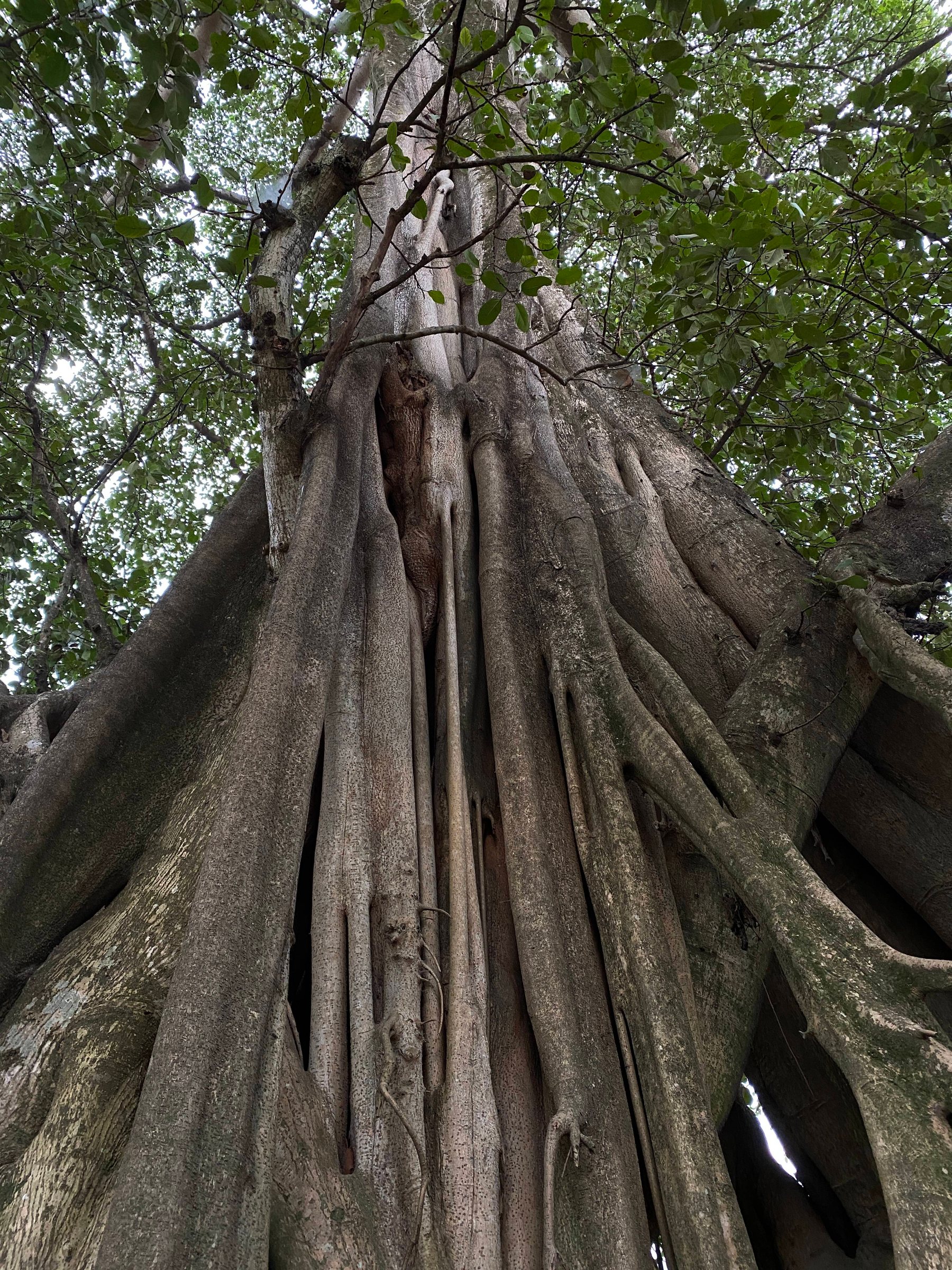
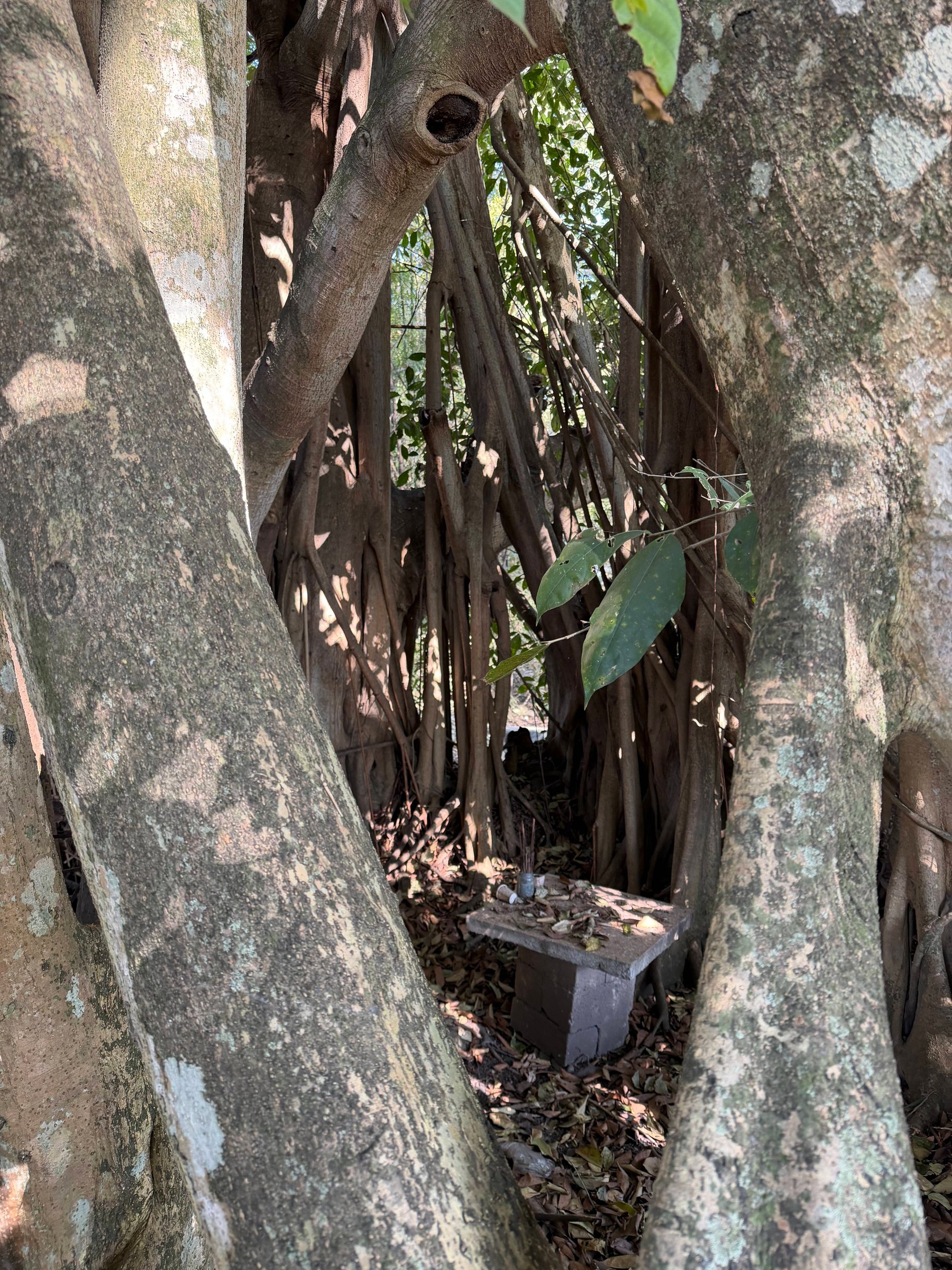
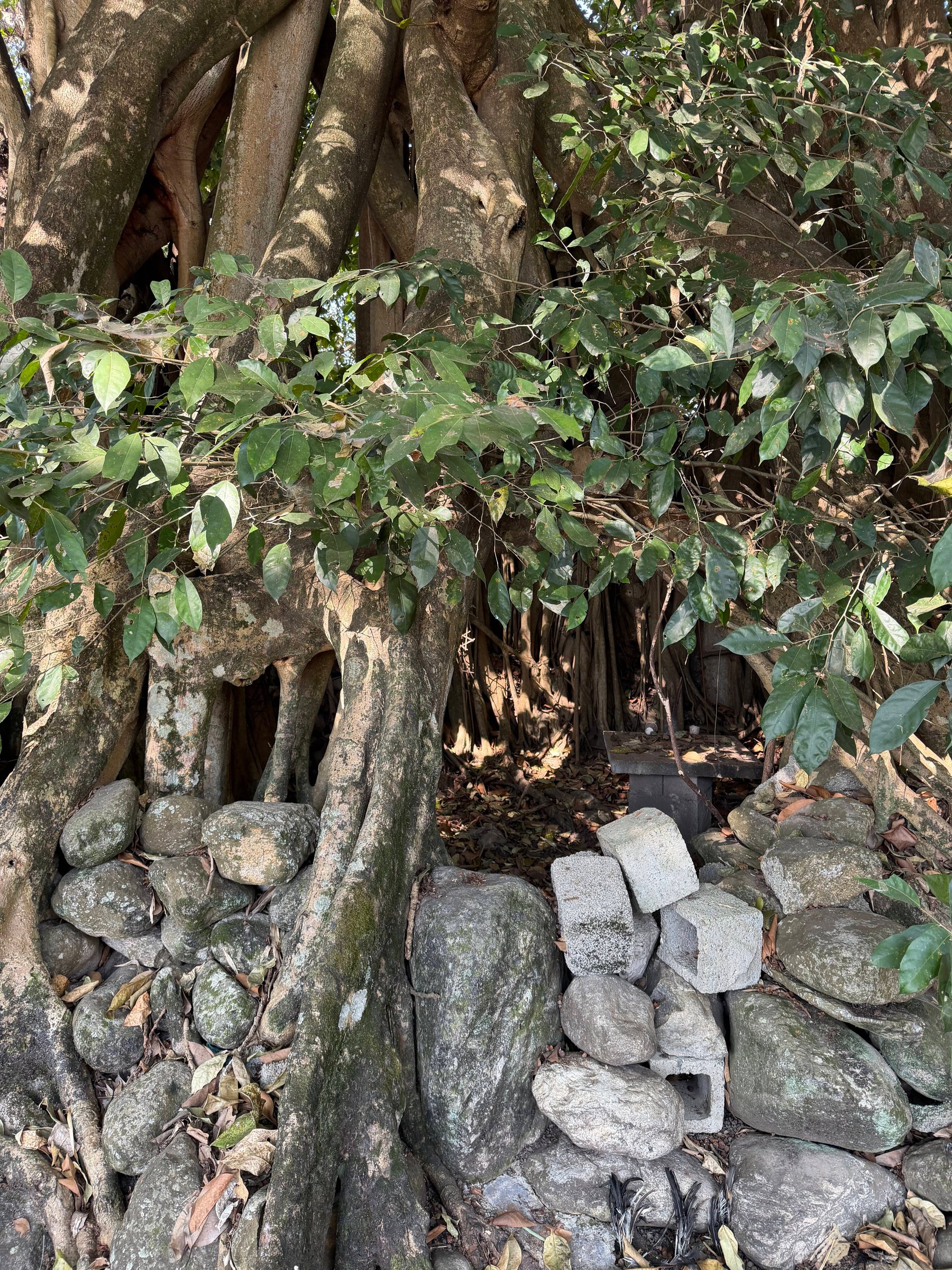
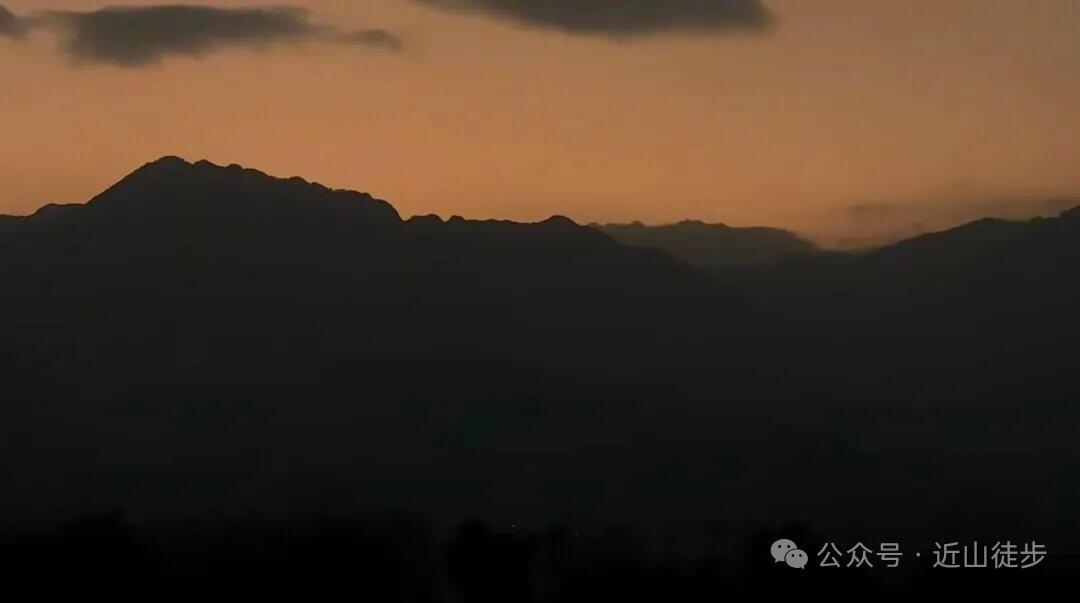
Crossing the Nujiang River, we entered the Mangkuan basin. Kapok flowers hung high on the branches, already at the tail end of the blooming season, but still shining bright red. In the distance, the silhouette of Gaoligong Mountain could be seen. In the town, there was a sapek restaurant that had been open for many years, serving delicious dried shredded beef and grilled beef liver. After eating sapek, I drank a mango smoothie, watching pedestrians on the street, daydreaming, sweeping away the fatigue of holiday work. Only then did I truly feel I had arrived in Nujiang, a dry-hot valley climate completely different from Dali. The warm and humid air currents from the Indian Ocean cross Gaoligong Mountain and descend here. There is no winter here, only distinct dry and wet seasons. In the villages on both sides of the Nujiang River, giant banyan trees can be seen everywhere, their clusters of aerial roots thrusting into the ground like straws, growing new trunks. This is their survival strategy to cope with the dry-hot valley climate. Local people worship these giant trees as deities, offering sacrifices and protection.
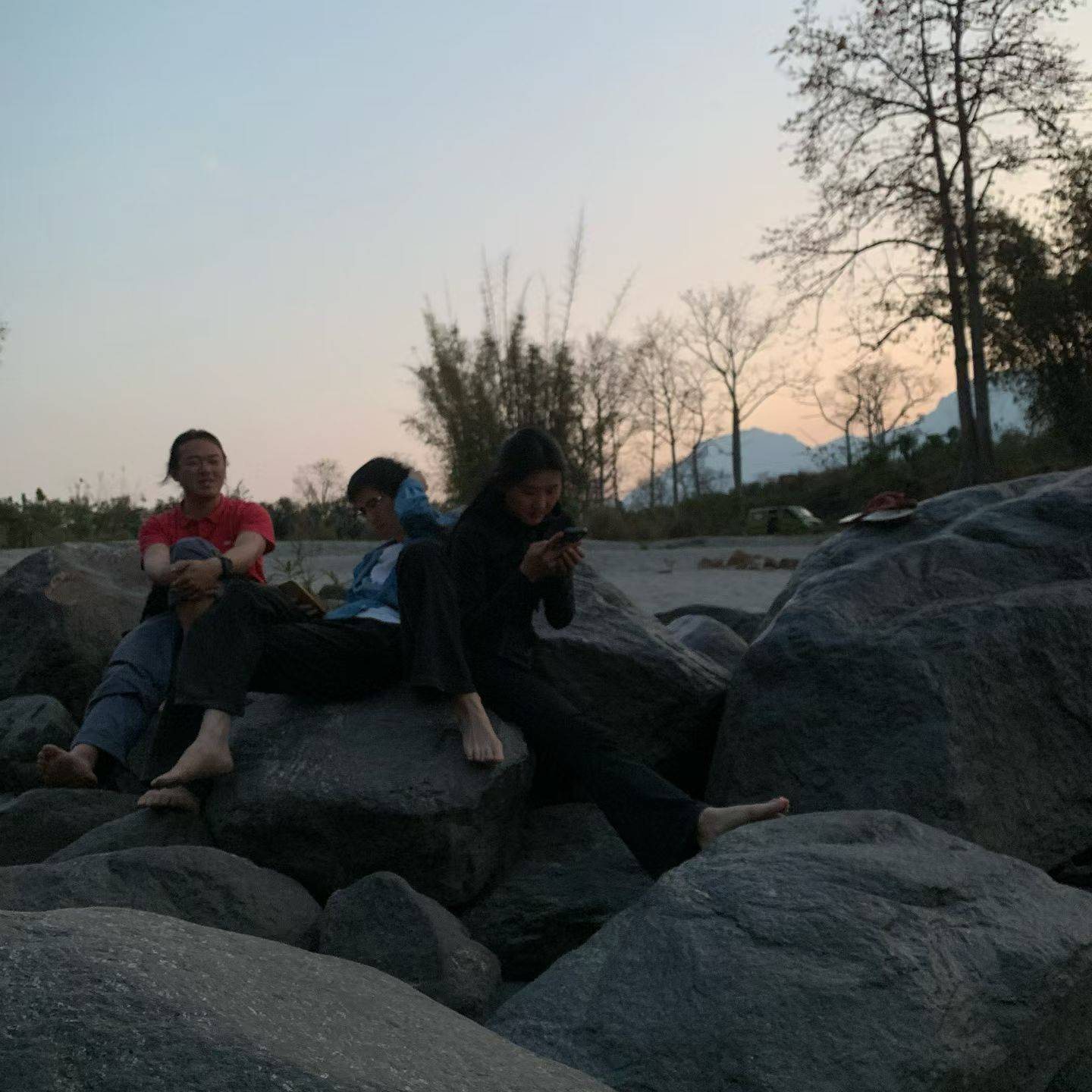
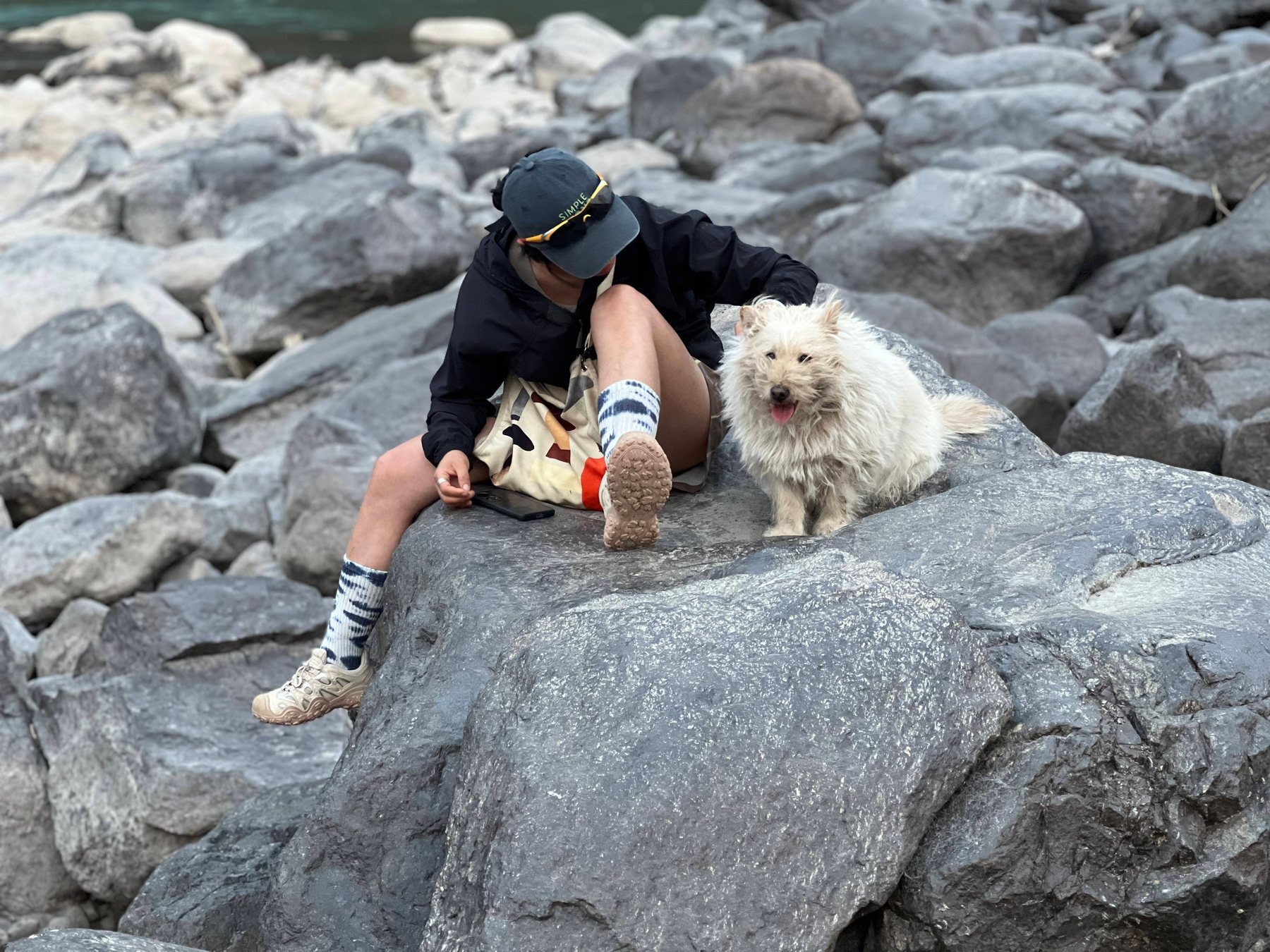
The Nujiang River is the last large river in Yunnan that has not been dammed by hydroelectric projects and maintains its natural flow. In a sense, it is alive. In the evening, we came here for a walk, with the naturally flowing blue-green river water and the evening breeze brushing against the smooth rocks on the bank. And us, we sat on the rocks chatting. As mist rose over the river, the light in the valley slowly dimmed.
After nightfall, after a hearty meal at a local restaurant, we took a short break and then went to a local farmhouse hot spring inn by the river for a soak. The inn's owner had already fallen asleep, and the place was empty. We completely self-served ourselves, soaking in the dark outdoor pool.
Evening Nujiang
The next morning, thin mist rose again from the Nujiang River on the village path outside the inn.
We went to visit the Sandieshui Waterfall on the eastern slope of Gaoligong Mountain. During the dry season, the waterfall was "stopped," but the forest path leading to Sandieshui offered an open view. Tall banyan trees grew on both sides of the mountain path, their roots wrapping around huge rock faces like nets. At the end of the path appeared a temple on the edge of a cliff. It is said that an old man from Taiwan, originally from Mangkuan, had left for nearly forty years. In the 1990s, he returned and, upon seeing this waterfall, could not move his legs. He spent his own money to build the road, bridge, and temple, just so that outsiders could also see the scenery he had grown up with. It is said he sold his house in Taiwan. The old man has passed away, and now the temple is managed by his son. From here, you can overlook the entire Mangkuan basin and the distant Nu Mountain.
Coffee Drying Yard
Mangkuan is a world-recognized golden coffee planting zone. Besides traditional coffee varieties, world-class specialty coffee varieties such as Geisha, Typica, and Bourbon are also grown here. In March, we visited Zheng Chu's coffee drying yard on the eastern foothills of Gaoligong Mountain. The colors of the drying yard were eye-catching: translucent white PC corrugated tiles supported by bright green pillars, giving a sense of lightness under the sun, half detached and half integrated with the surrounding mountains. We happened to catch them picking and washing the new beans this year. The processed beans were already lying obediently on iron racks, basking in the sun. Looking at the distant Mangkuan basin and clusters of villages, Zheng Chu brewed us a few cups of coffee and talked about the recent situation of running the coffee estate. When we first met Zheng Chu, the drying yard had not yet been built. She and her friends had rented a local house on the mountainside, collected and planted coffee beans, and were still getting familiar with the local conditions. One year, she came to Dali to take the drone spraying exam, and the exam venue was near Li Zhenhao's botany workshop. "It's like seeing a seed sprout," said He Chen.
(The following photos are from Zheng Chu's Tiantian Manor, taken by Chen Yang)
View of the Mangkuan basin and hilltop farmland from the drying yard
25.2.16/17
With Aruna, Xiaoqi, Yanyan
Your browser does not support the tag.
Some clips from the trip
The vast Lujiang plain and distant Gaoligong Mountain in the evening light
Your browser does not support the tag.
A fern swaying in the light on the way up the mountain
Your browser does not support the tag.
The highest point of Sandieshui
Your browser does not support the tag.
The farmhouse hot spring courtyard in the early morning
Your browser does not support the tag.
Nu Mountain opposite the Mangkuan market
Your browser does not support the tag.
The empty hot spring pool at night
Your browser does not support the tag.
The smooth, shiny stone beach by the Nujiang River in the evening
Your browser does not support the tag.
The hiking trail with open views
Your browser does not support the tag.
The house on the cliff at the top of Sandieshui, where Mr. Zhu's son lives
Your browser does not support the tag.
By the river in the soft evening light, with Yanyan, Xiaoqi, and Dangeng
Your browser does not support the tag.
Your browser does not support the tag.
The smooth rock face of Sandieshui Waterfall in the dry season
Your browser does not support the tag.
The sunset glow over Nu Mountain on the way back to Dali
Your browser does not support the tag.
A solitary kapok tree in full bloom among neatly arranged coffee fields on the mountain road
Your browser does not support the tag.
A banyan tree and a patch of oleander by the river
Your browser does not support the tag.
Mountain shadow reflected on the river surface
Your browser does not support the tag.
The river flowing into the Nujiang in the early morning / opposite is the carbonated spring eye that has been sealed with stone slabs
Your browser does not support the tag.
The sister washing the pool in the morning, Xiaoqi said it looked like a movie set in Vietnam
Your browser does not support the tag.
The dust stirred up by the sheep returning home in the evening
Your browser does not support the tag.
Photos