
À propos de ce voyage
[Media uploading_1783733870344_82073] Filmed/Edited by Jiang Yiyi, 2026.02.14
"There are many markets in Dali. In fact, many places have them. When I was a child, my hometown also had one — we called it 'Ganchang' (going to the market), but it no longer exists. I was too young back then and didn't quite understand the lunar calendar, so I don't remember the exact days clearly.
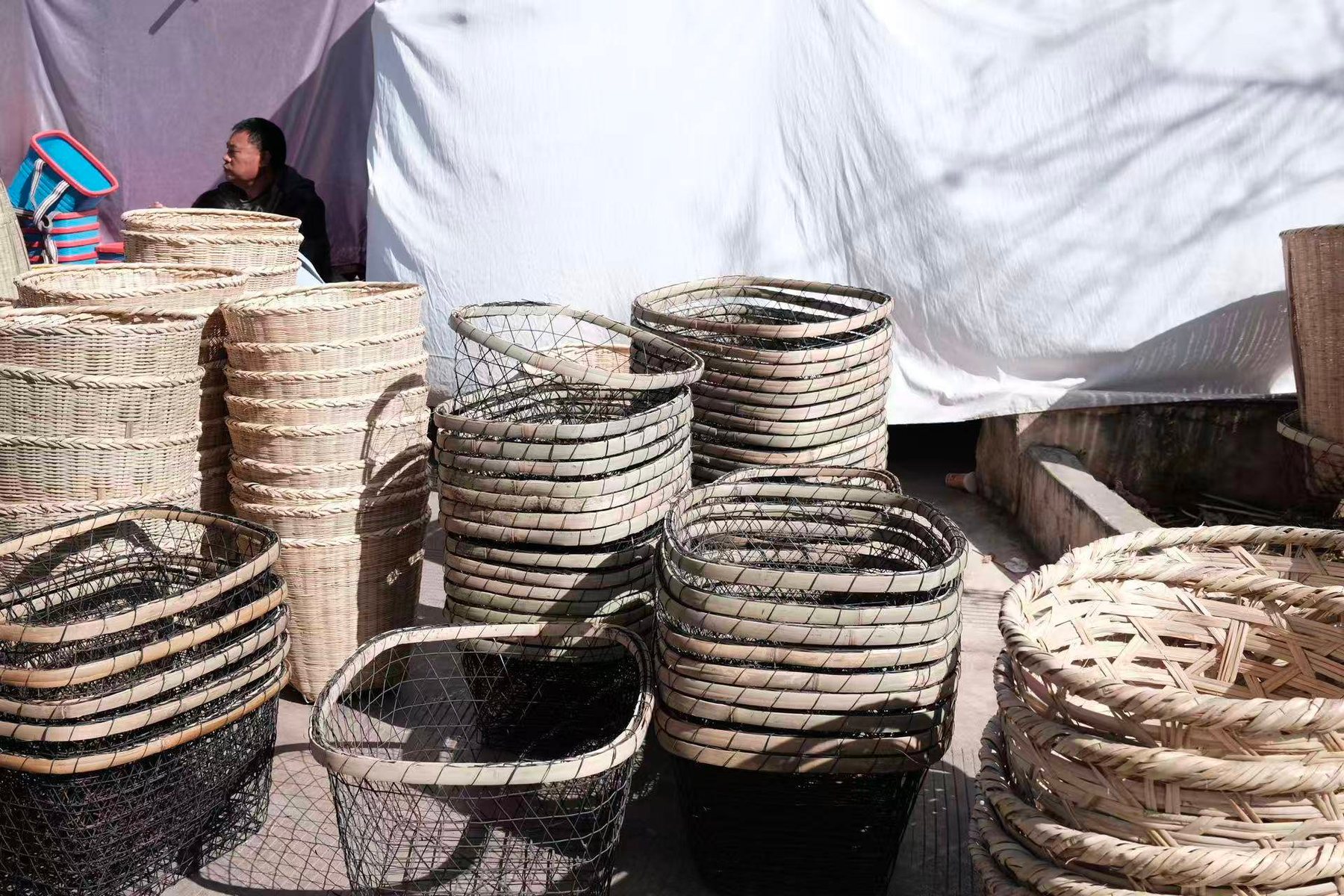
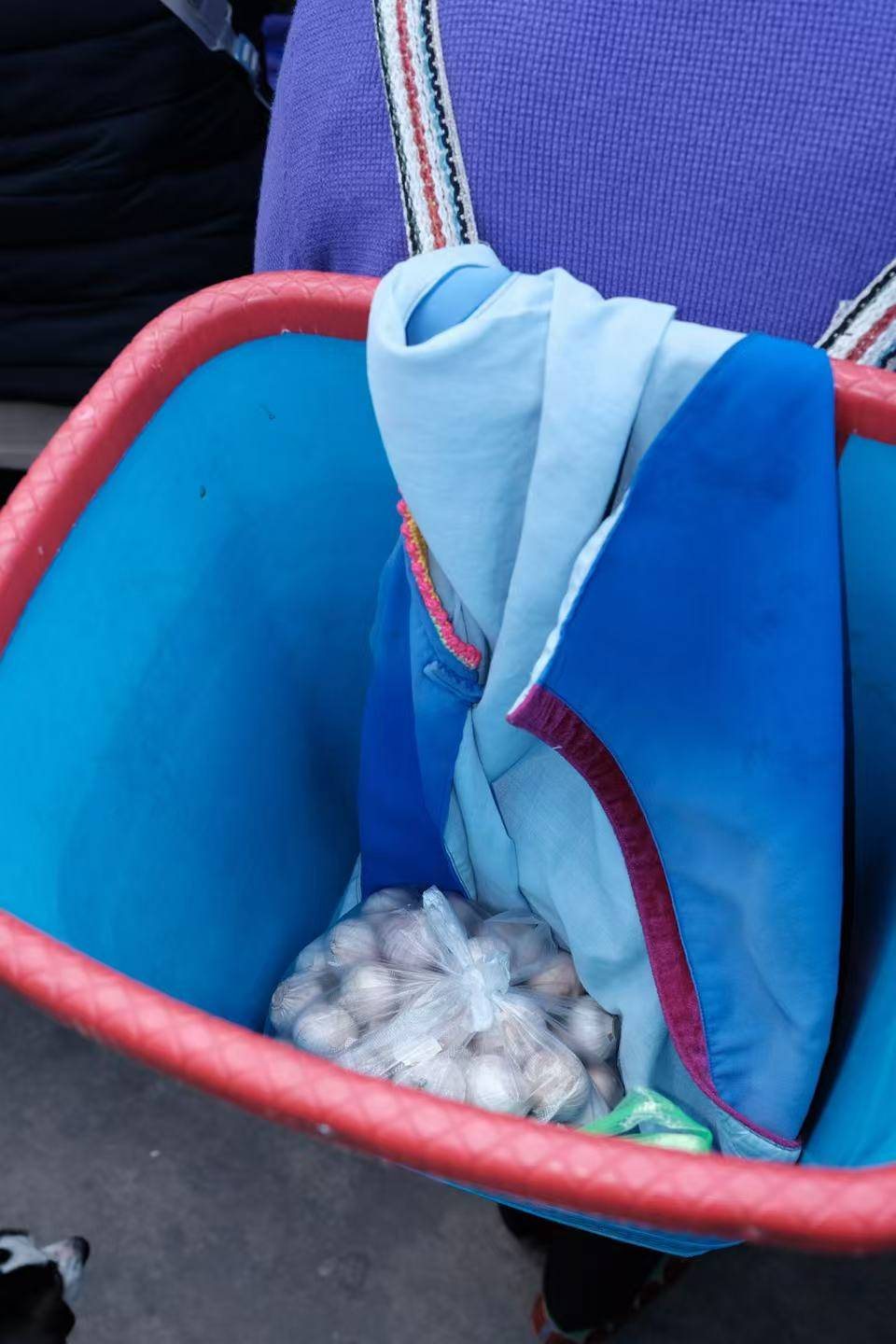
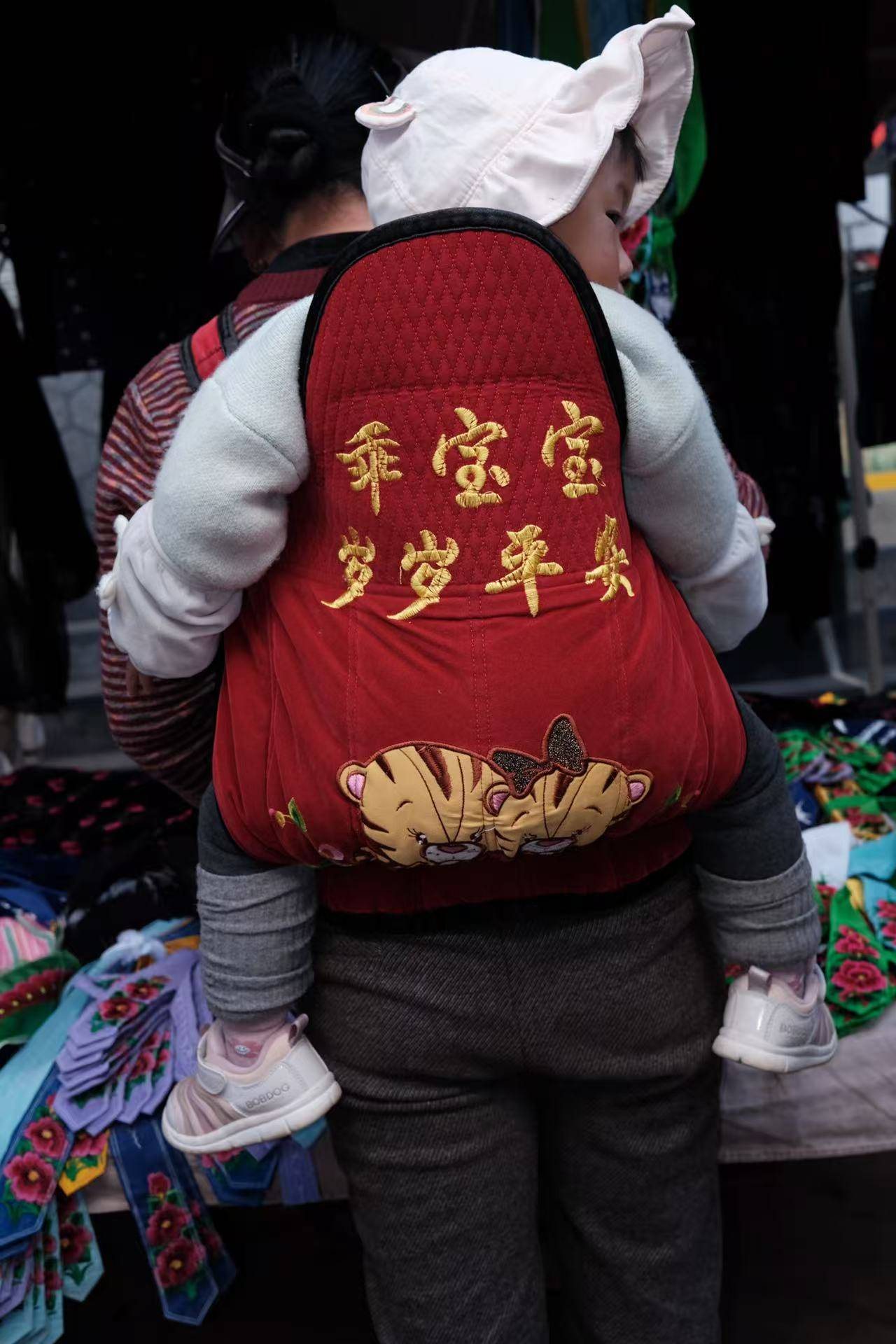
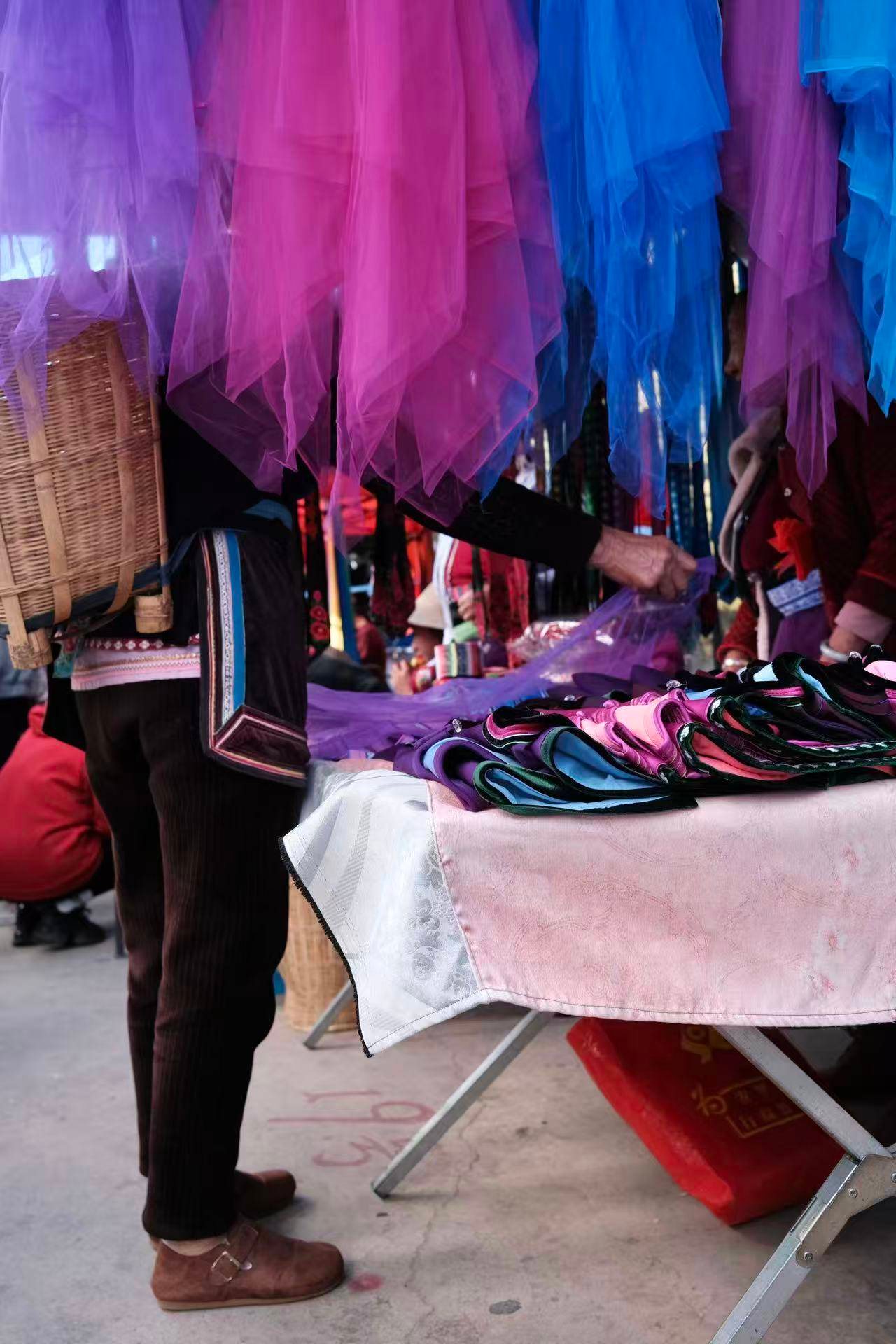
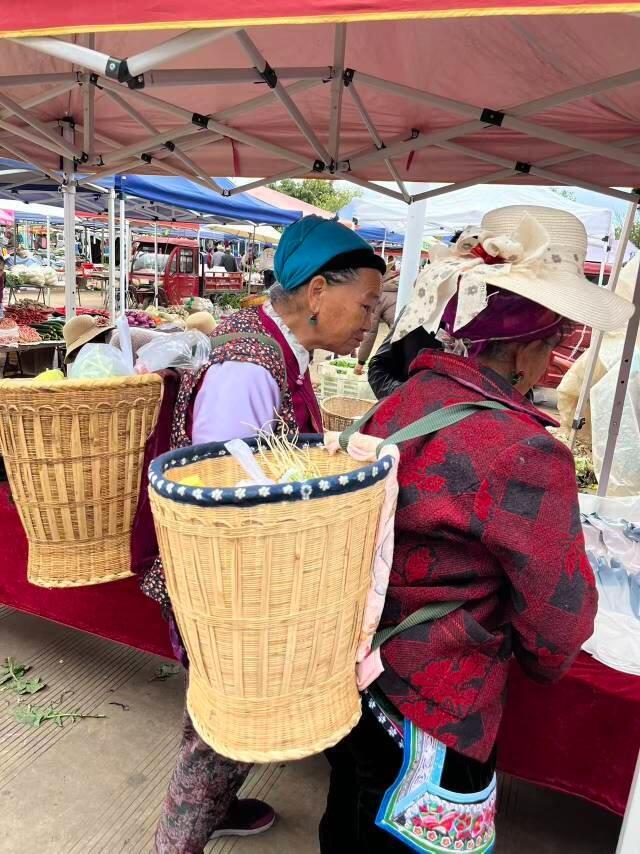
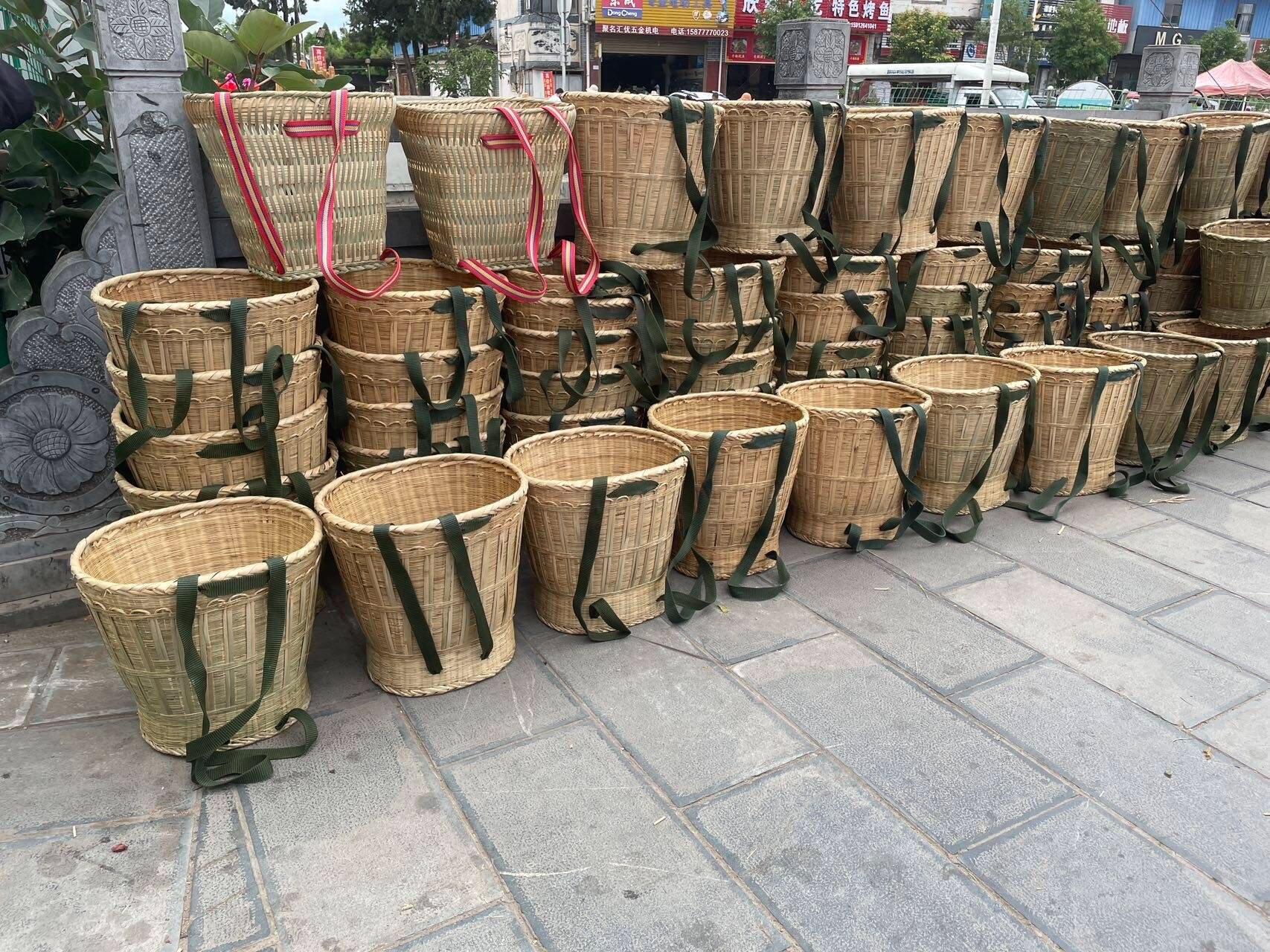
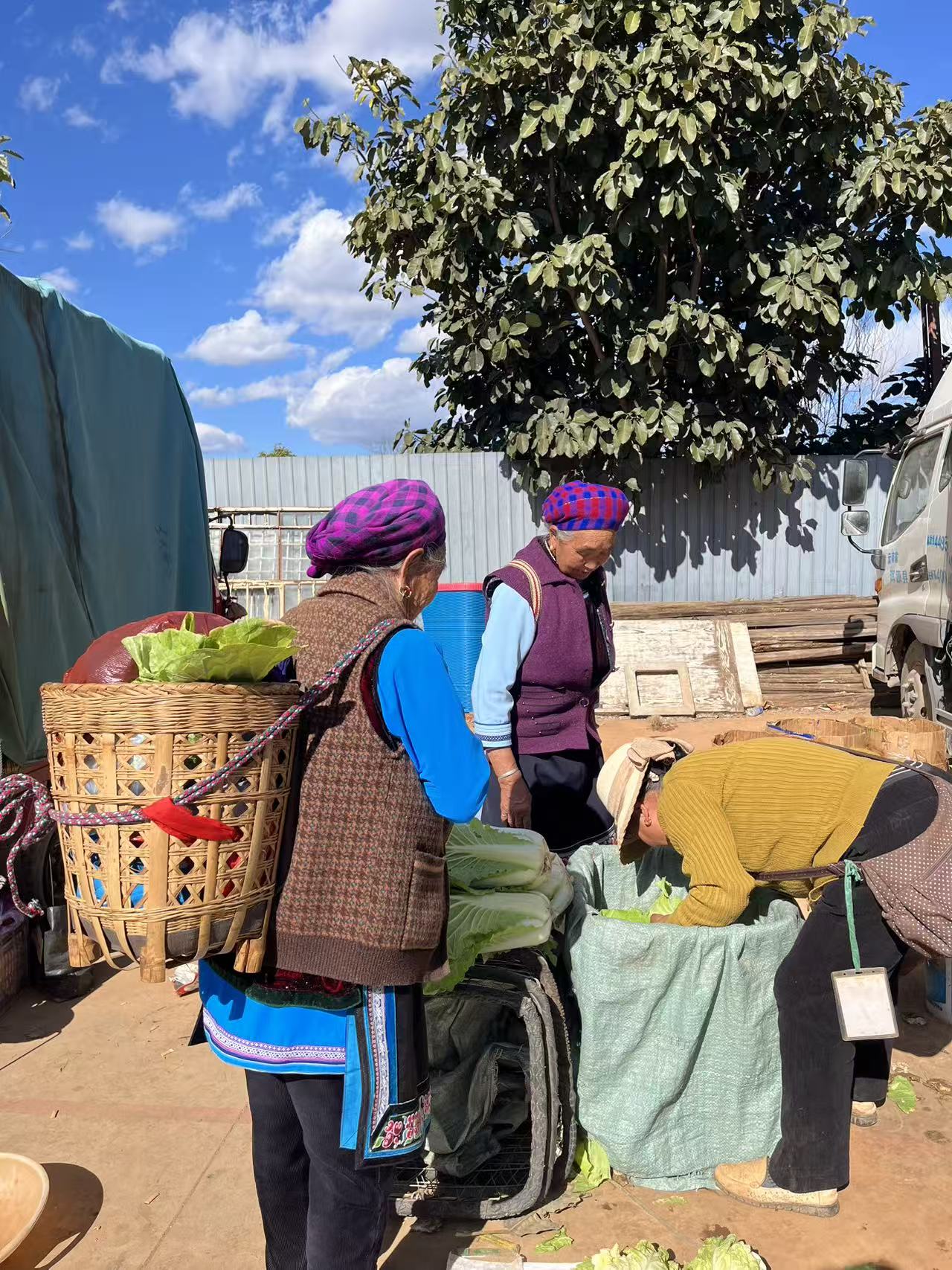
I have a vague memory of my mother carrying a bamboo basket on her back and taking me to 'Ganchang.'
After coming to Dali, I still love going to markets. It reminds me of life in the village when I was a child. Going to the market is perhaps the best entry point into local life.
The different markets around Dali all have their own character, even those near the ancient city.
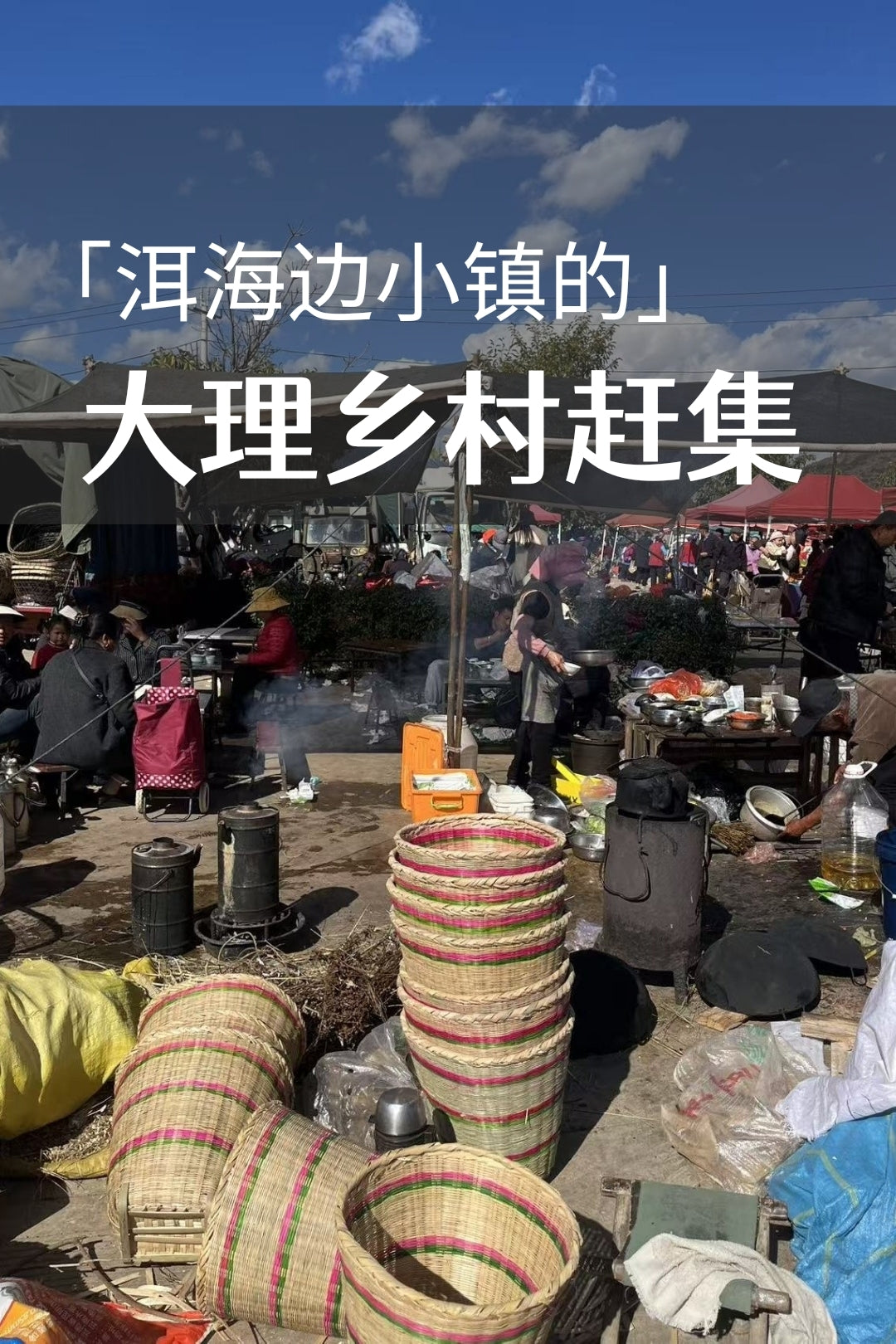
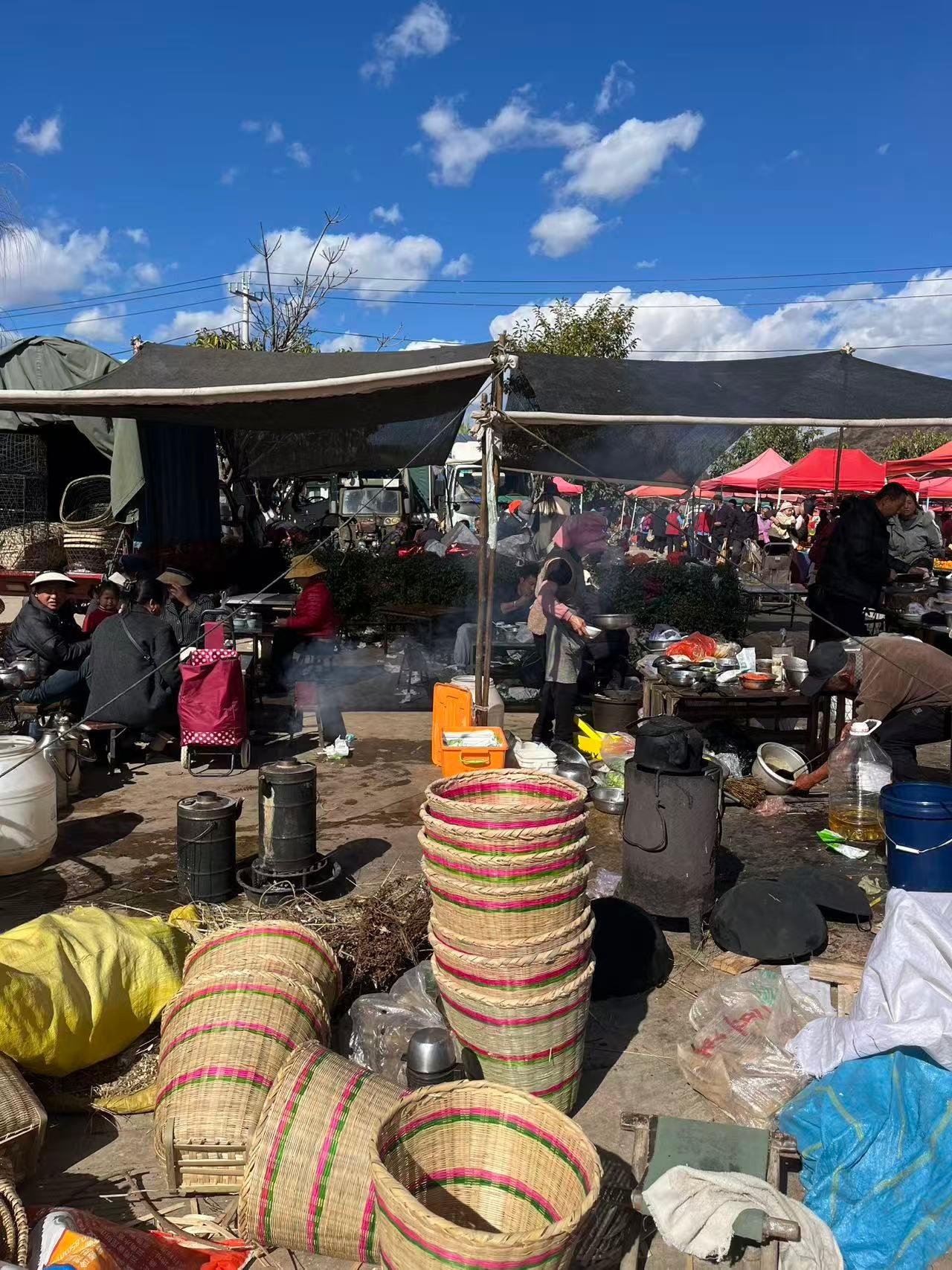
When we visit towns and villages in Yunnan, our travels revolve around different forests and local markets. Yunnan people call markets 'Jiezitian' (market days). From the name, it seems that on this day, everyone's life revolves around going to the market. It is a very important part of local residents' lives, carrying a periodic expectation.
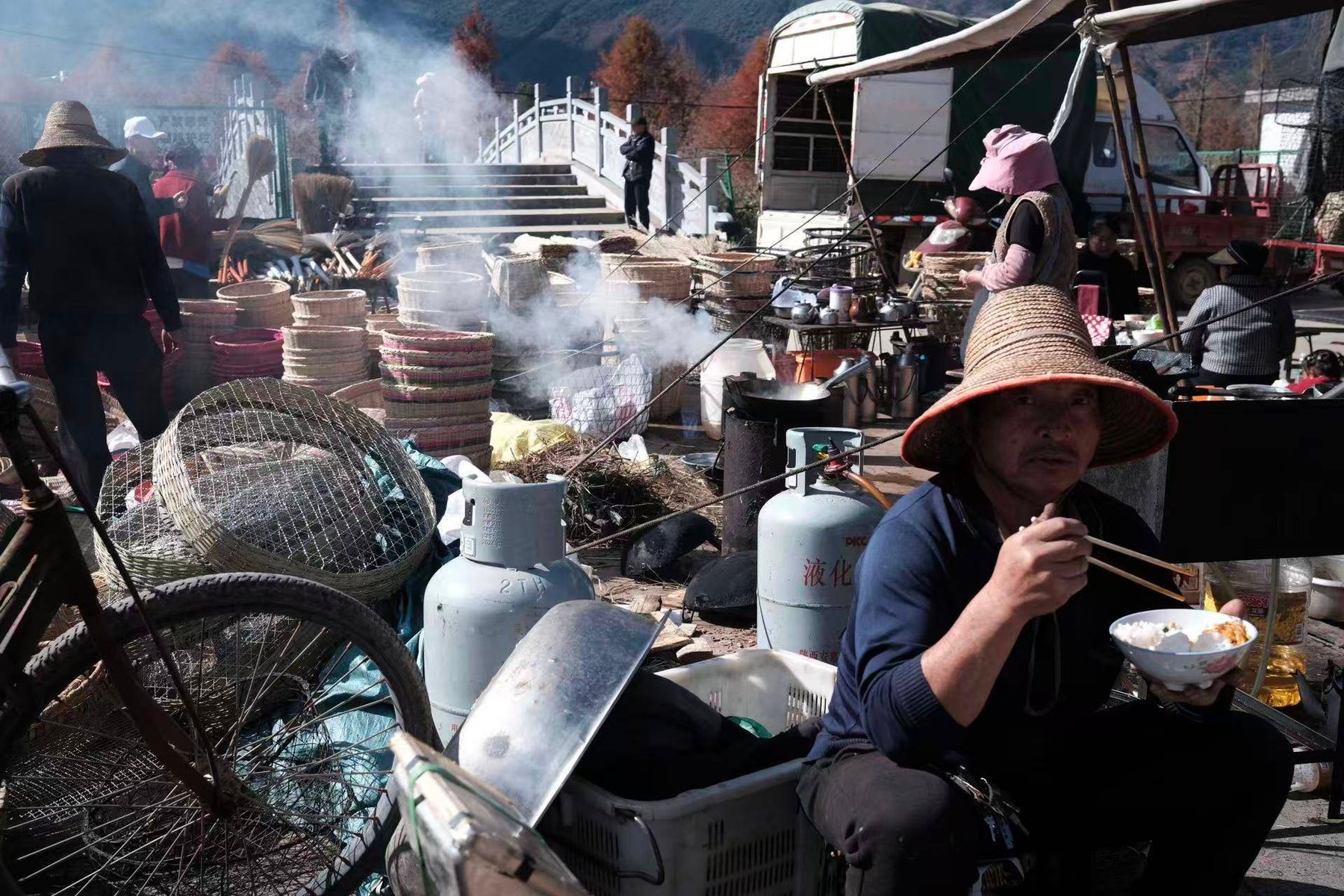
As long as you are not in a tourist area, the market is completely localized. There are almost no tourists; the people coming are all from nearby mountain villages. Because there are no communities or developed neighborhoods, daily necessities cannot be bought at any time, so these fixed markets provide what families need.
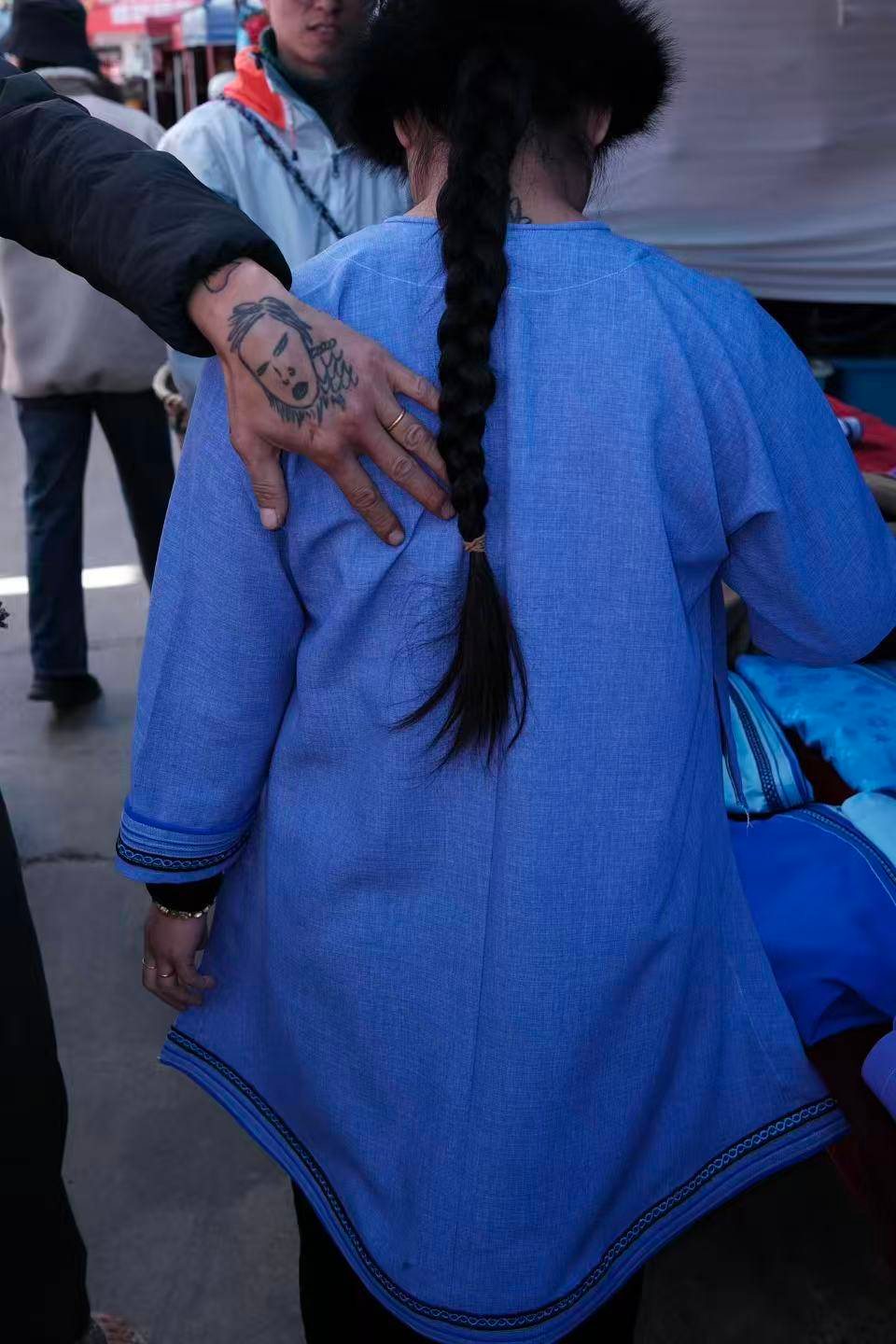
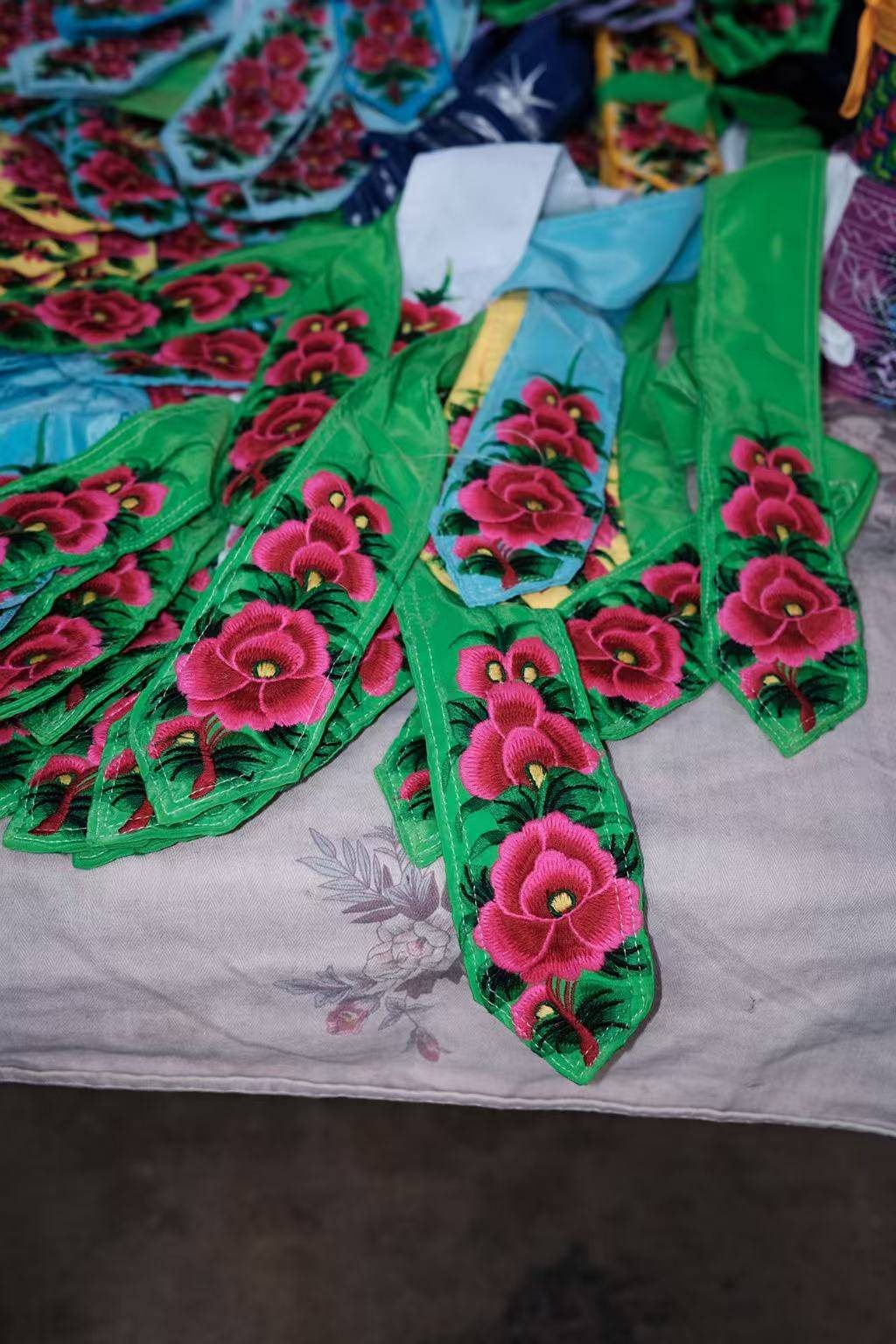
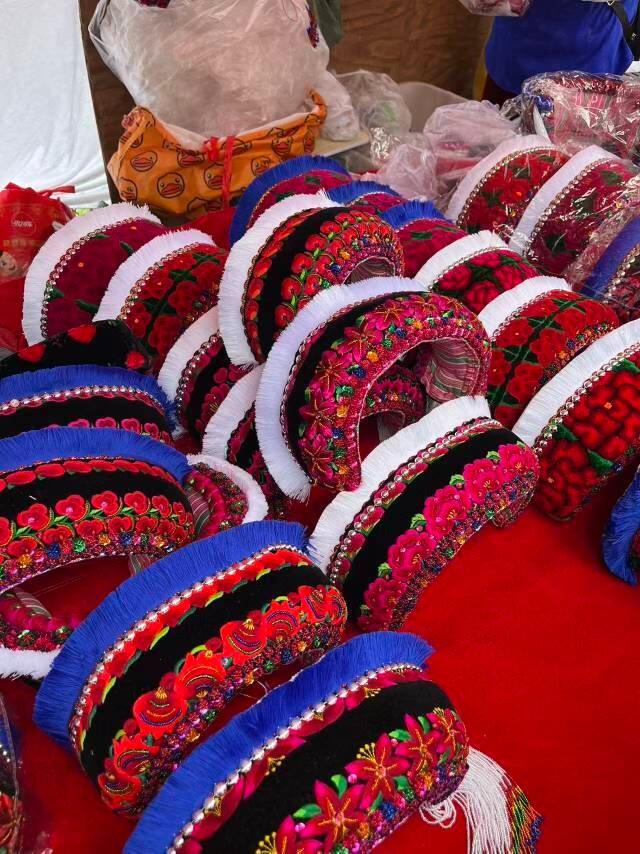
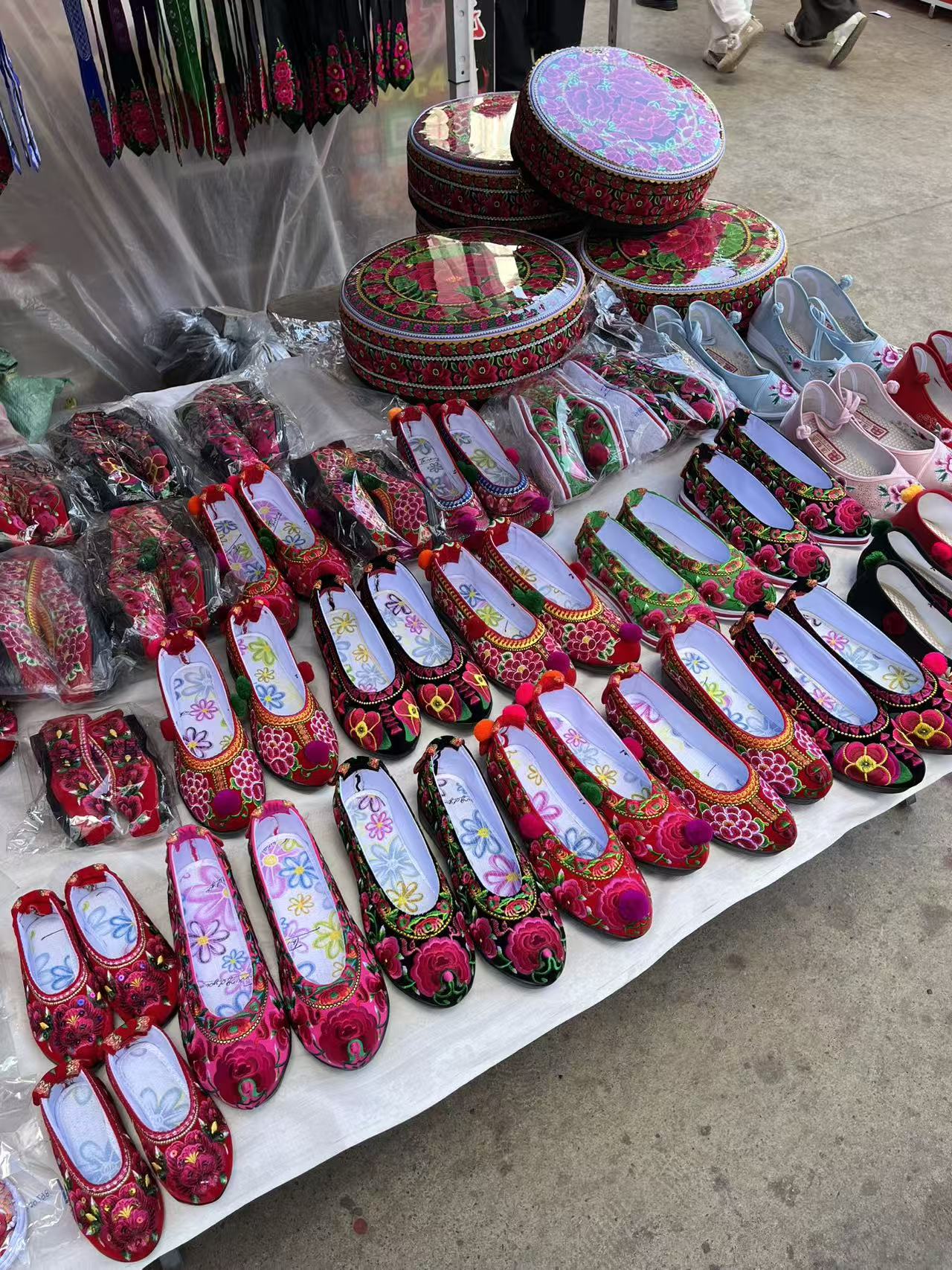
Different villages grow different fruits and vegetables, so the market offers various ways of eating them. Different market habits lead to different clothes and accessories.
Dali's bean jelly turns into gray chickpea jelly in Fengyu, mixed with bean dregs, chili peanuts, and eaten together. You can also add rice noodles or noodles if you like. The fermented soybeans in Miaoshan are famous, so the streets are full of seasoning makers, with the 'dong dong dong' sound of chili-grinding machines rising and falling.
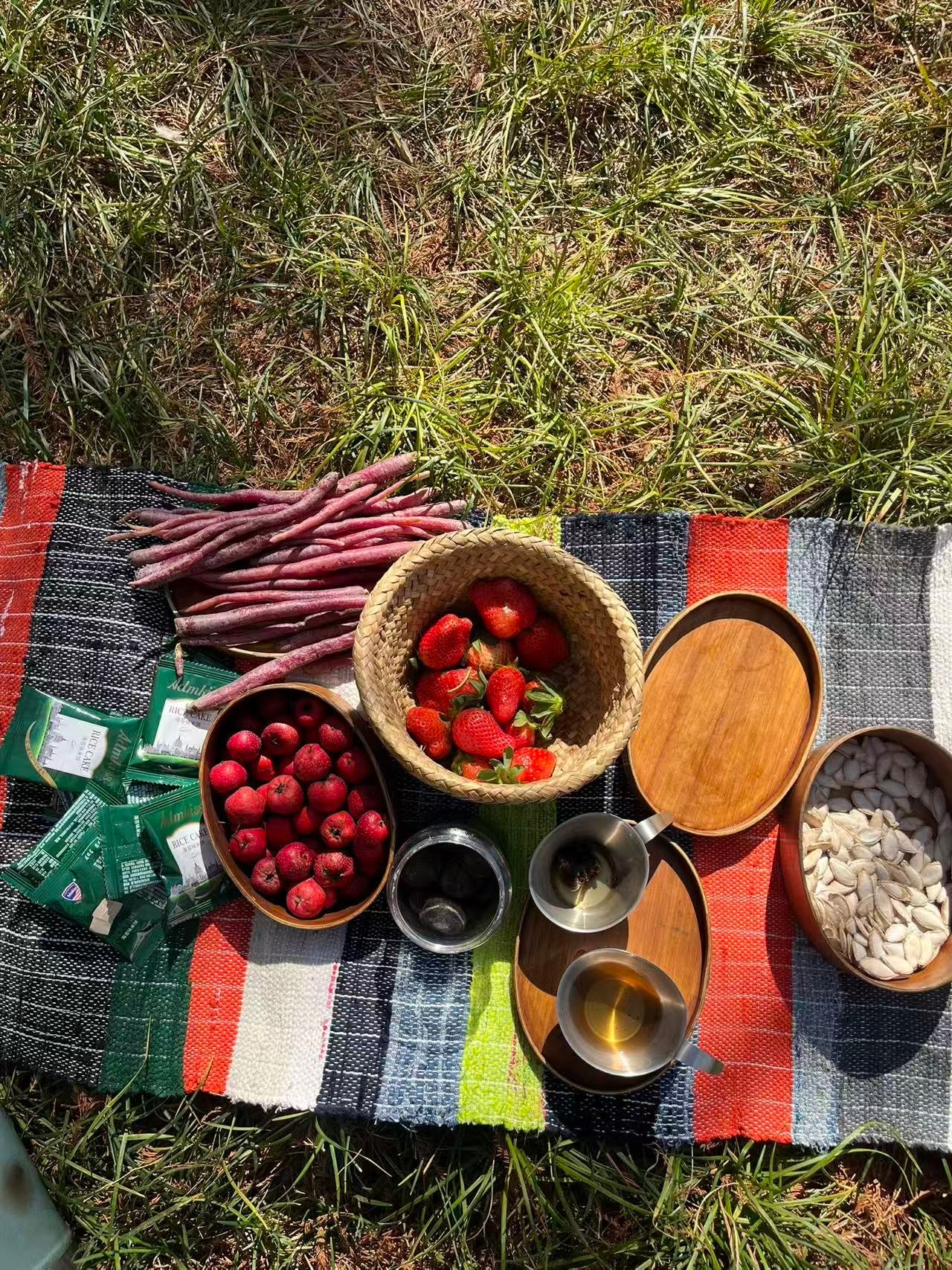
The market has its own musical rhythm, very lovely. At the market in Shangguan, I saw potatoes the color of purple sweet potatoes. Although they taste the same when cooked, they are really beautiful. American ginseng is also grown in the villages around Shangguan.
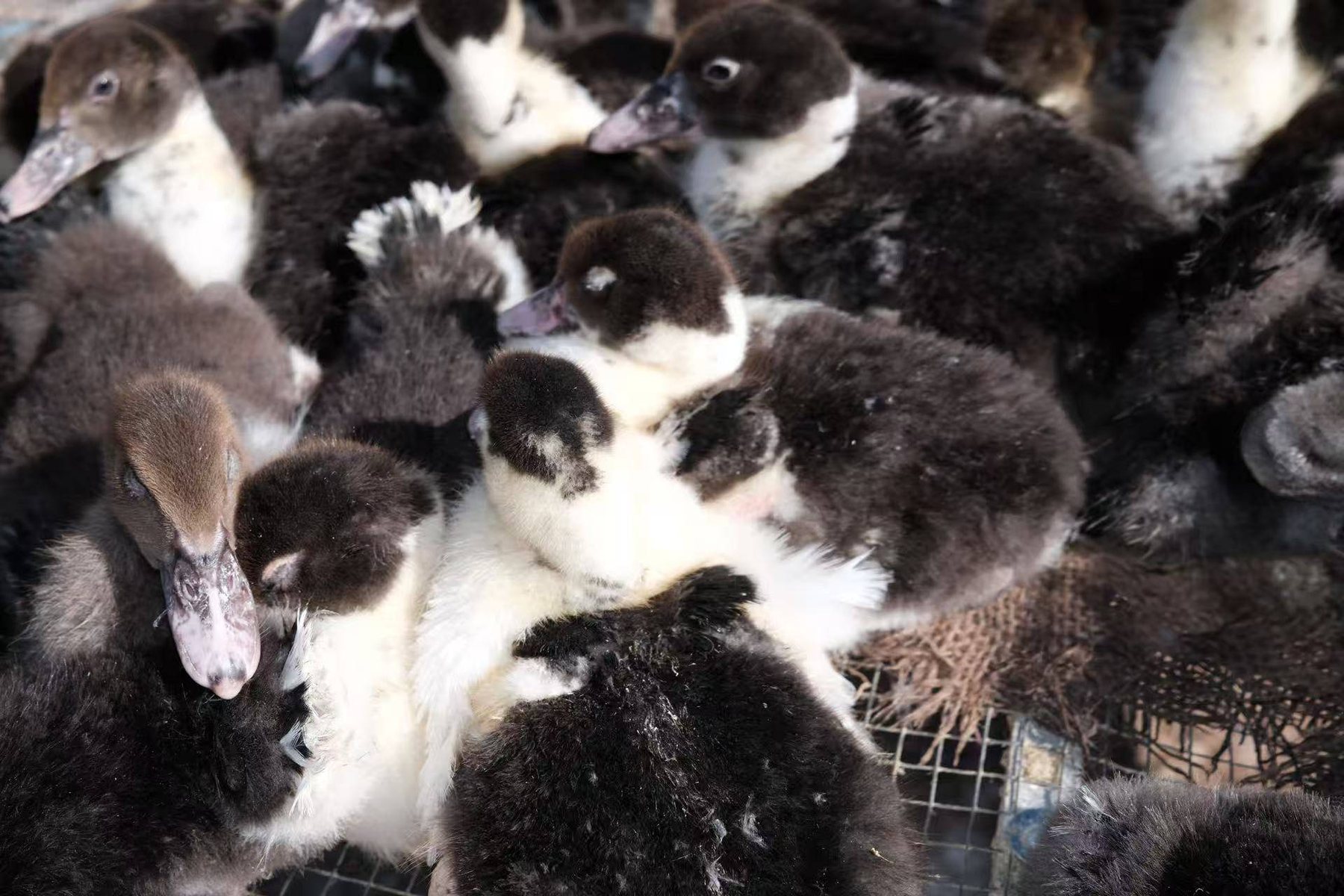
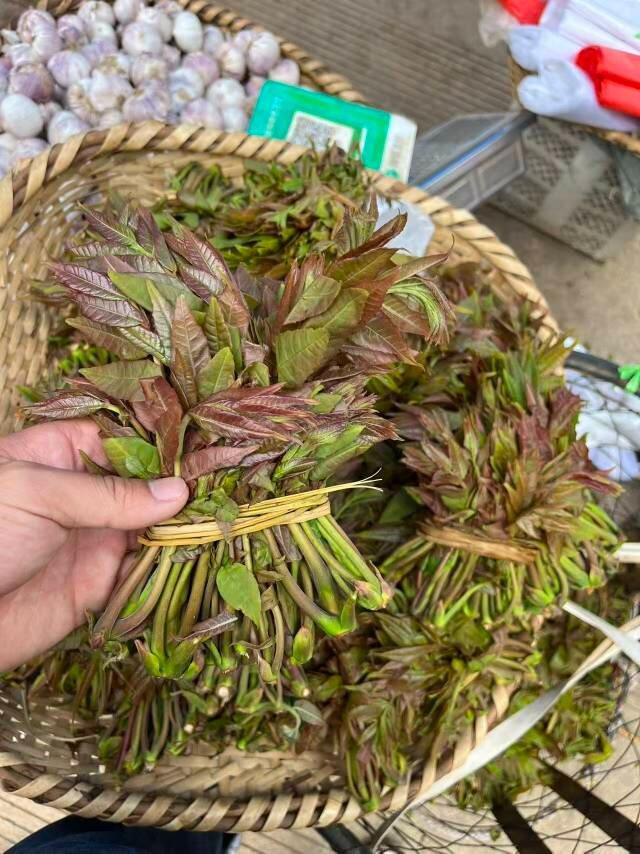
Besides seasonal vegetables and fruits, there are also interesting mountain products: various ferns and medicinal herbs. I recognize many medicinal plants from books when I see them in the mountains, but only when I see them dried and bundled like vegetables at the market, and local grandmothers tell you, 'Brew it for tea, it cools the body,' or 'Boil it in water for headaches,' do they feel connected to you and your life.
— Li Zhenhao
Why go to the market?
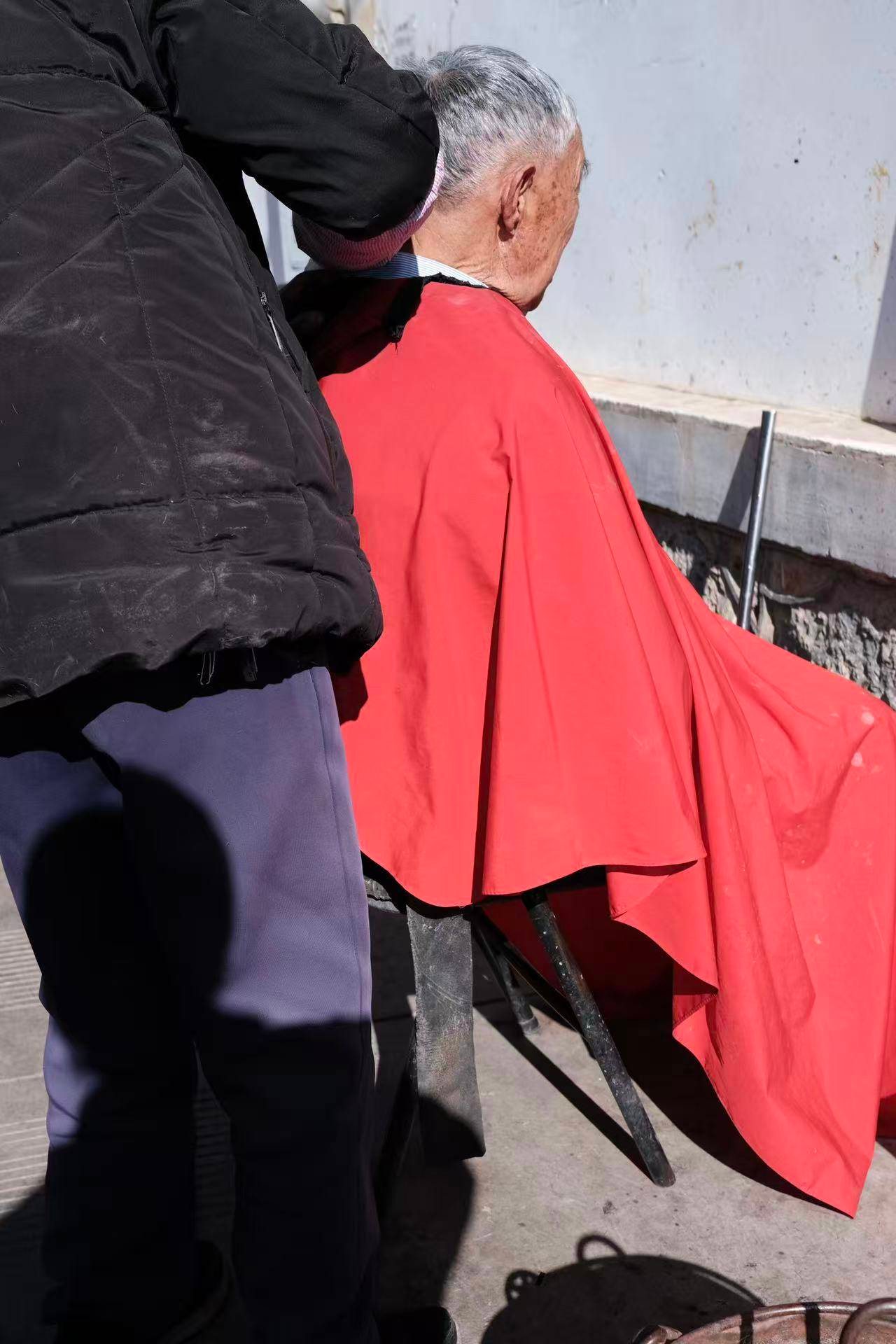
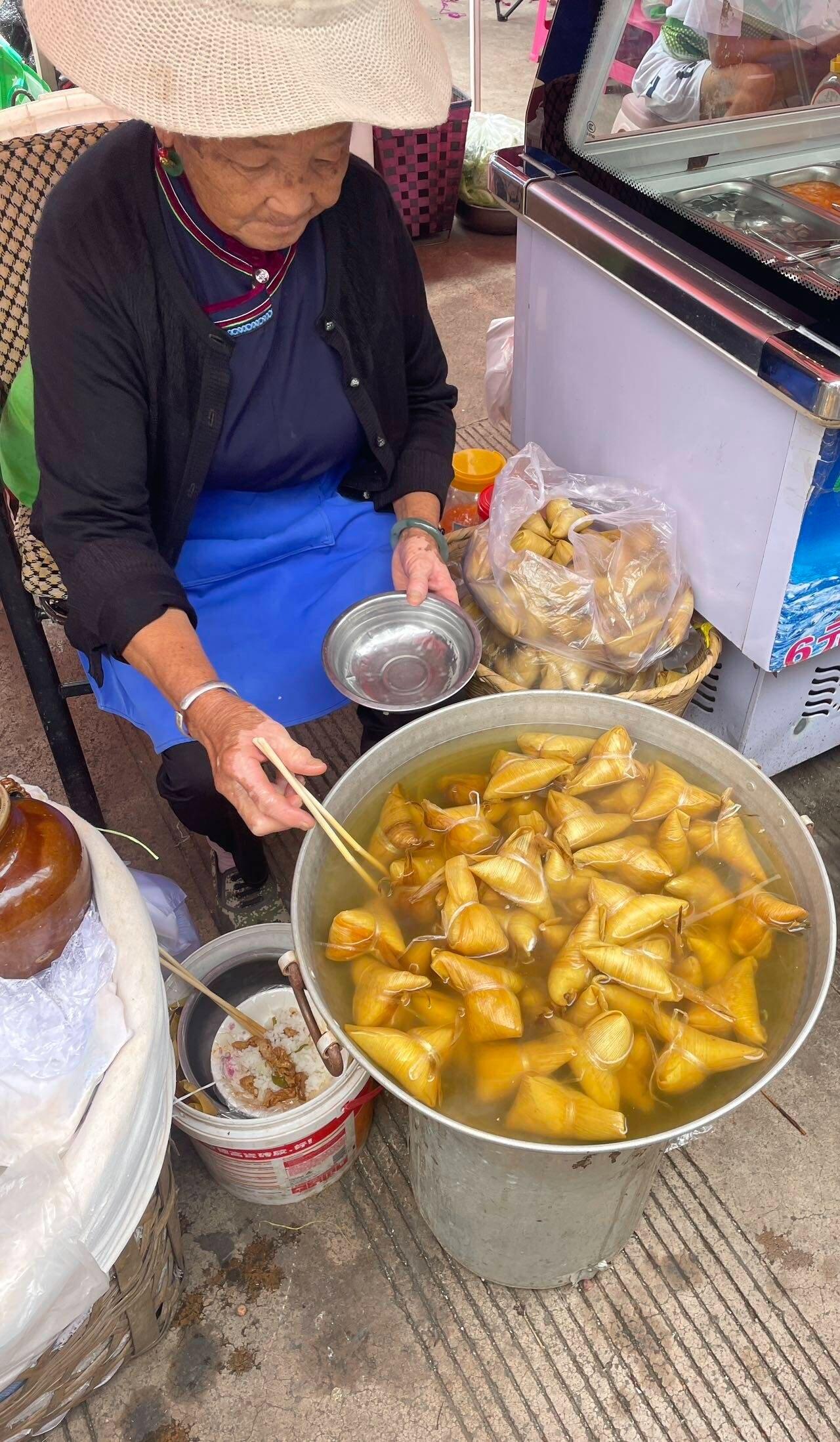
Going to the market lets you experience real local life: what they grow in the fields, what crafts the aunties make, what the mountain people gather, what they wear daily, and what they eat at the market.
In Dali, from Monday to Sunday, there are markets every day in different counties and towns. You can buy very local food, clothing, and specialties. Everyone you meet is a local.
The market is not prepared for our arrival; it only happens on a fixed day each week. So each time you go, you encounter different people and seasonal products that are only available at that time. You see the real life of locals, which is also what our guides enjoy. Even without guests, we would go there ourselves.
Due to modern transportation and lifestyle evolution, such traditional markets are becoming rarer, and they may gradually disappear over time. So I really want to see more of them. Like the nature of Cangshan, the products at the market change with the seasons, bringing fun and rewards every time.
Jiangwei
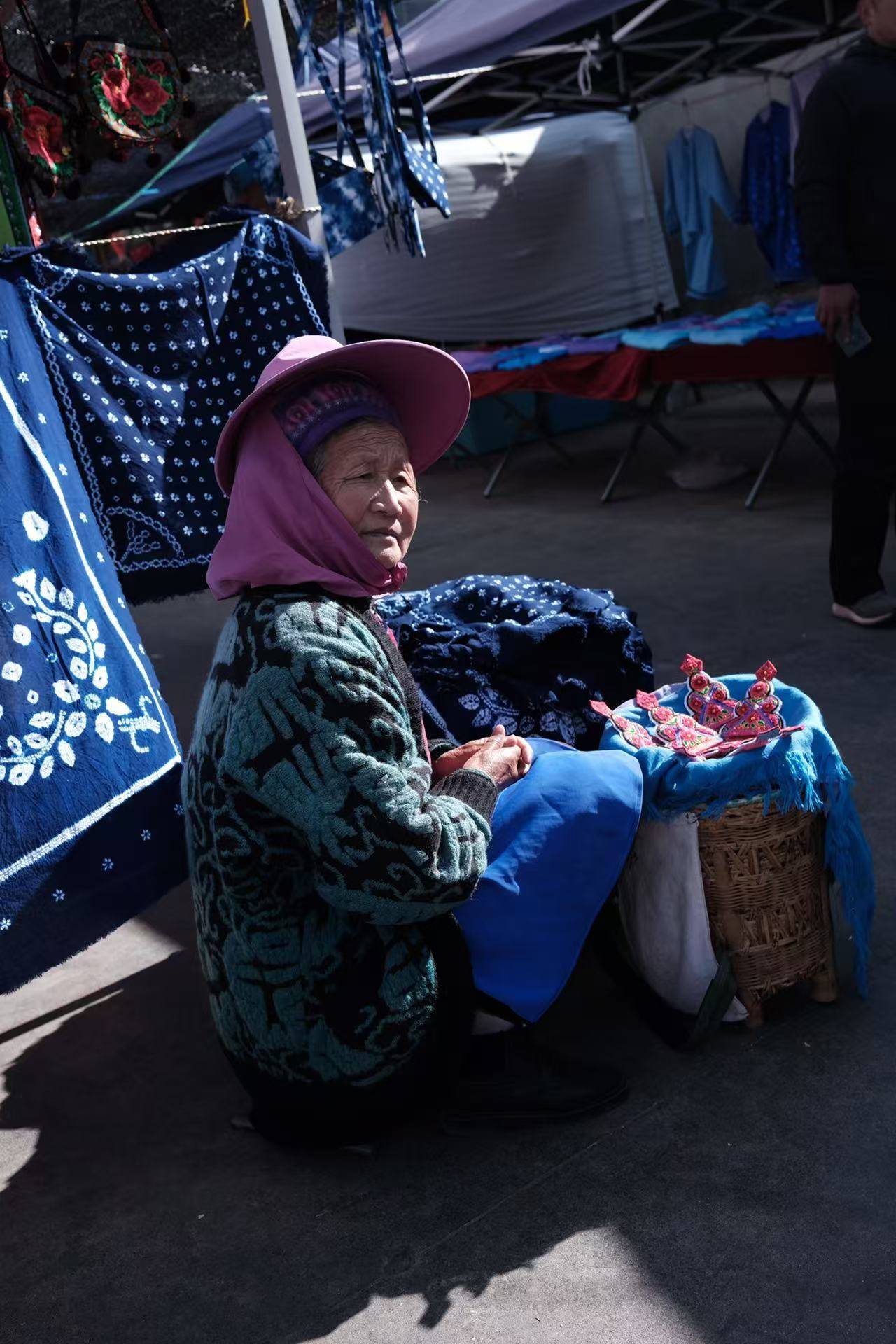
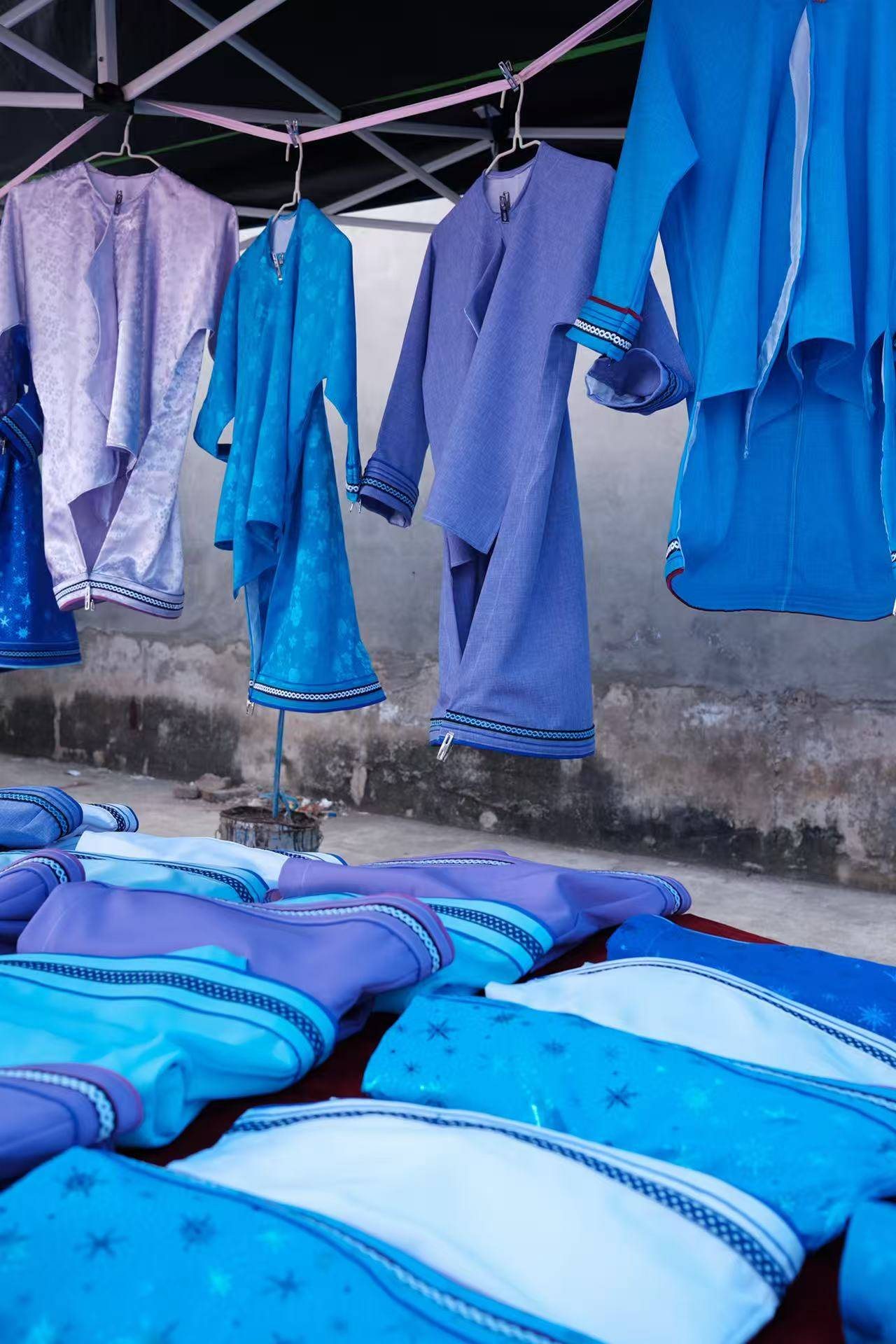
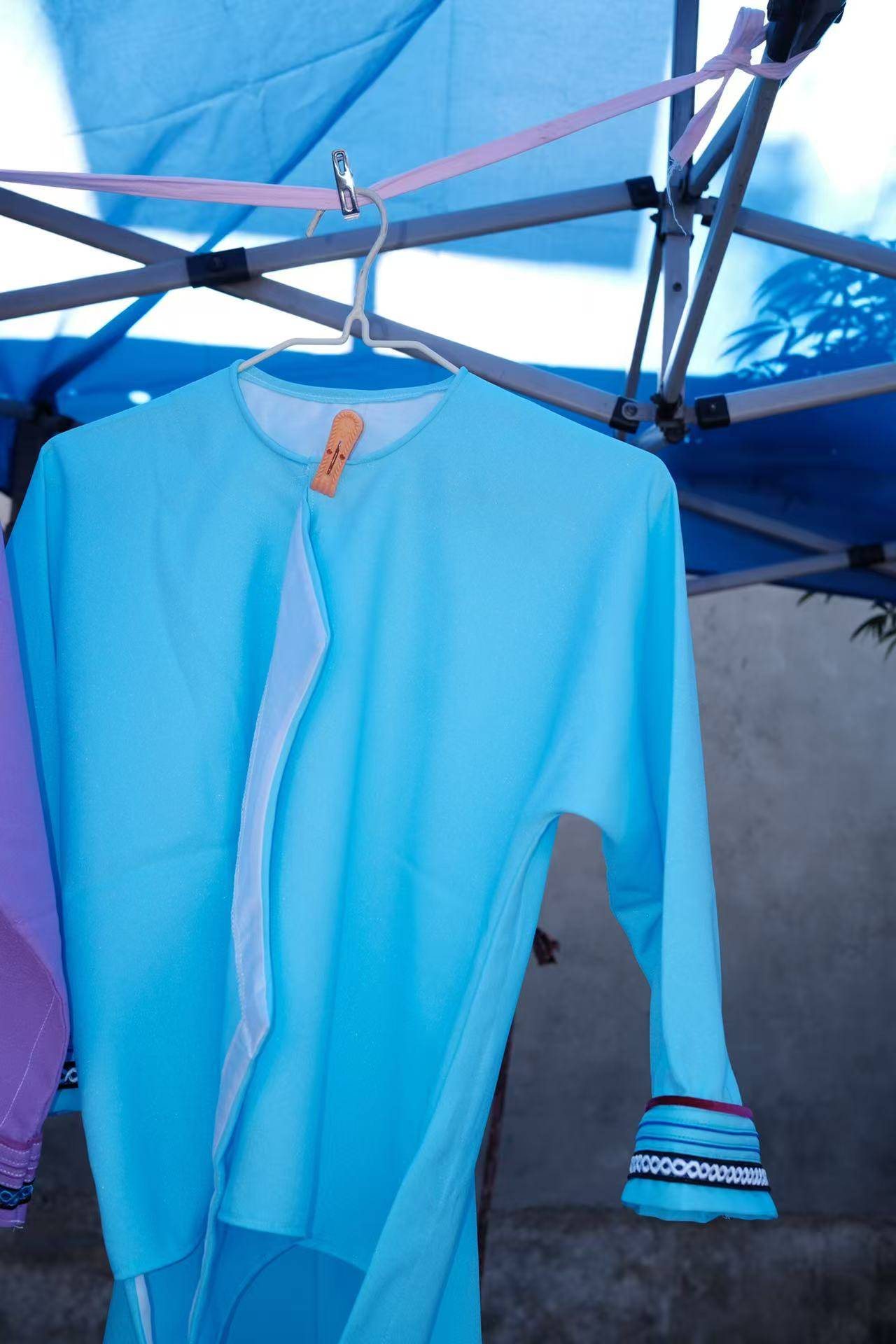
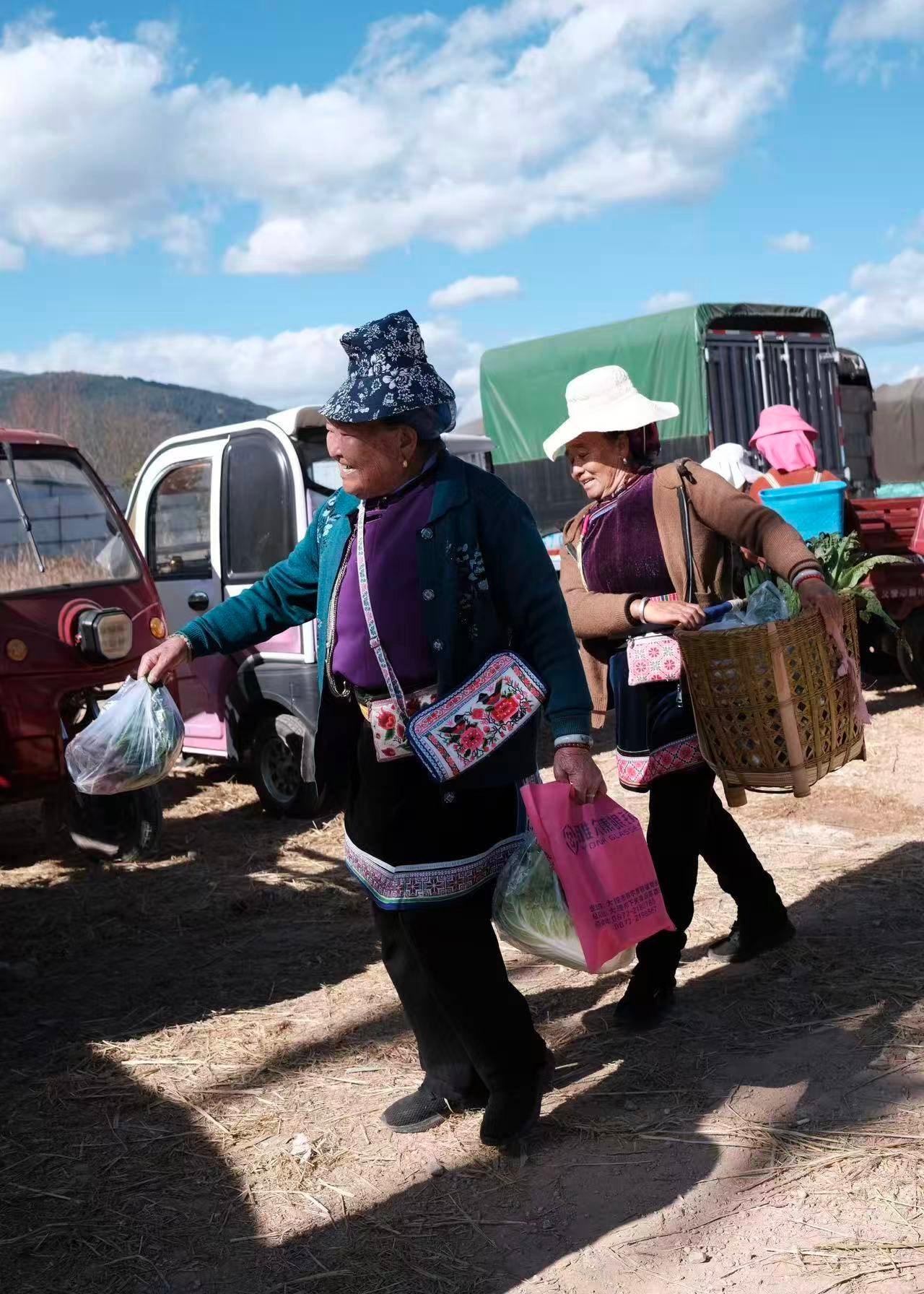
Natural and simple: Compared to the increasingly touristy markets near the ancient city, this one is full of locals, with a rustic and relaxed atmosphere and a leisurely pace. The Bai ethnic clothing and accessories here are rich and beautiful, with some new colors and designs. If you happen to want to buy some, it's perfect — good-looking and practical.
Convenient distance: 35 km from the ancient city, reachable in 45 minutes.
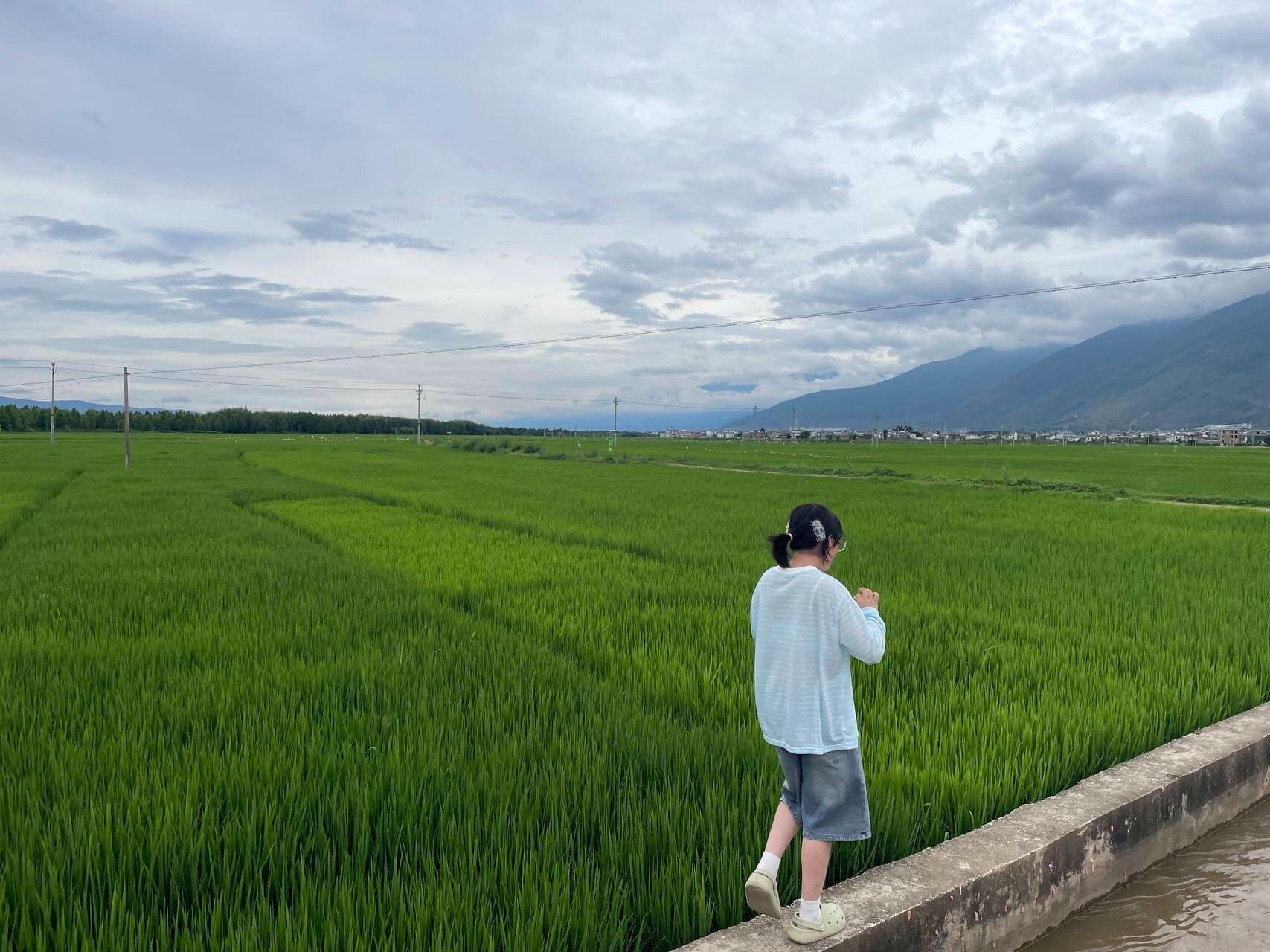
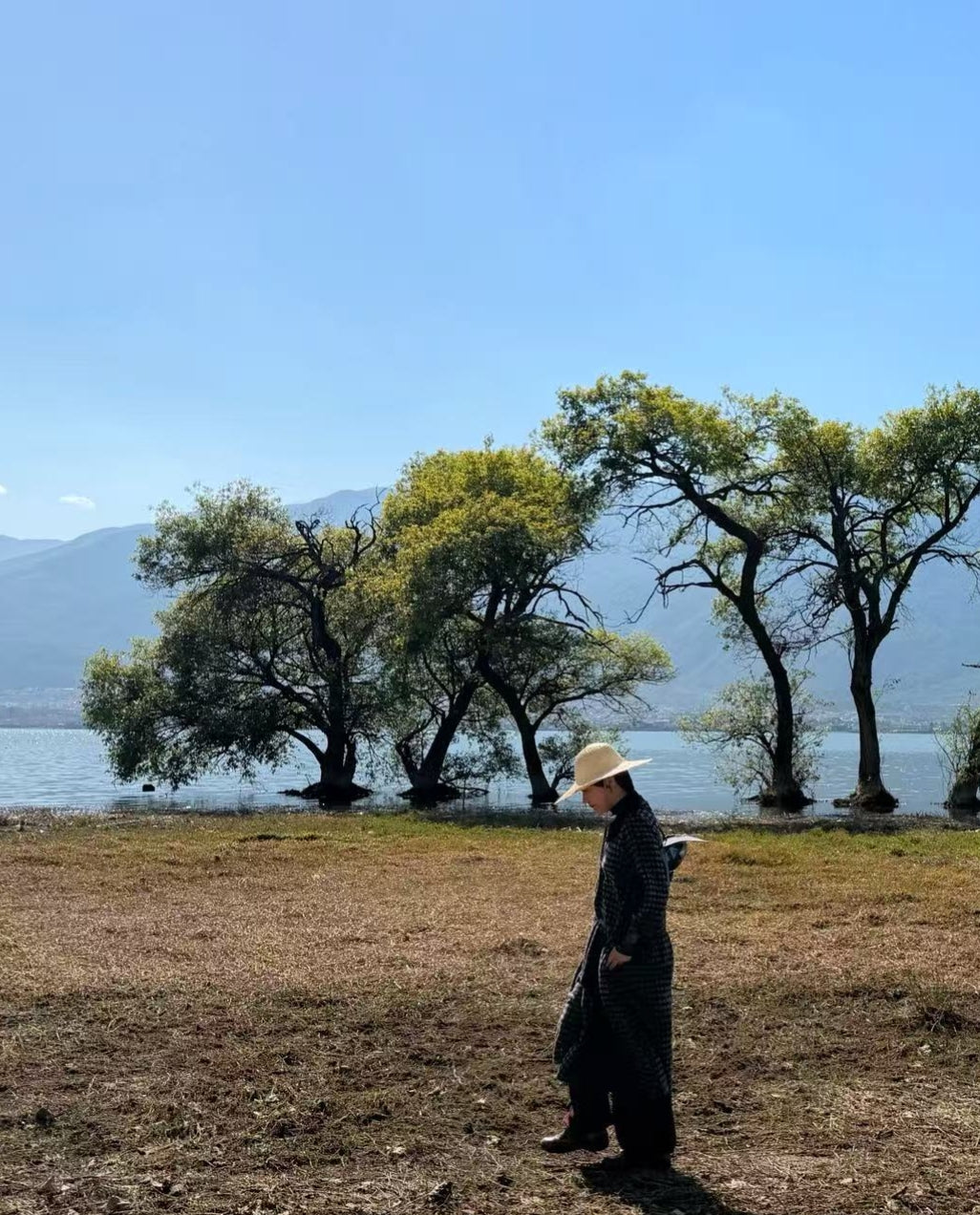
Beautiful scenery: Just a few steps from the market flows the thousand-year-old Miju River. Without any buildings blocking the view, you can appreciate the serene atmosphere of the villages and fields under the majestic Cangshan. After the market, take a stroll along the Miju River toward the nearby villages. At this time, what moves me most are the aunties returning to their villages after the market: dressed in traditional Bai costumes, carrying baskets and chatting — a particularly beautiful scene.
With us
The market is full of goods you never see in modern cities — not only the items themselves but also stories about local customs and products. Our guides themselves know about mountain products, plants, and herbs, and often need to buy some. In this process, you can learn about different knowledge and the stories behind the products. It's easy to overlook things when you're just skimming, but it becomes vivid, and unknowingly, you feel connected to the land and the people here.
Schedule:
Destination: Jiangwei (35 km from the ancient city, 45-minute drive)
Departure: 10:00 AM
Return to Dali Ancient City: 3:30 PM
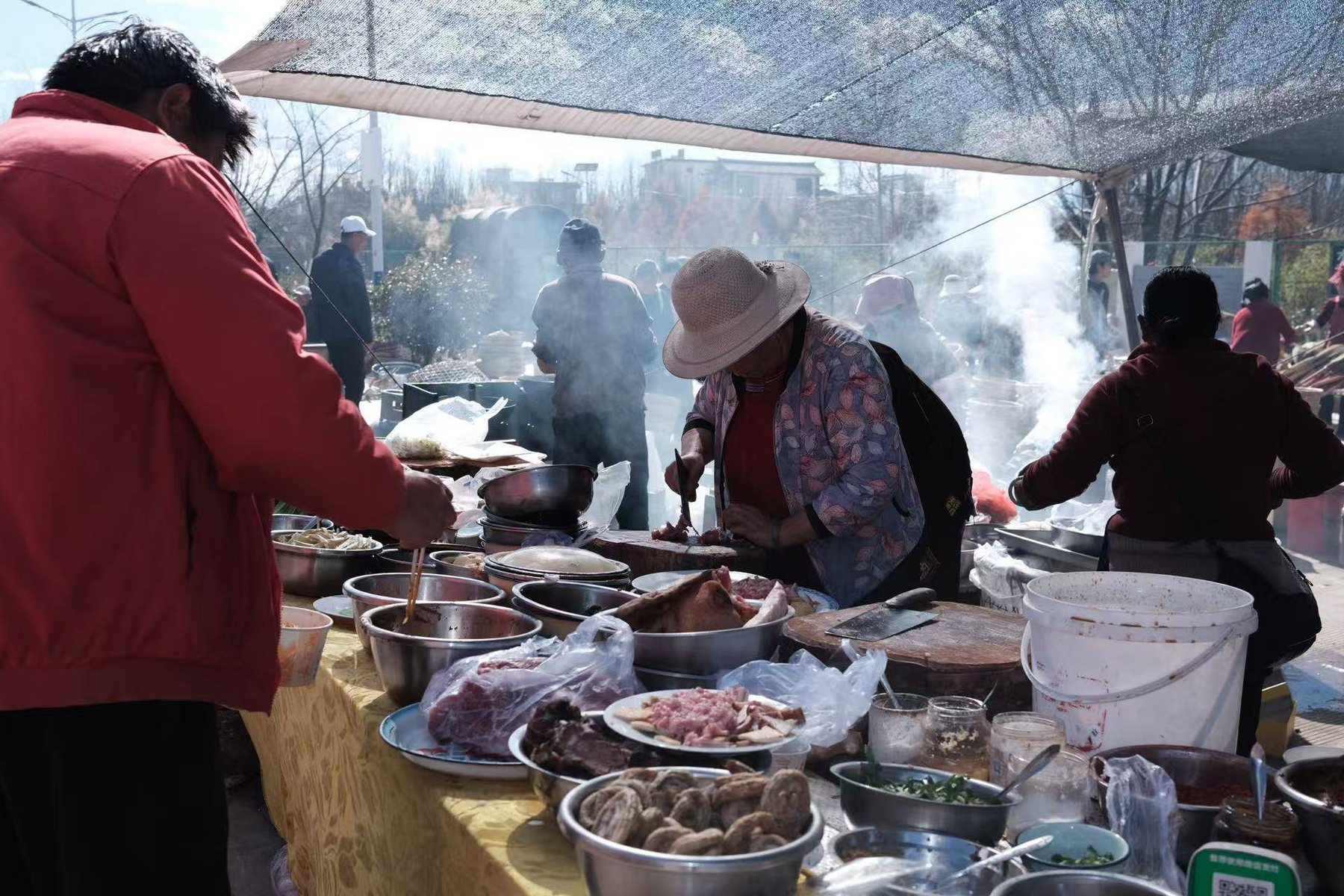
Lunch: We eat at the market (AA: 30-40 yuan per person, affordable, you can order according to your preferences)
Photos