
Über diese Reise
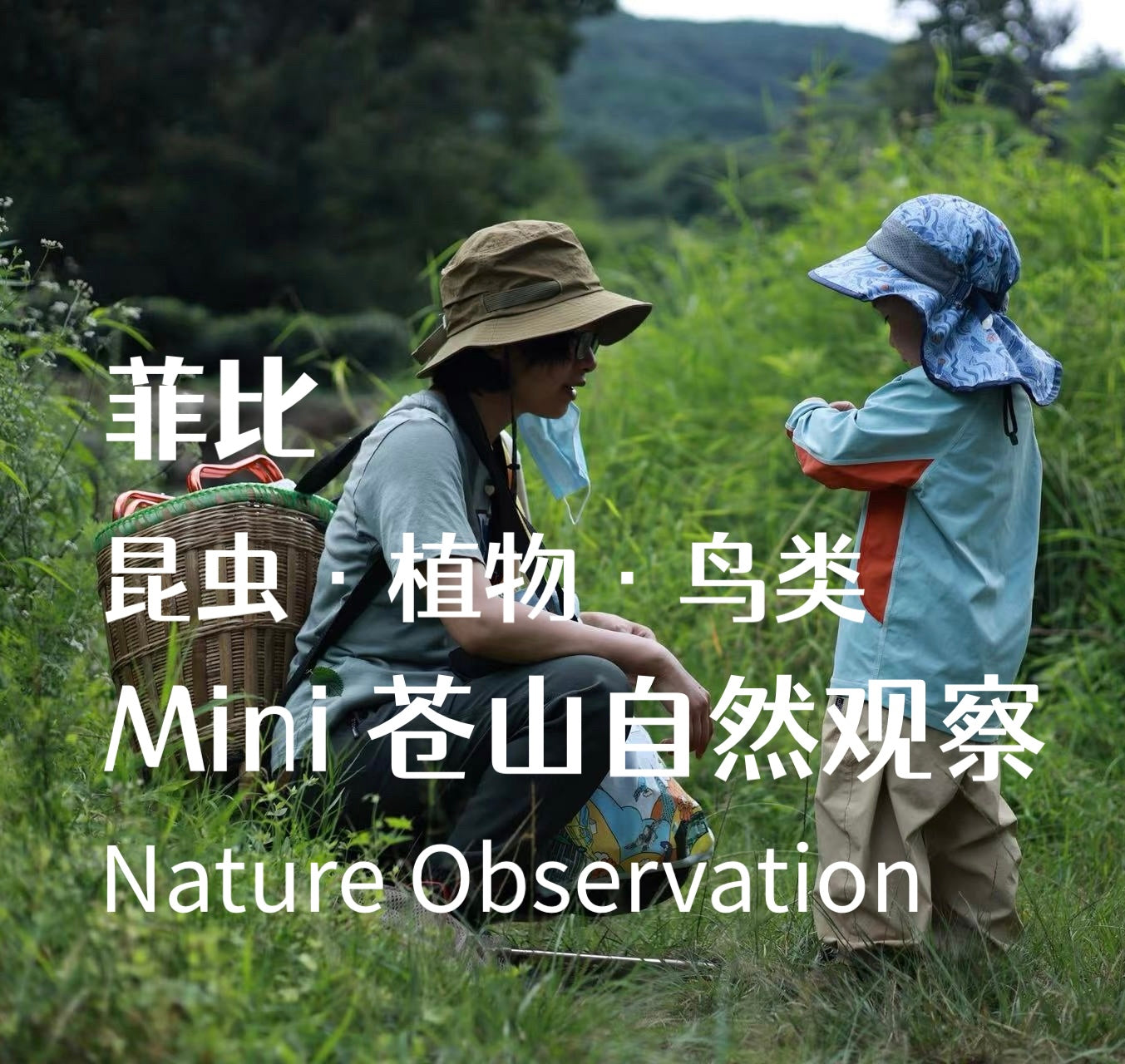
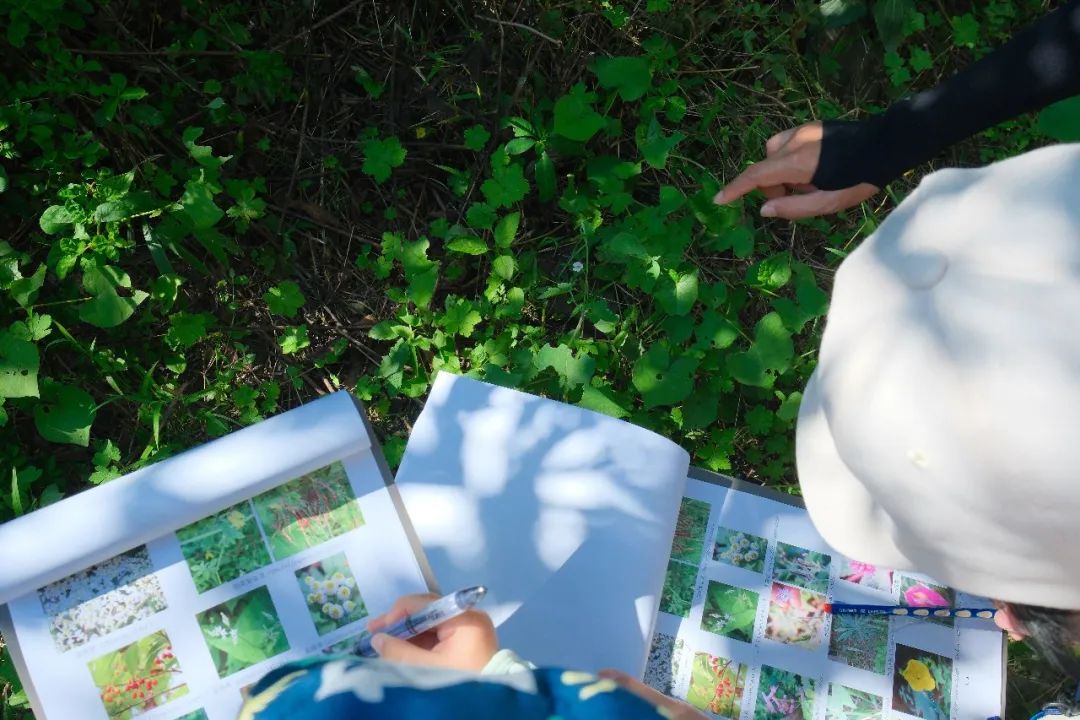
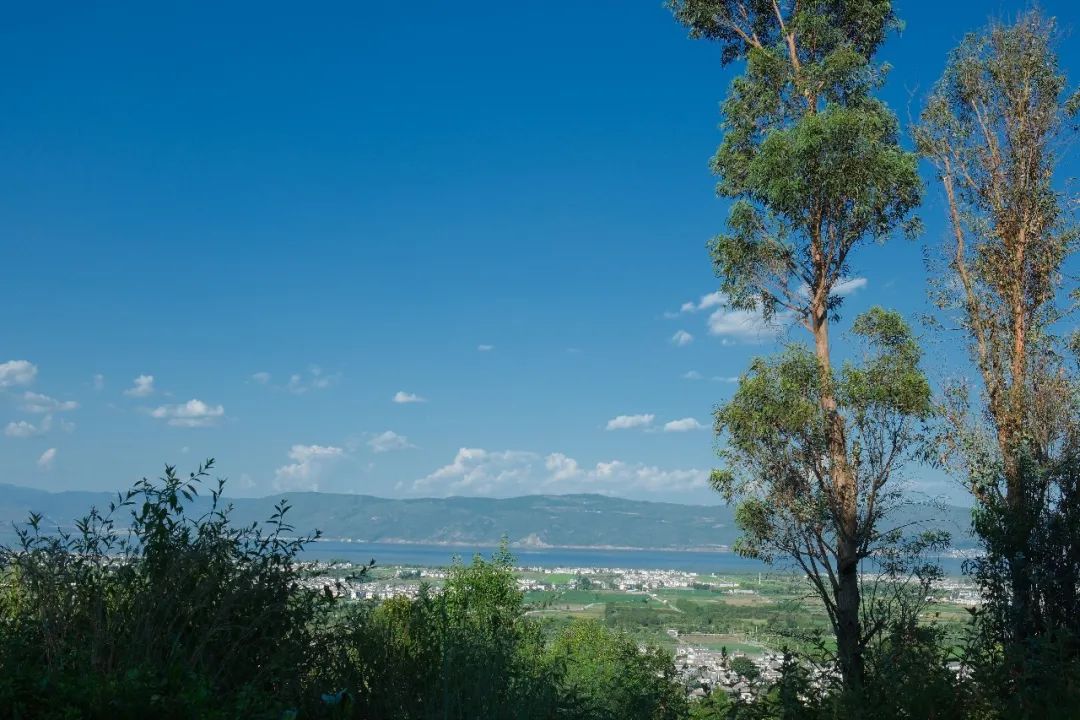
"This is an easy mini hiking route, about 2 kilometers long, with an elevation gain of about 100 meters. Suitable for all ages, from young children to the elderly. During the activity, we will walk through the fields at the foot of Cangshan Mountain, climb a small hill, and stop along the way to observe the rich and diverse animal and plant life in the area, and learn their interesting stories. This route offers expansive views, allowing you to enjoy close-up views of Cangshan Mountain while also overlooking Erhai Lake and the nearby villages."
Note: The activity is priced the same for adults and children. For one adult and one child, book 2 people.
About the leader Phoebe:
Freelance translator of English, Japanese, and French. Translated over twenty books and picture books including 'My Nature Playbook' (French), 'Exploring Space: My First Exploration Atlas' (English), 'Sustainable Good Living' (Japanese), etc. An enthusiast of art, humanities, and natural history. Started nature observation in 2015. Loved drawing since childhood, began keeping journals in 2016, and her journal sketches once appeared in 'City Pictorial'. Writes a public account "Phoebe's Roaming on Earth".
For a full list of her translations, see Phoebe's Douban page, ID: oldphoebe
Jason | The Phoebe I Know
About the Activity:
Distance: 2 km round trip. Includes gentle slopes, elevation gain about 100 meters.
Time: 14:30 - 18:00 (start time is not fixed, varies with season and sunset time, later in summer, earlier in winter)
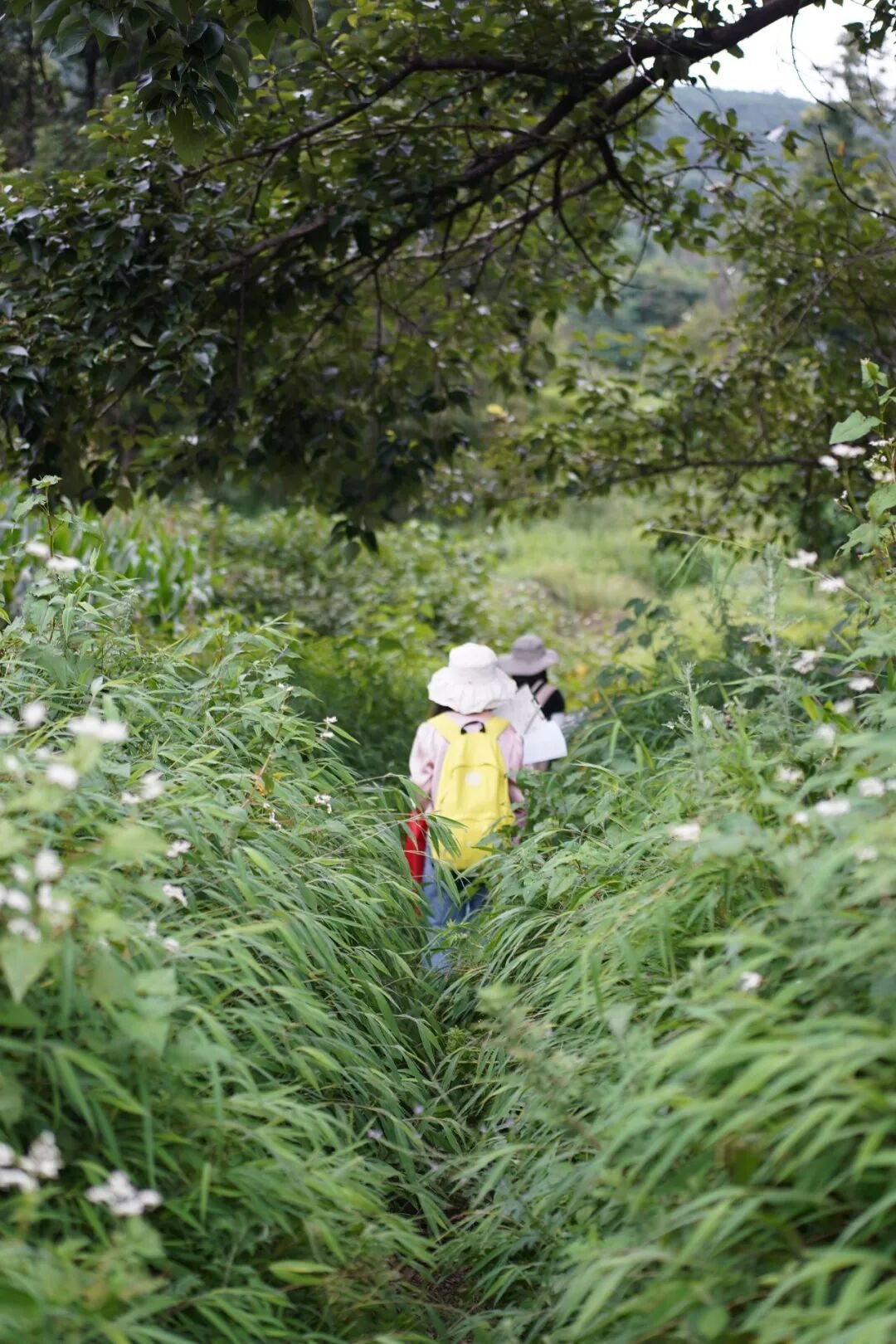
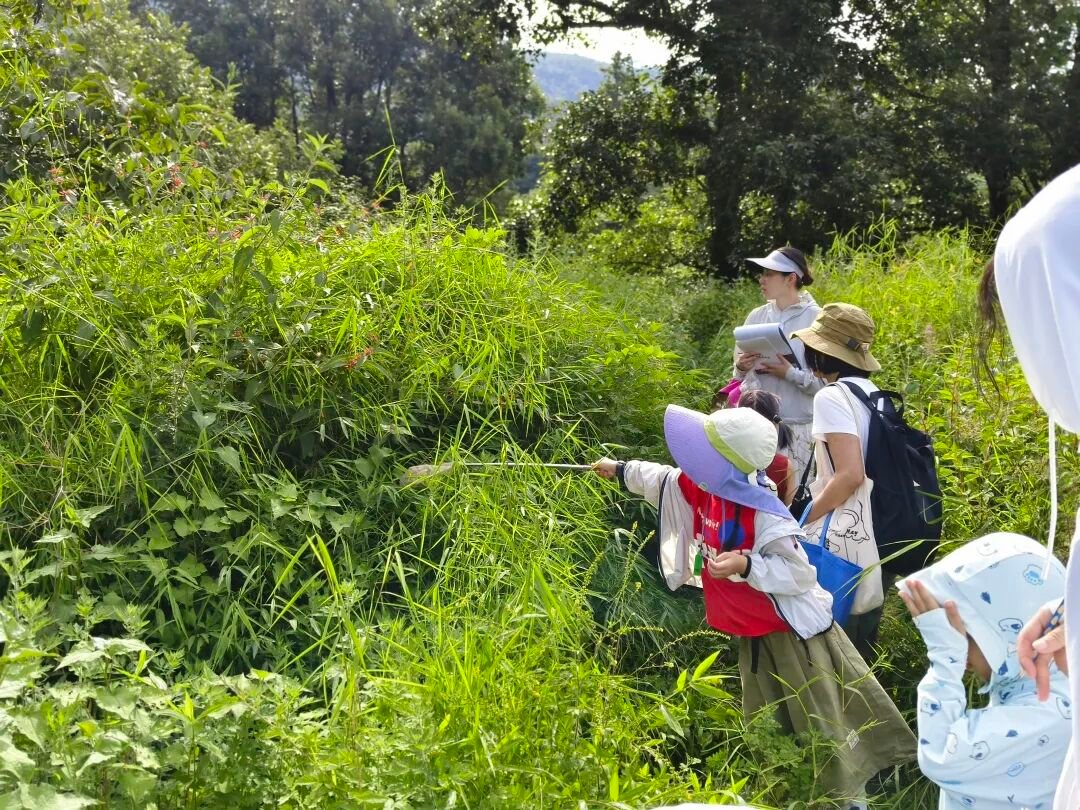
This is an easy hiking route, suitable for young children and the elderly. During the activity, we will walk through the fields at the foot of Cangshan Mountain, climb a small hill, stop at any time to observe the rich species of plants and animals on Cangshan, and learn about their interesting aspects. The route offers expansive views, allowing you to get close to Cangshan Mountain while also overlooking Erhai Lake and the villages.
The plants along the way are very rich, including winter cherry, walnut, Yunnan poplar, palm, acacia, elderberry, nettle, ramie, crofton weed, mugwort, cudweed, tea plant, horsetail, and of course various seasonal vegetables in the fields.
I will explain the stories of these plants along the way. Different plants have their origins, history, and uses. Some are native, some are introduced. Through this pleasant and relaxed hike, you can learn most of the plant ecology and knowledge on the slopes of Cangshan.
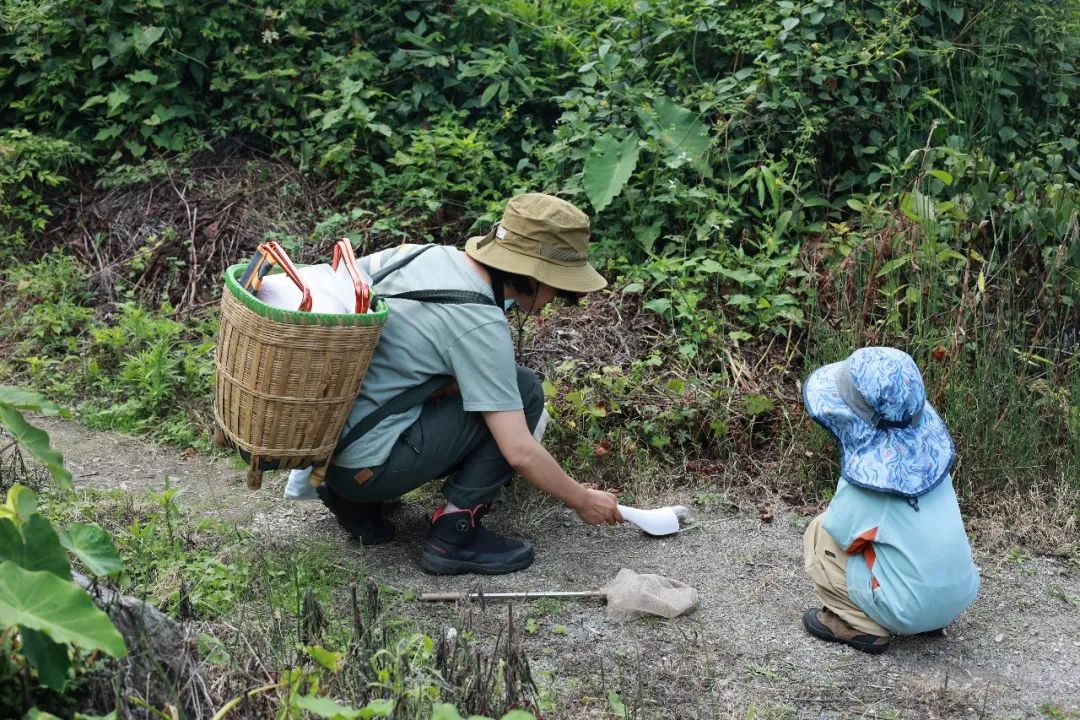
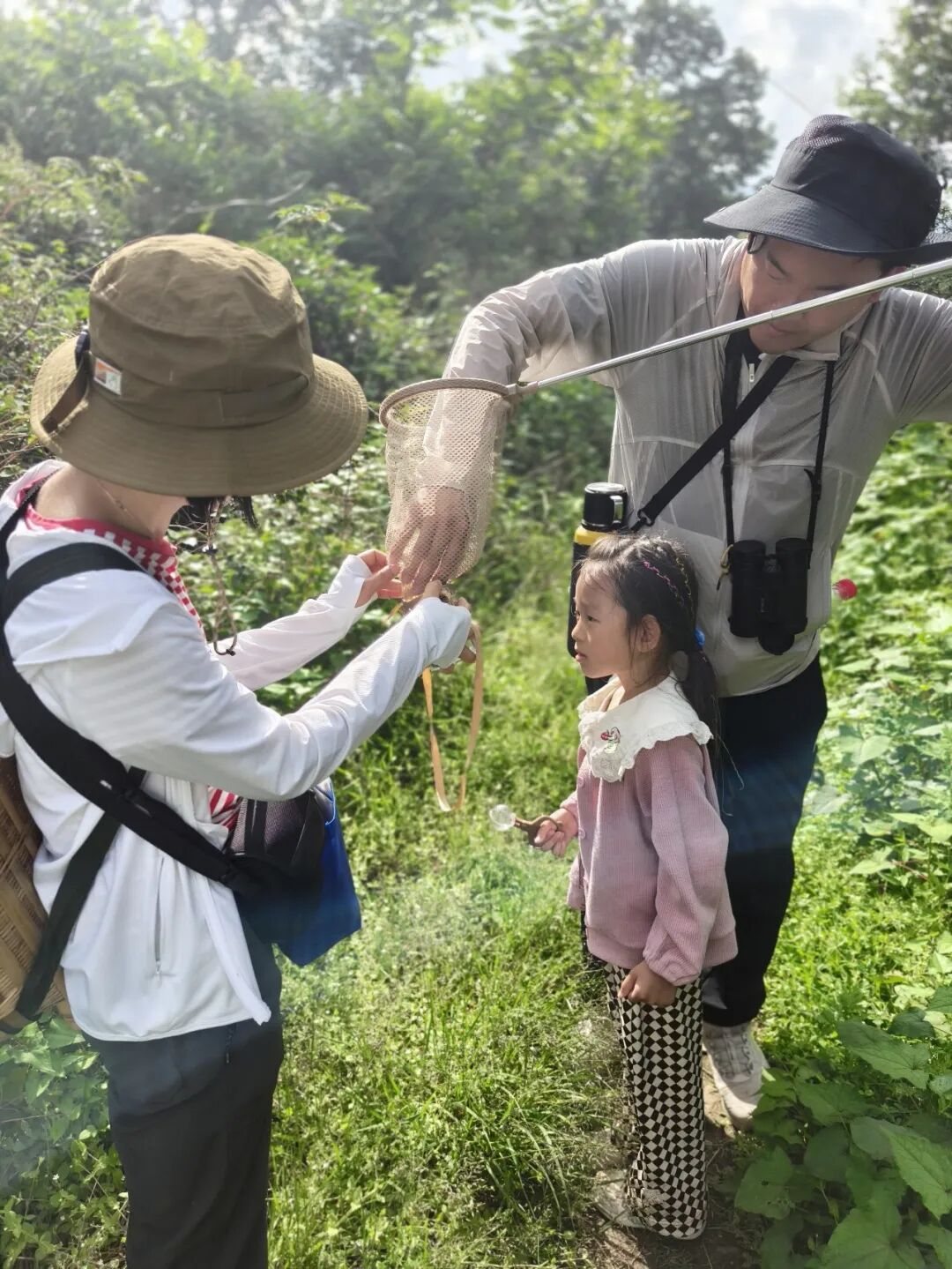
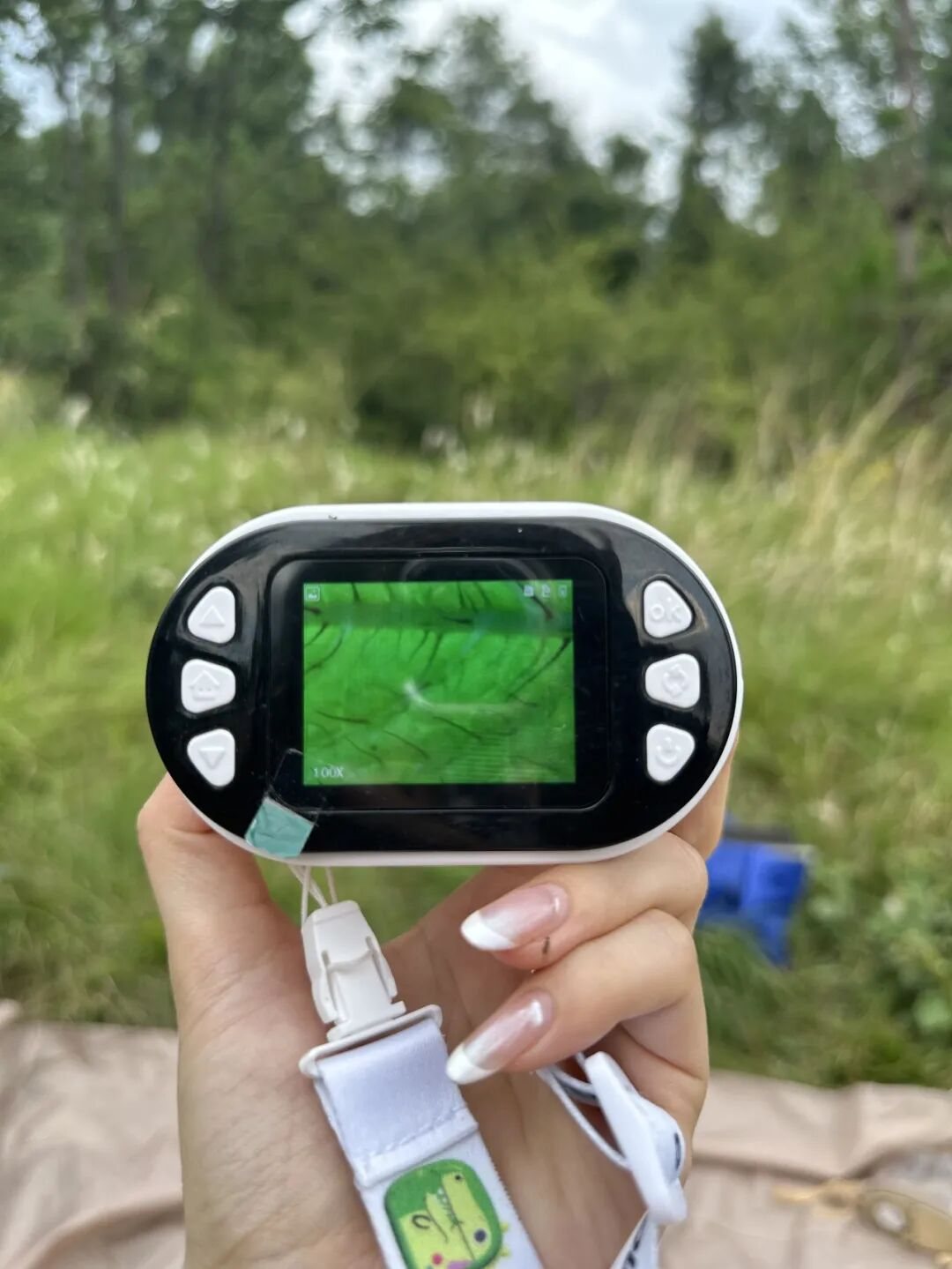
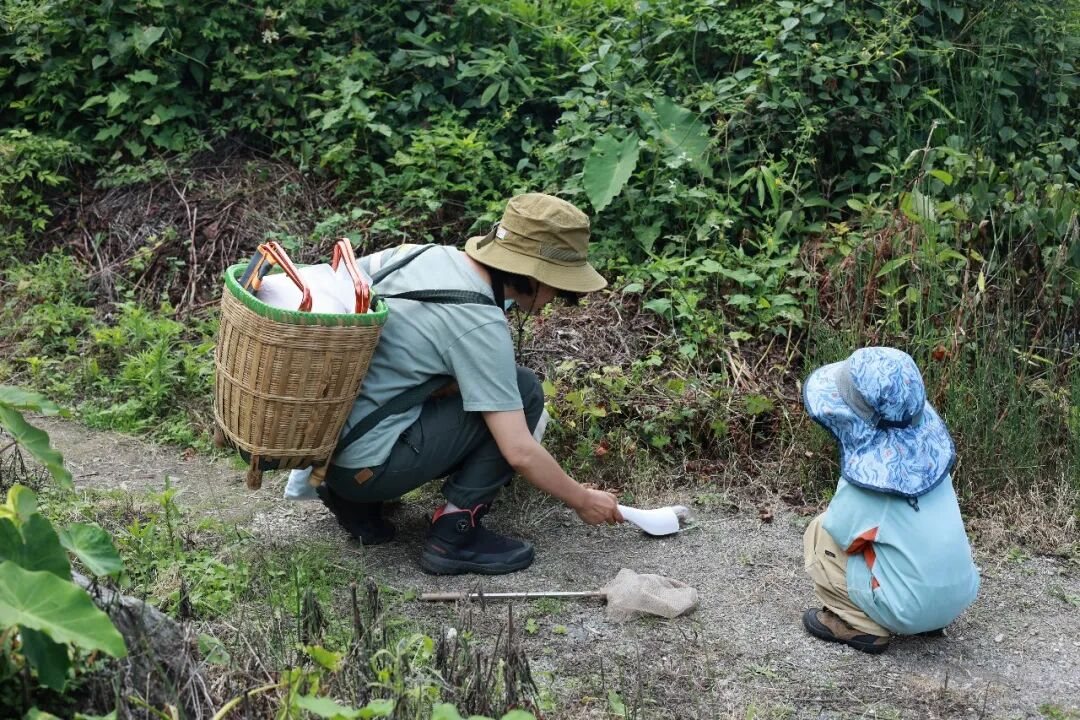
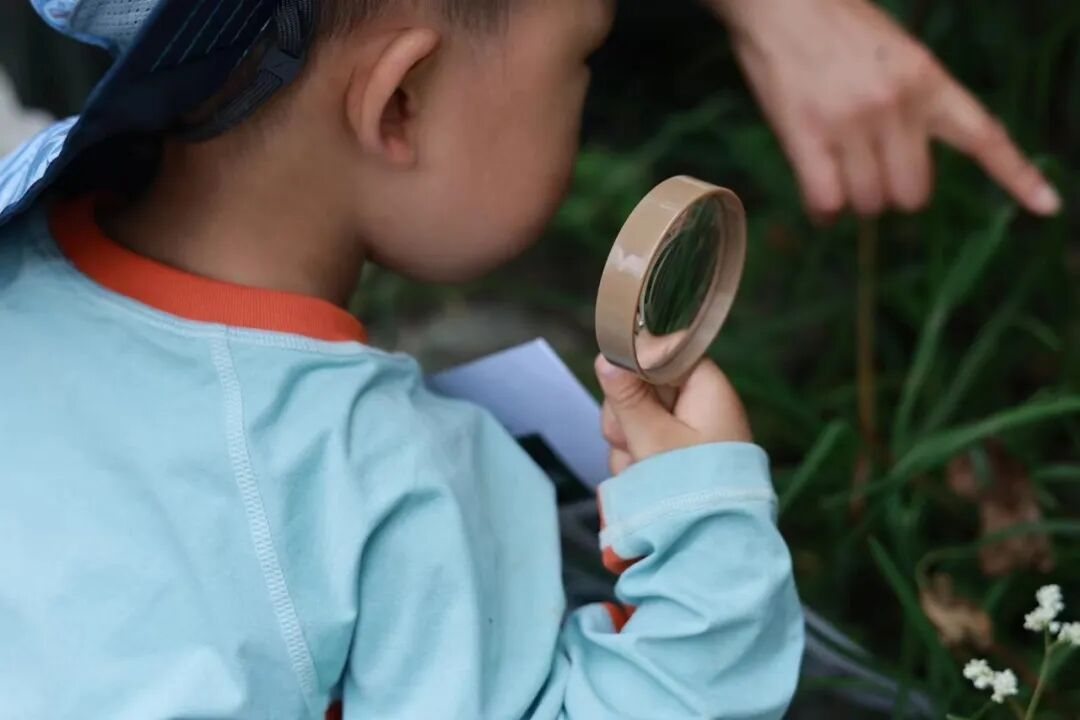
In seasons when insects are active, we will also catch insects that children are interested in along the way for close observation.
If you want to know more about this activity, feel free to add my WeChat:
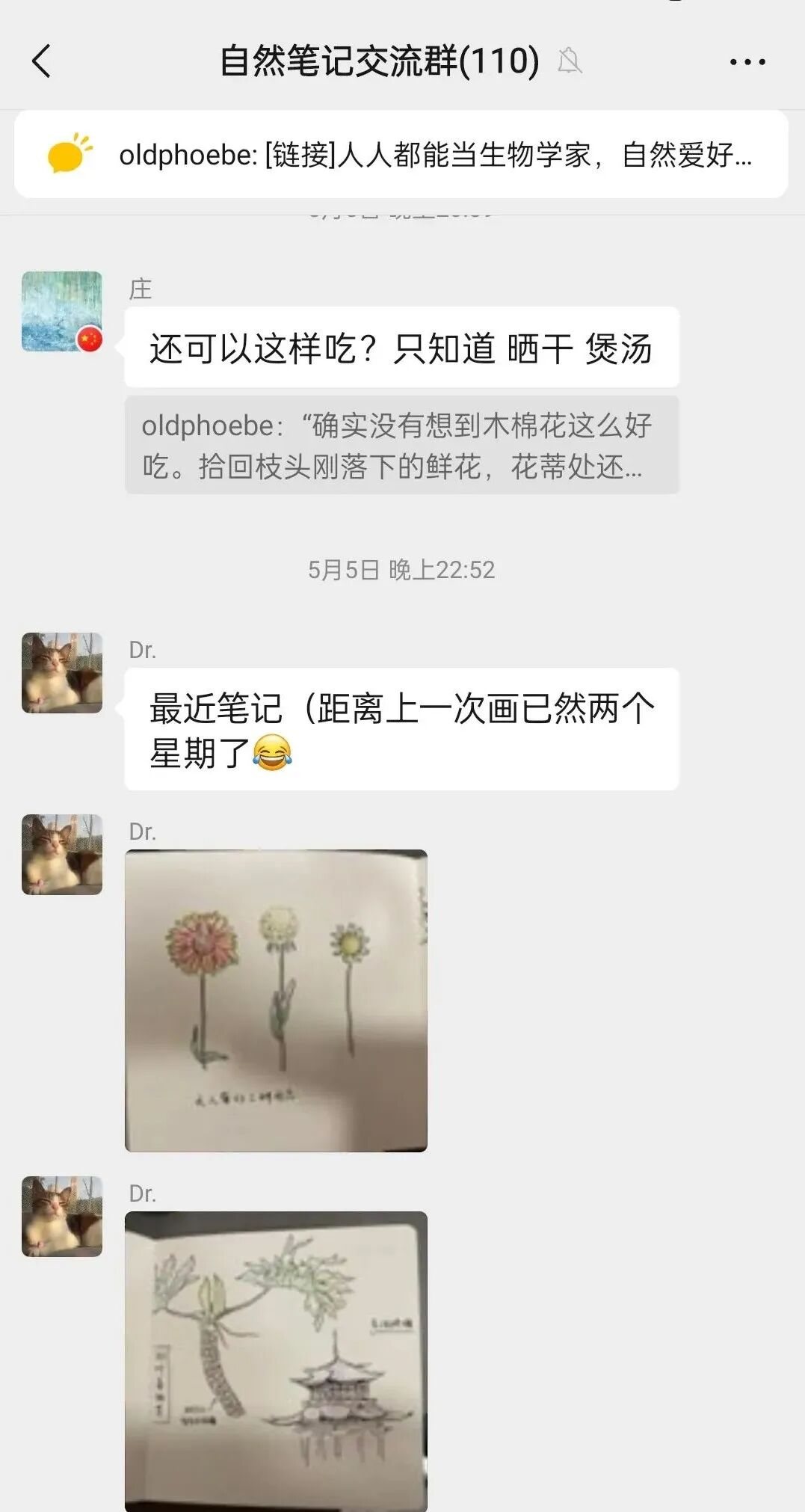
In addition, I have a nature observation group for enthusiasts. After the activity, you can continue learning, seeing plants, insects, and birds observed by netizens in different places and seasons. There are also natural history experts and picture book writer friends in the group, exchange ideas and progress together.
Frequently Asked Questions Q&A:
1. Can children participate on their own?
—— For activities of Cangshan Hiking Home, children under 16 must have participated in an activity with a parent at least once and obtained the leader's approval before flying solo. Under this premise, children aged 7 and above who are interested in the activity content and have a good personality can fly solo.
2. Do accompanying parents need to pay?
—— Yes, this activity is priced the same for adults and children. The activity is not only for children; many adults sign up alone.
3. Are two- or three-year-old children charged the same? My child is * years old. Is this activity suitable?
—— Yes. Infants in arms and toddlers aged 1.5 can be free, but parents must have experience hiking with kids, ensuring the child does not cry easily and affect the experience of other guests.
This activity is suitable for children aged 3 and above and adults. Occasionally, two-year-old children participate. Two-year-olds are mainly carried, which tests the parents' physical strength.
4. What happens if it rains? Does it affect the activity? Will there be fewer insects?
—— The weather in Dali is changeable and hard to predict, and forecasts are often inaccurate, especially in the rainy season. We can only check temporarily. Light rain does not affect the activity; I will prepare raincoats and shoe covers. We will take a break at the mountain temple. On rainy days, guests can judge the weather, decide for themselves. If you want to cancel, I can help cancel.
Insects mainly depend on the season; few in winter, many in summer.
5. Can insects still be seen in winter?
—— In winter, the number and variety of insects cannot compare with summer, but the daytime temperature in Dali is not bad in winter, and you won't see nothing; you just need to search more carefully.
In winter, when winter cherries and eucalyptus bloom, they attract birds and squirrels feeding on nectar, which is also a good opportunity for observation. Winter is also suitable for bird watching, and sometimes birds of prey can be seen.
6. Where is the route, how is the itinerary arranged, and how difficult is the hike?
—— We meet at the field edge near Jingdi Yoga Meditation Hotel in Shangyin Village, start hiking, cross the fields, observe plants and animals along the way. Finally, climb a small hill with a view, rest there for a tea break (activity provides hot tea, fruit, and snacks). If time permits, go to a place with fewer trees and open views, then descend through the mountain temple with many foreign language graffiti back to the starting point.
Round trip 2 km. Except for the final climb, most of the route is gentle slopes. Including the initial gentle slopes, total elevation gain is within 100 meters. Difficulty suitable for all ages.
7. How long is the activity? What time does it start? Will dinner be too late? Is there a place to eat near the meeting point?
—— The activity generally lasts three to four hours. The duration noted on the mini-program is the median to slightly shorter time. It depends on everyone's interest. This activity has a relatively slow pace; nature observation requires walking slowly and discovering slowly.
In summer, gather around 4 PM to avoid the strong sun. On cloudy or rainy days, can start earlier. The specific start time will be adjusted according to weather and sunset time. The start time is set for a comfortable and smooth activity, not fixed.
In summer, sunset is around 8 PM. Dali actually has a 2-hour time difference with the east, so it's normal to have meals a bit later.
In winter, gather around 1:30 PM. Can consider starting earlier if needed; higher temperature is better for observation.
About an 8-minute walk from the meeting point, there is a hotel called "Cangshan No.1" with a restaurant. During peak tourist season, guests have had lunch there after 2 PM, probably can dine anytime. In low season, the restaurant has limited hours.
8. What is the difference between Mini Nature Observation and Nature Journaling?
—— Same route and observation. Nature journaling involves making a record based on nature observation, using a free choice of drawing, writing, children's polaroid, specimen collage. Suitable for children and adults who like to draw or want to try drawing. Among them, the option "Observation only without journaling" is equivalent to Mini Nature Observation.
During peak season, if you want to sign up for Mini Nature Observation but find the desired date is full, you can also check nearby dates for Nature Journaling and choose the "Observation only without journaling" option. The two activities can also be mixed, but separate is better. Because Nature Journaling has a slower pace; drawing takes time and patience. In a mixed group, the journaling session is mainly arranged after the tea break. Guests who don't draw can return the same way first if they don't want to wait (the route is not complicated). If there are many people and an assistant is hired, the assistant can take them down first.
9. Are there discounts for large groups?
—— No. For large groups, I hire an assistant and need to pay them. The activity is capped at 10 people (during public holidays and summer/winter peak seasons, occasionally one extra person is allowed).
10. Are there snakes on the mountain?
—— Yes, but rarely encountered. In summer when grass is tall, we avoid some optional paths used in winter and choose the main road used by villagers to increase safety.
11. Does the route pass by graves?
—— Yes. In Dali, there are graves everywhere in the fields and hills. No matter where you go, if you participate in outdoor nature activities near the mountains, you cannot avoid them.
12. Is it easy to park near the meeting point?
—— Parking and turning around at the field edge are convenient. After ordering, a group will be created to send transportation guide.
13. What to do if I encounter problems filling in information for outdoor insurance?
—— For each person, please click in again and refresh; it usually works. Don't operate too fast; give the system some reaction time.
14. Why does the mini-program show the fee as free?
—— After selecting a time slot, the corresponding price will be displayed.
More activity-related graphic information
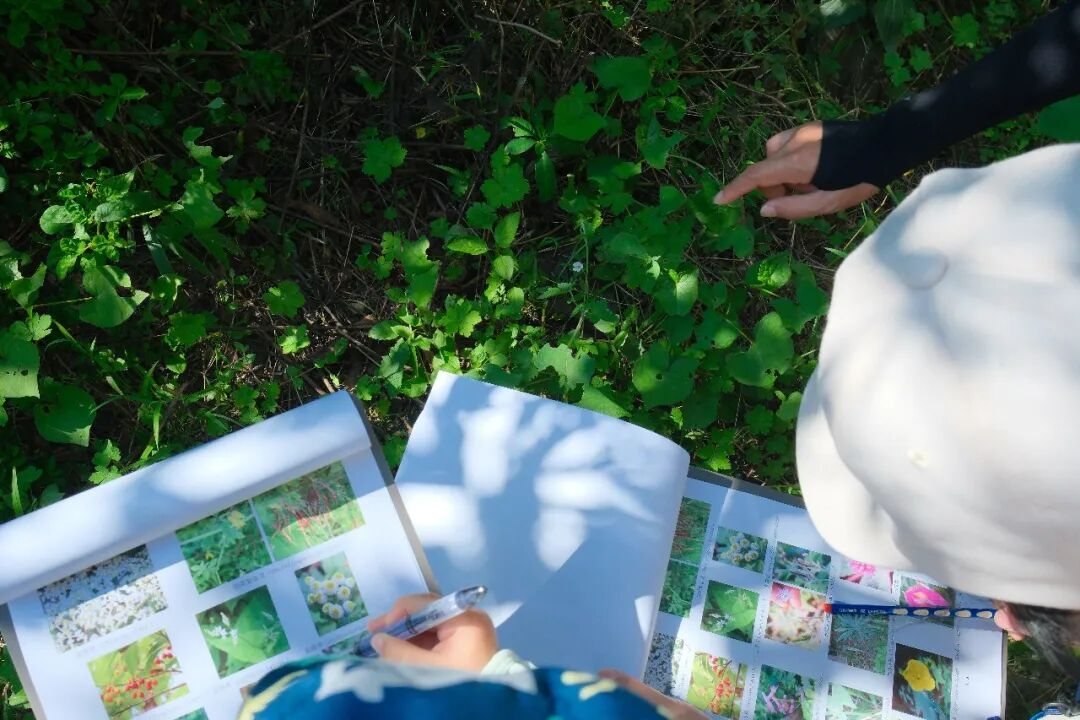
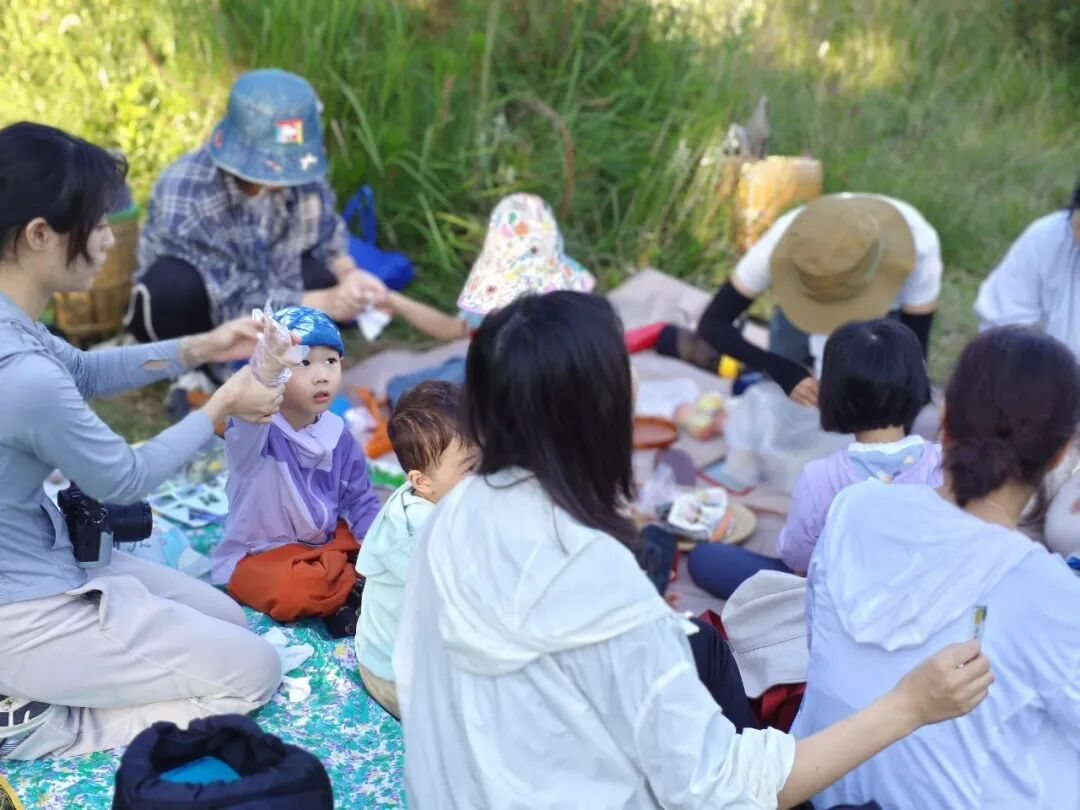
Activity site photos:
Route scenery:
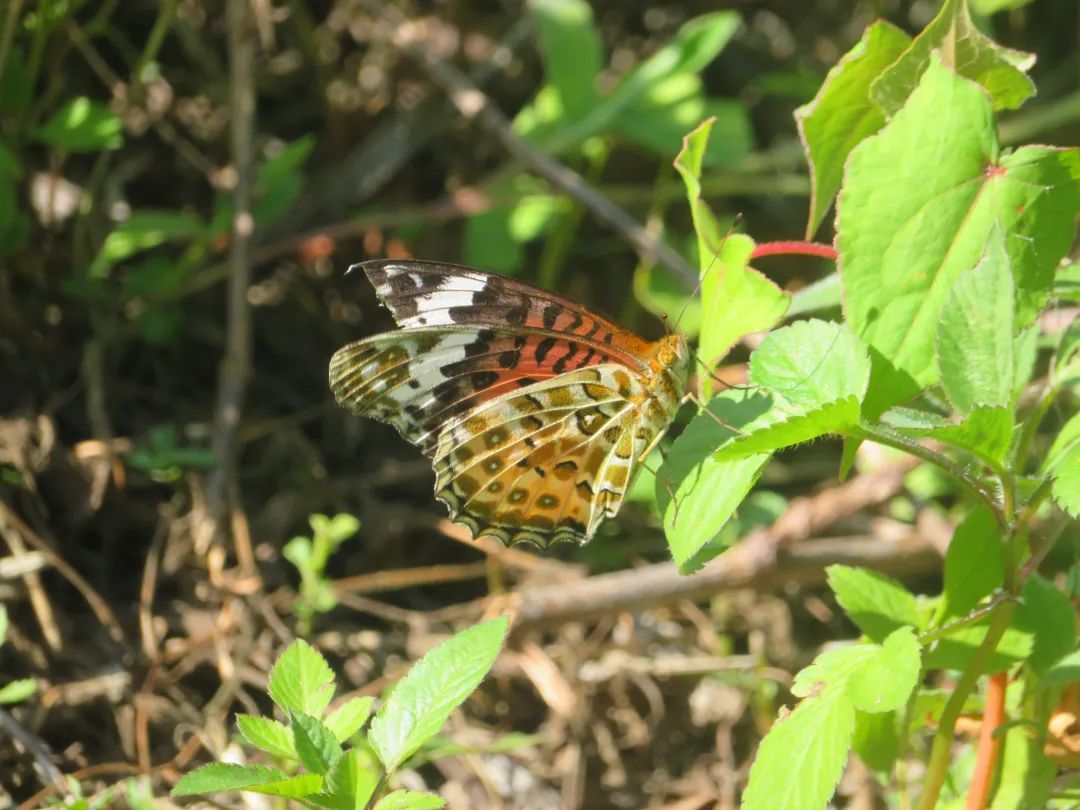
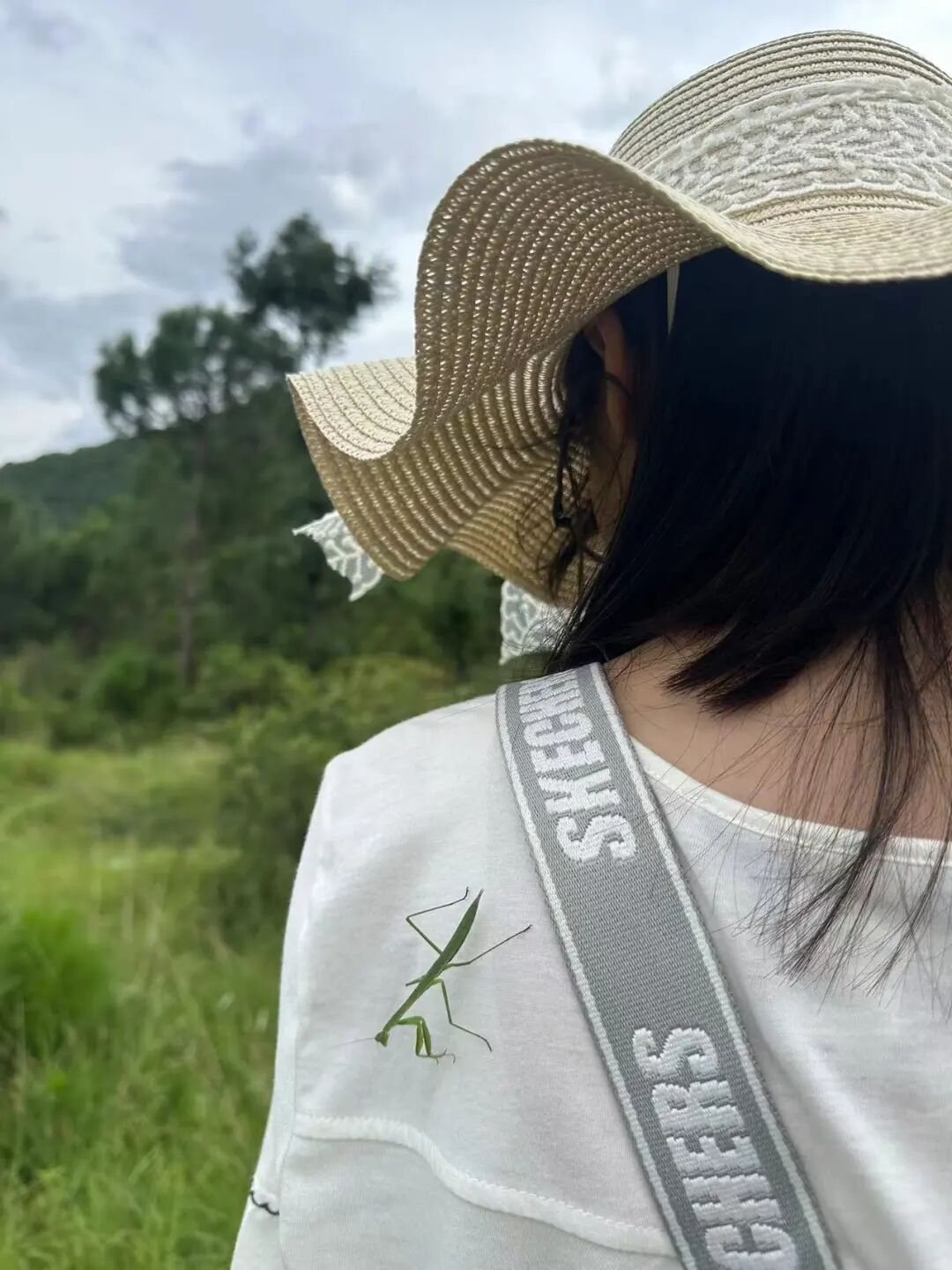
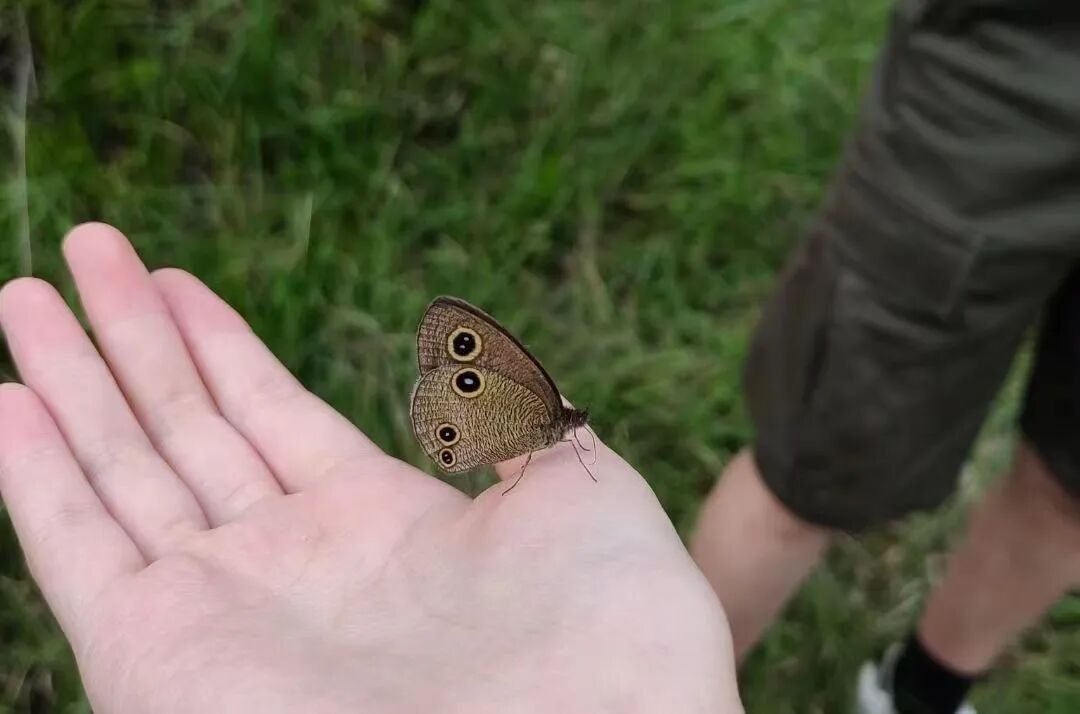
Some insect species:
Potato ladybug
Argiope spider that weaves ribbon-like webs
Eastern cabbage white butterfly
Large black and white geometrid moth
Golden leaf beetle
Multiform tanyptera
Spotted owlet moth
Lacewing butterfly
Blister beetles and froghoppers
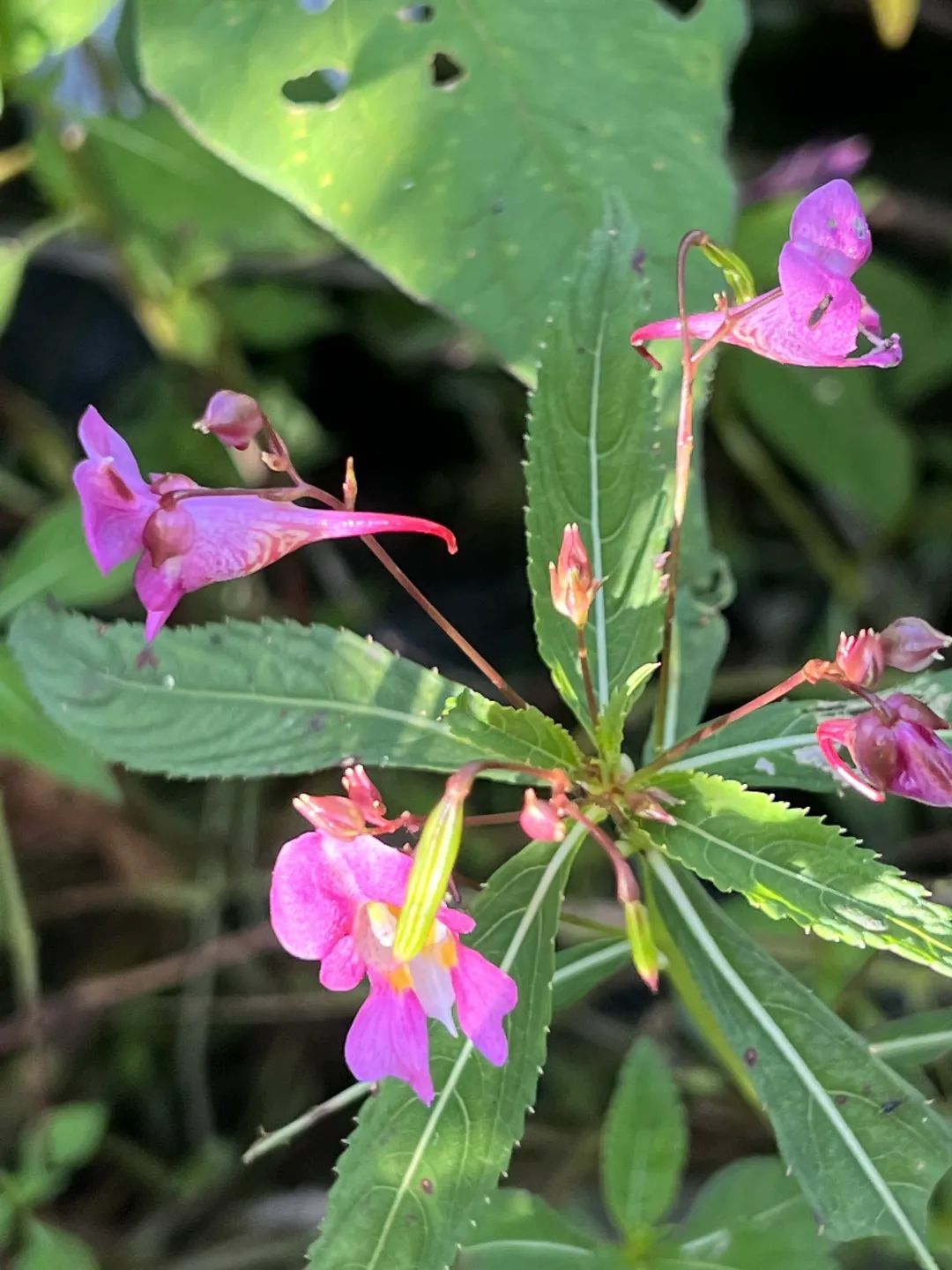
Some plant species:
Amber milk mushroom
Starry anisetree (a Melastomataceae plant endemic to Southwest China)
False sourgrass (ice powder fruit)
Nasturtium (can be used in salads)
Yunnan water balsam (want to know why the English name of impatiens is touch-me-not?)
Photos and


WeChat article · WeChat article
WeChat article · WeChat article
https://mp.weixin.qq.com/s?__biz=MzU4Njk2ODc1NA==&mid=2247485399&idx=1&sn=5253288287cb51a3ad50c034adc1e36f&scene=21#wechat_redirect


