この旅について
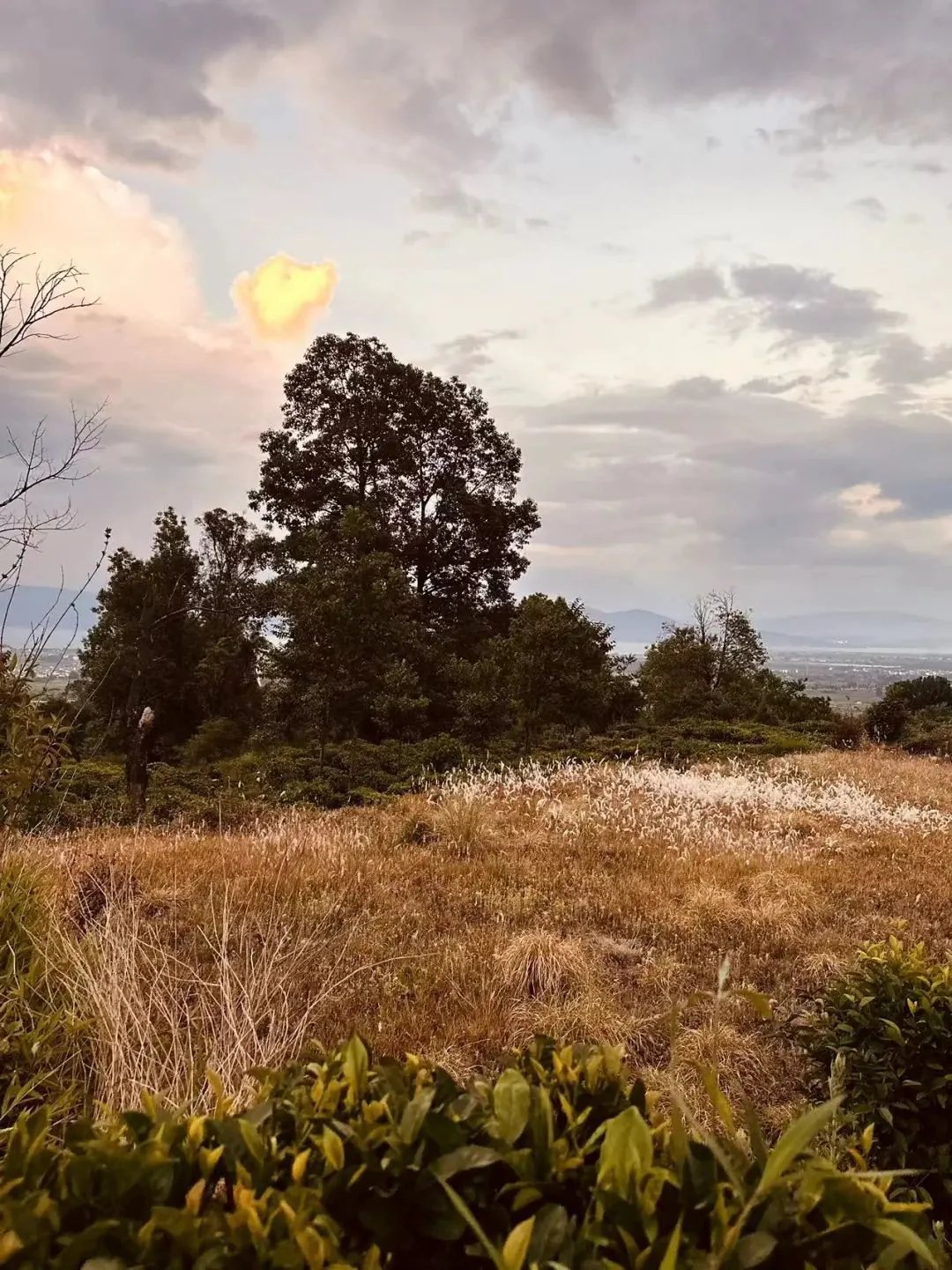
“This is an easy hiking route, about 2+ kilometers long, with an elevation gain of about 100 meters. Suitable for all ages, from toddlers to seniors. During the activity, we will walk through fields at the foot of Cangshan, climb a small hill, and stop along the way to observe the rich and diverse flora and fauna and learn interesting facts about them. The route offers open views, allowing you to appreciate Cangshan up close while also enjoying panoramic views of Erhai Lake and nearby villages.”
About the guide Phoebe:
Phoebe is a freelance translator proficient in English, Japanese, and French. She has translated over 20 books and picture books, including *My Nature Play Book* (French), *Exploring Space – My First Exploration Atlas* (English), and *Sustainable Good Life* (Japanese). She is an art, culture, and nature enthusiast with seven years of nature observation experience. Phoebe has also kept a diary for eight years, and her diary sketches have been featured in *City Pictorial* magazine. Her WeChat public account: "Phoebe's Wandering on Earth".
You can find her full translation list on her Douban page (ID: oldphoebe).
Jason | What I know about Phoebe
Phoebe | Shining Days
What is nature journaling: Nature journaling is the paintings left by ancient humans on cave walls, the exploration diaries of the Age of Discovery... it is any observation record left by humans during their interaction with nature. The format of nature journaling is flexible, allowing creativity and encompassing all possible recording forms. Among them, writing and drawing are the most basic ways. Active observation, thinking, and questioning are the core of nature journaling. Why do we do nature journaling: Nature journaling is the best way for modern people to step out of the virtual world, return to the present, engage their senses, focus on the moment, experience the joy of discovery, feel the happiness of life, and rebuild their connection with nature.
What nature journaling can bring us: ☉ Observation skills that combine science and aesthetics ☉ Creative writing and technical writing abilities ☉ Ability to layout and present ideas ☉ Cognitive and analytical skills ☉ Questioning ability, inventiveness, and comprehensive ability ☉ Ability to contemplate, focus, soothe pain, and calm the mind ☉ Ability to deeply appreciate nature and space ☉ Ability to share with family ☉ Spiritual comfort, learning to open up to new things ☉ Confidence and self-expression ☉ Cultivating self-learning ability, challenging observers to combine knowledge and experience — This excerpt is from *Notes from Nature*, P13, P9
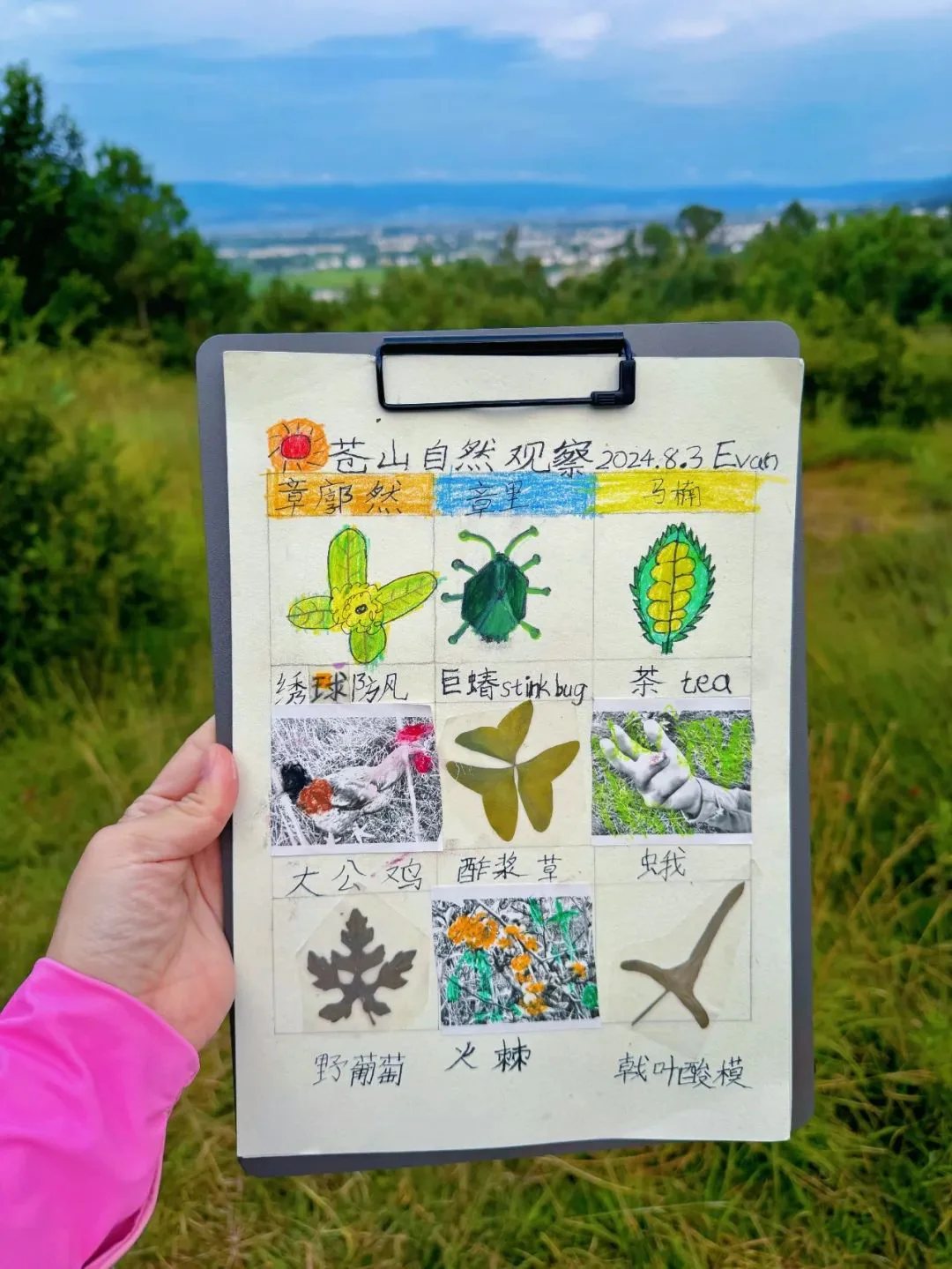
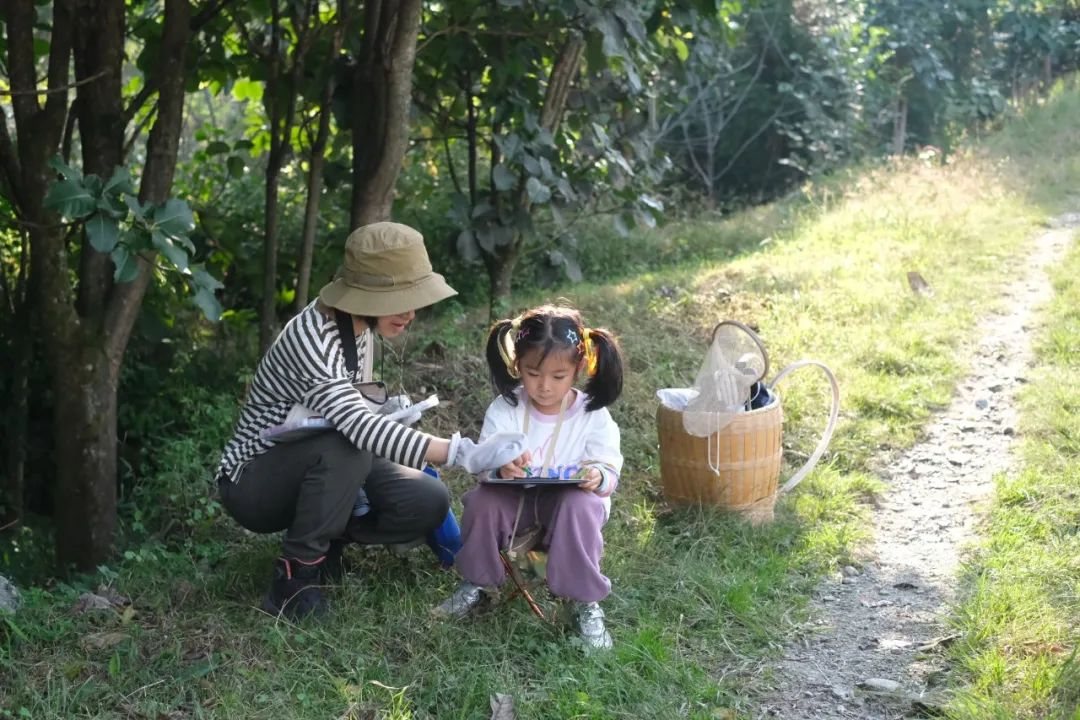
Guests' works:
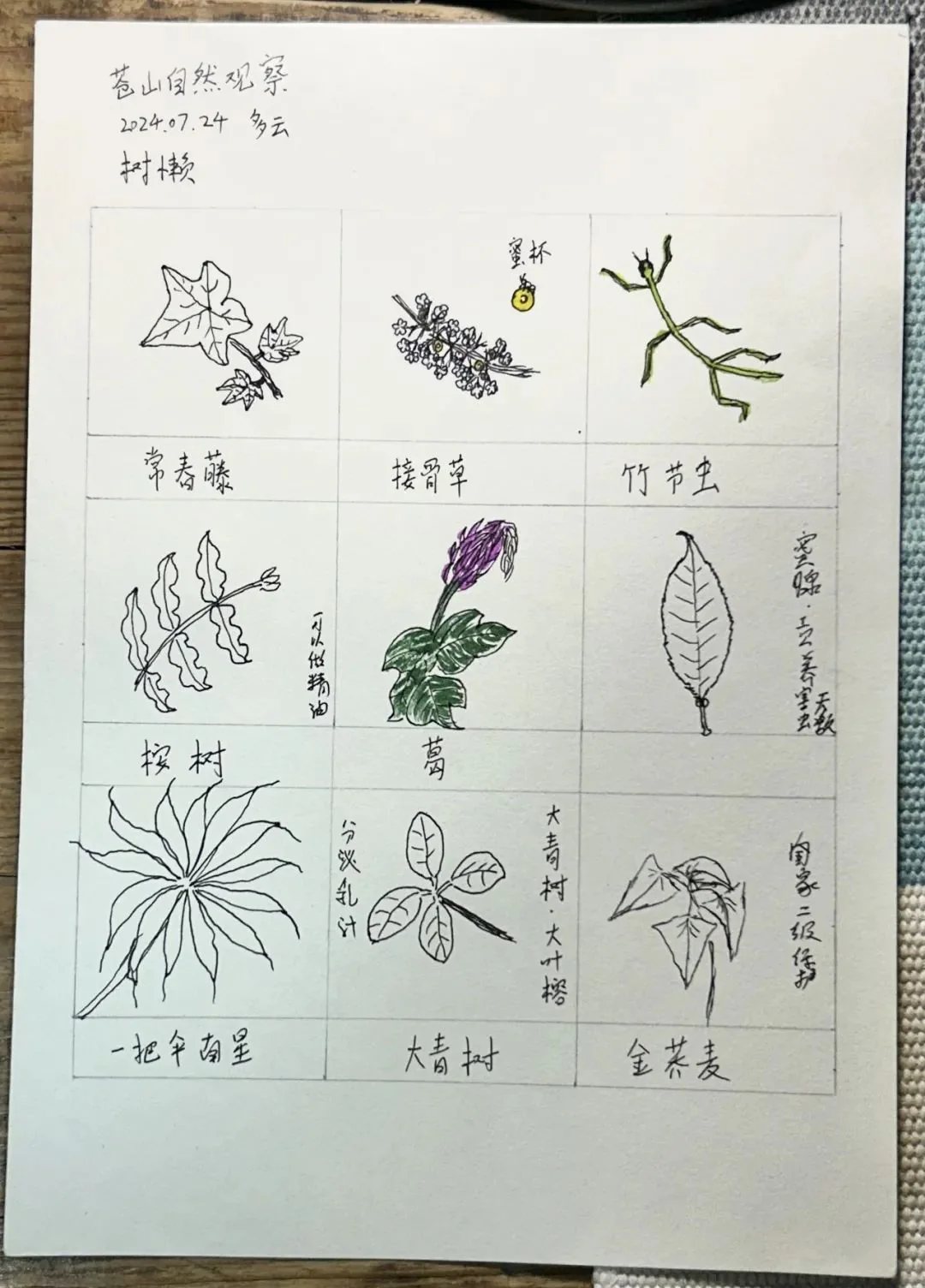
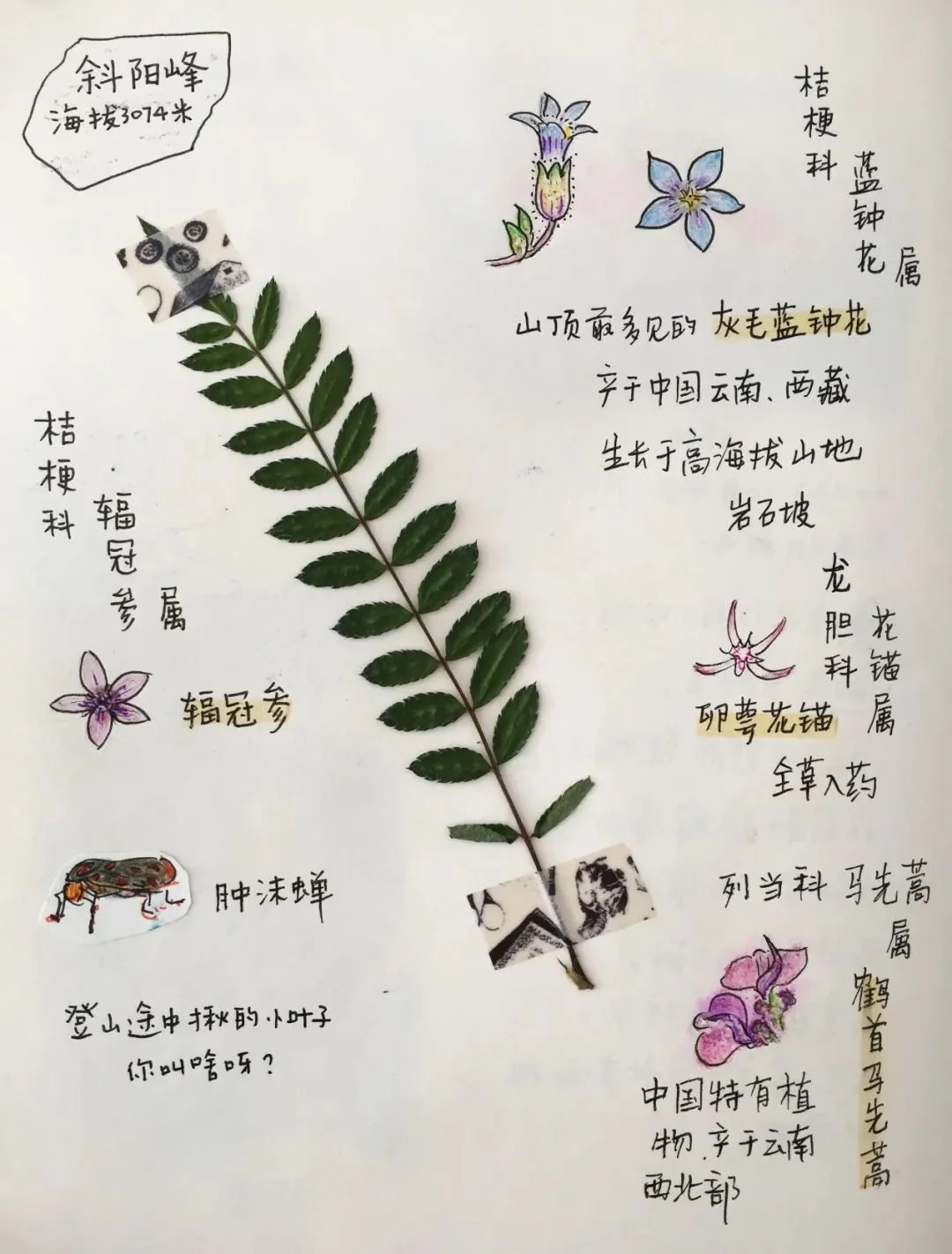
Phoebe's notes:
Phoebe's words: In 2015, while visiting the former site of Zhijiang University by the Qiantang River with my friend Yuan Woniu, I was amazed by her sharp eyesight. That was the first time as an adult that I entered the micro-world, noticed the tiny creatures around me, and saw the smiling face pattern on a small insect... Yuan Woniu works in children's art education. Following the child's perspective of an early childhood educator, I felt like I had returned to childhood.
Falling in love with natural history is a wonderful thing; it rekindles your curiosity about everything in the world like a child. Before that, I thought the best times were on the road, and all non-daily experiences were fresh, exciting, and memorable. But once you develop an interest in nature observation, you don't need to travel far; you can have fresh experiences every day. Even an ordinary walk near home can bring surprising encounters. Nature is so vast—plants, animals, rocks, soil, clouds... there are always beautiful things and wonderful details you haven't noticed before. In other words, nature offers endless possibilities for aesthetic appreciation and exploration. As the pioneer of American nature literature, Thoreau, said: "Most natural phenomena... are ones we never see in a lifetime. The beauty of nature we can see is only the part we are willing to appreciate, no more, no less... People can only see what they care about." Becoming a nature observer means you will never feel bored. Never feeling bored means a spiritual richness independent of external things.
In today's era of material abundance but widespread anxiety and loss of meaning, the comfort nature brings to the soul becomes increasingly indispensable. As mentioned in the book *Notes from Nature*: "Nature is everyone's psychotherapist." Nature journaling provides a way to get close to nature, a place for contemplation, meditation, and self-healing. Observation makes you profound; recording brings space for reflection.
I am a language learning enthusiast. A new language is like Alibaba's spell, opening the door to a wonderful new world. Ouyang Ting, author of *There Is a Tree in the North*, said: "Nature needs to be learned; the more you learn, the deeper your understanding." Indeed, learning nature is like learning a language; it requires patience.
My friend Bubble Bear said it well: "I feel that learning nature still needs blank spaces. What is this 'blank'? It is reverence for nature, your own exploration and discovery. Those creations and records are precious colors in the blank." My nature journaling friends and I truly feel that the mere thought of doing nature journaling makes us more sensitive to the ordinary things around us. Welcome to sign up for our nature journaling activity and join our nature observation + nature journaling + nature drawing exchange group to continue observing and creating, truly making natural history a way of life.
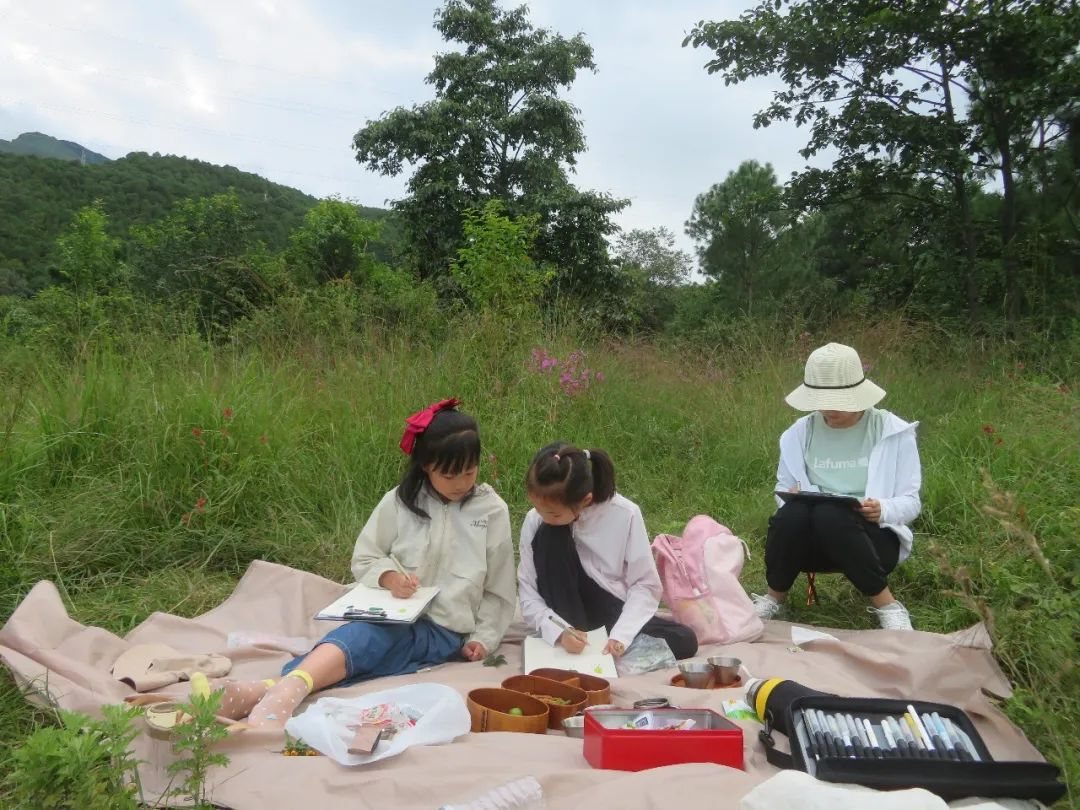
Activity process: 14:30 (start time adjusts with sunset and weather) Gather, introduce activities and tools 14:45 Hike, observe and identify plants and insects along the way, record characteristics 17:00 Picnic and tea break on the hillside, continue exploring the hillside, complete notes 18:00 Return
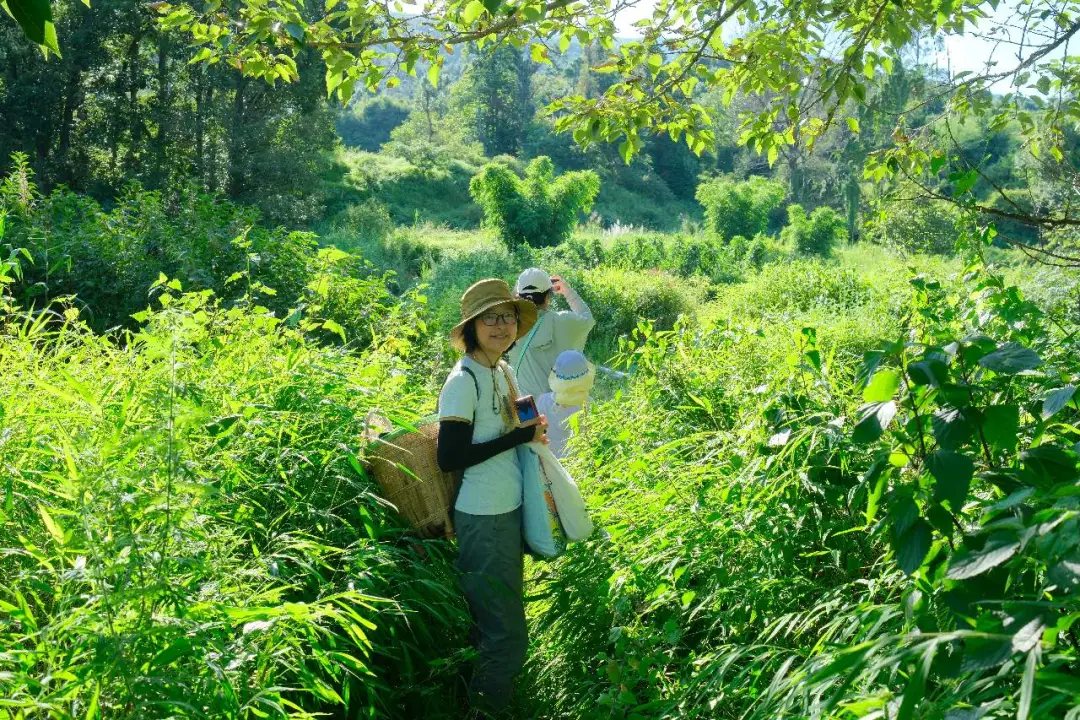
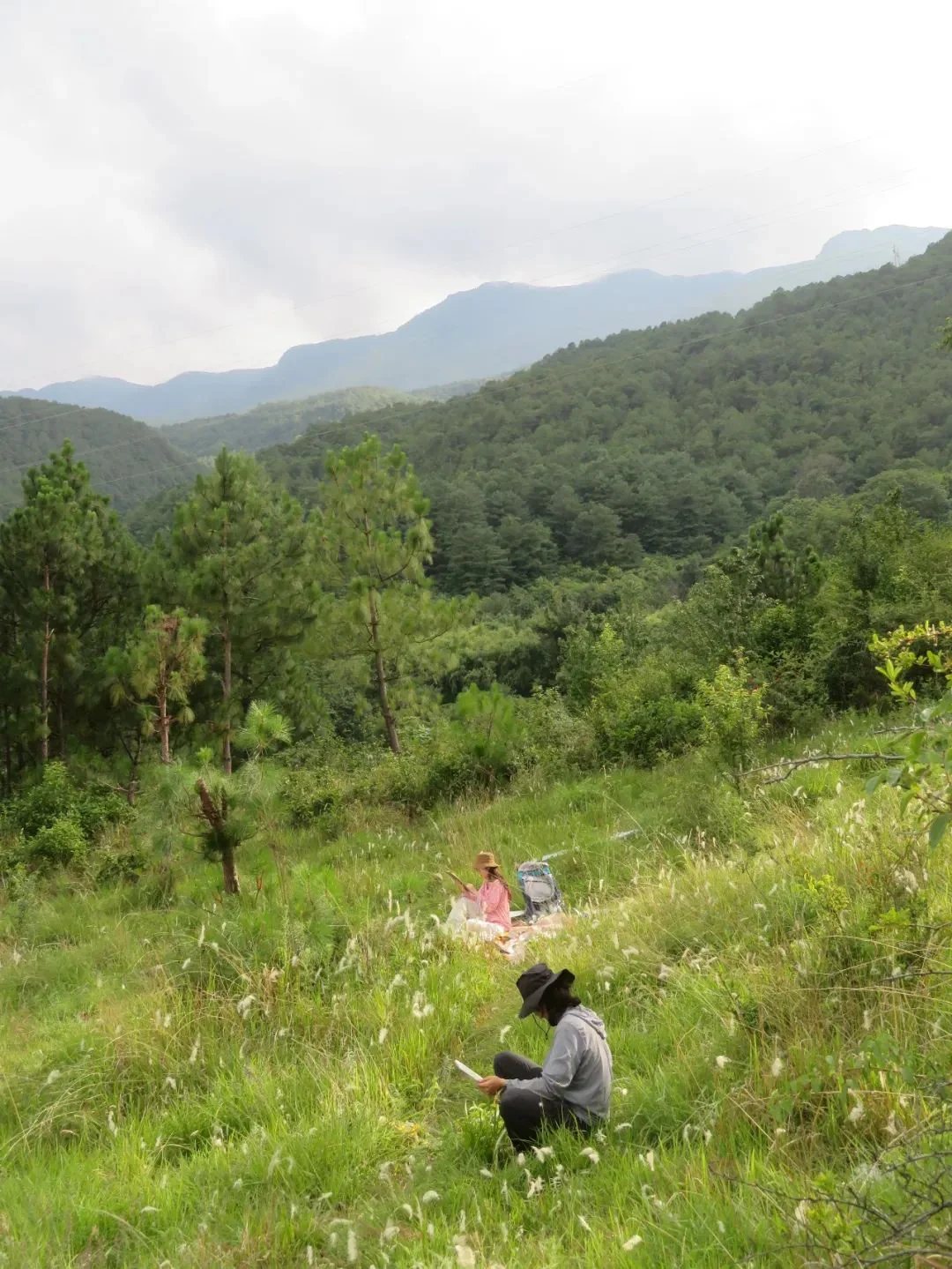
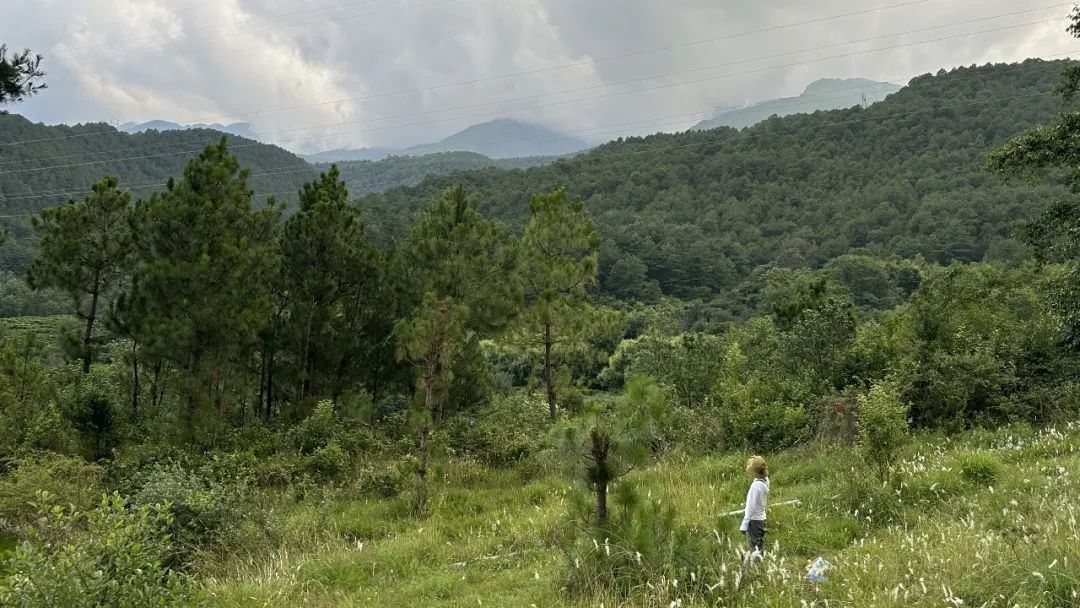
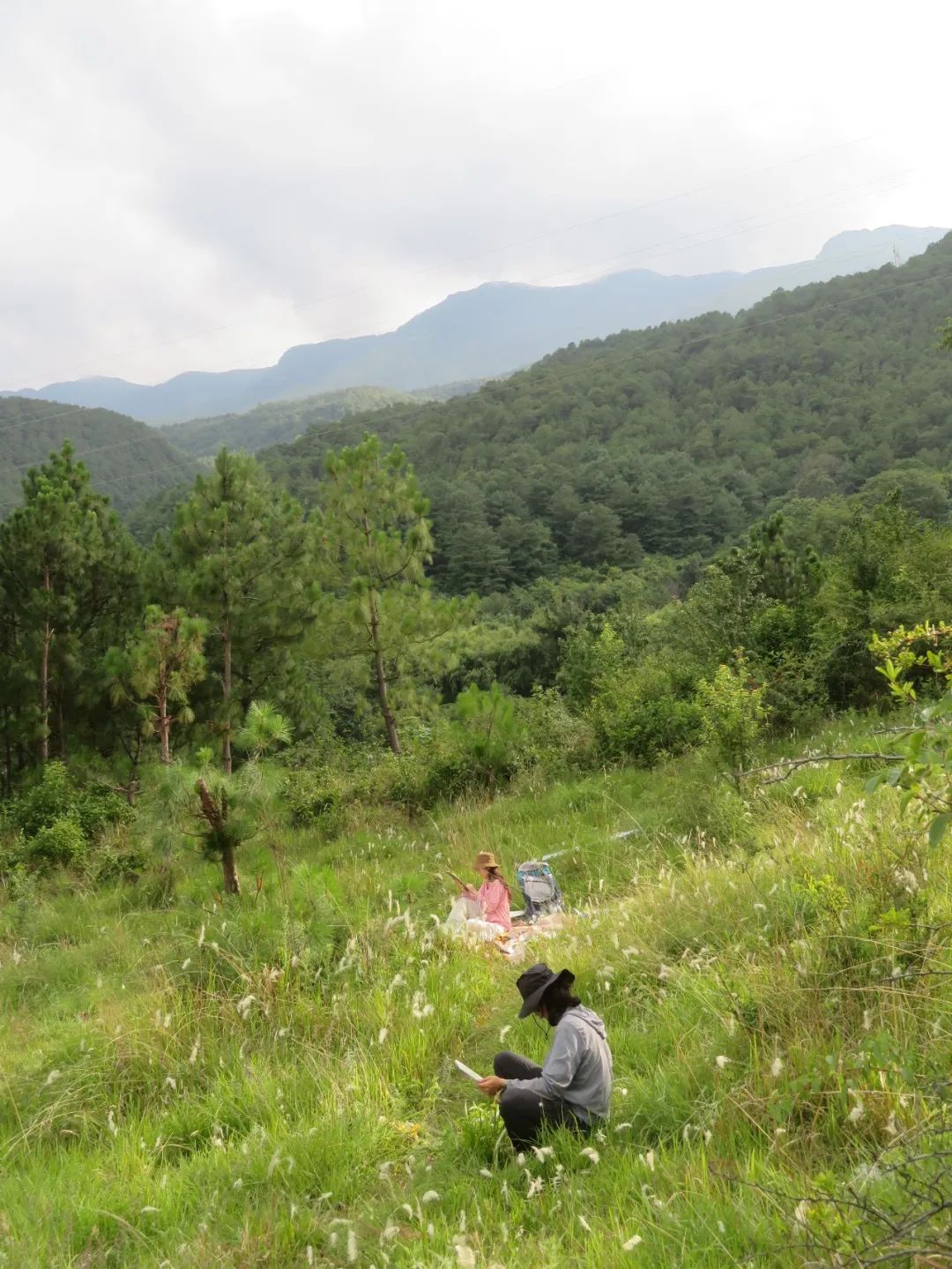
Activity site photos
Route overview: This is a quiet and easy hiking route, passing through a tea plantation, rarely visited except by local villagers. You can observe a rich variety of plant and animal species and enjoy open views of Cangshan and Erhai Lake.
Before deep winter, this is a route to see winter cherries (Prunus subhirtella), whose bright pink flowers contrast sharply with the golden leaves of poplar trees along the way. Rhododendron simiarum on the hillside begins to bloom, and the rhododendron spectacle continues into spring. In spring, wildflowers bloom in the mountains; Fraxinus griffithii, wild roses, Spiraea japonica, Viburnum, Pyracantha, and various grasses flower sequentially along the route. During the tea break on the hillside, rhododendrons bloom deep in the forest. As summer approaches, insects become active, occasionally surprising you. Along the way, delicious wild berries are ripening.
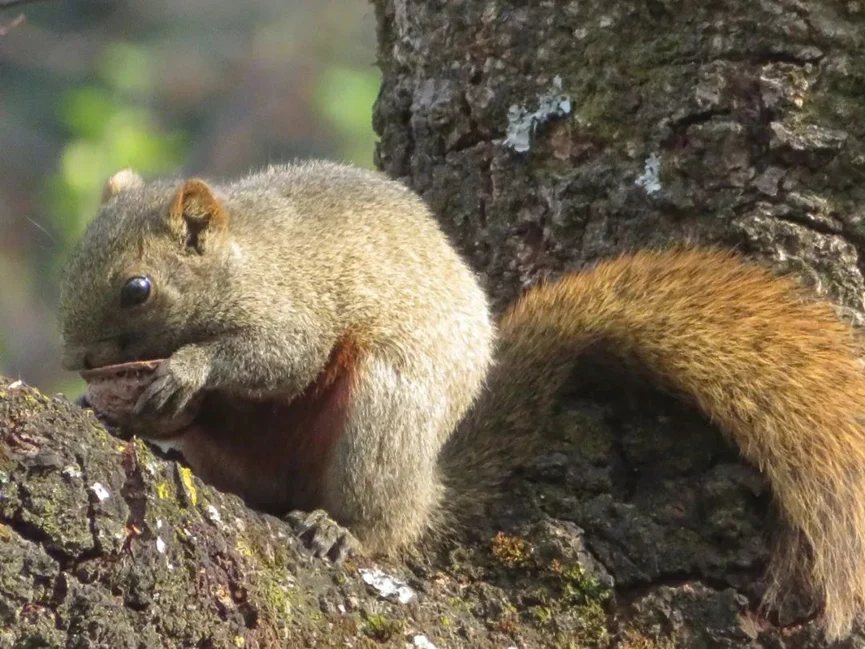
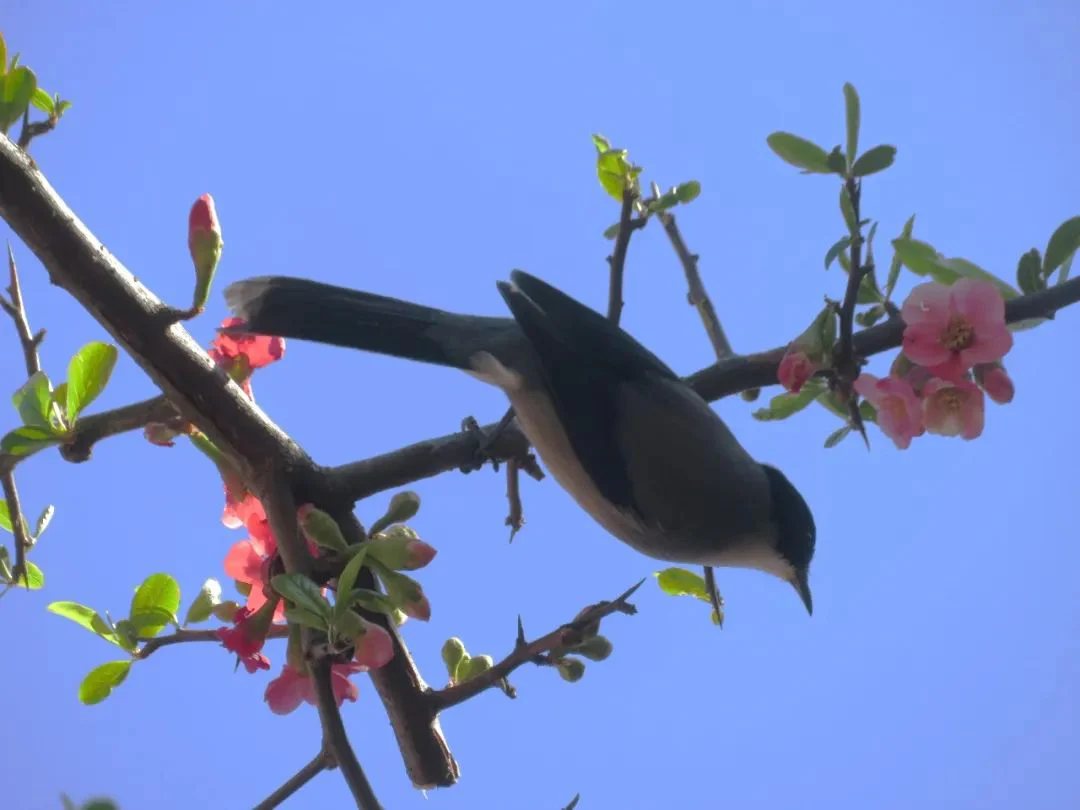
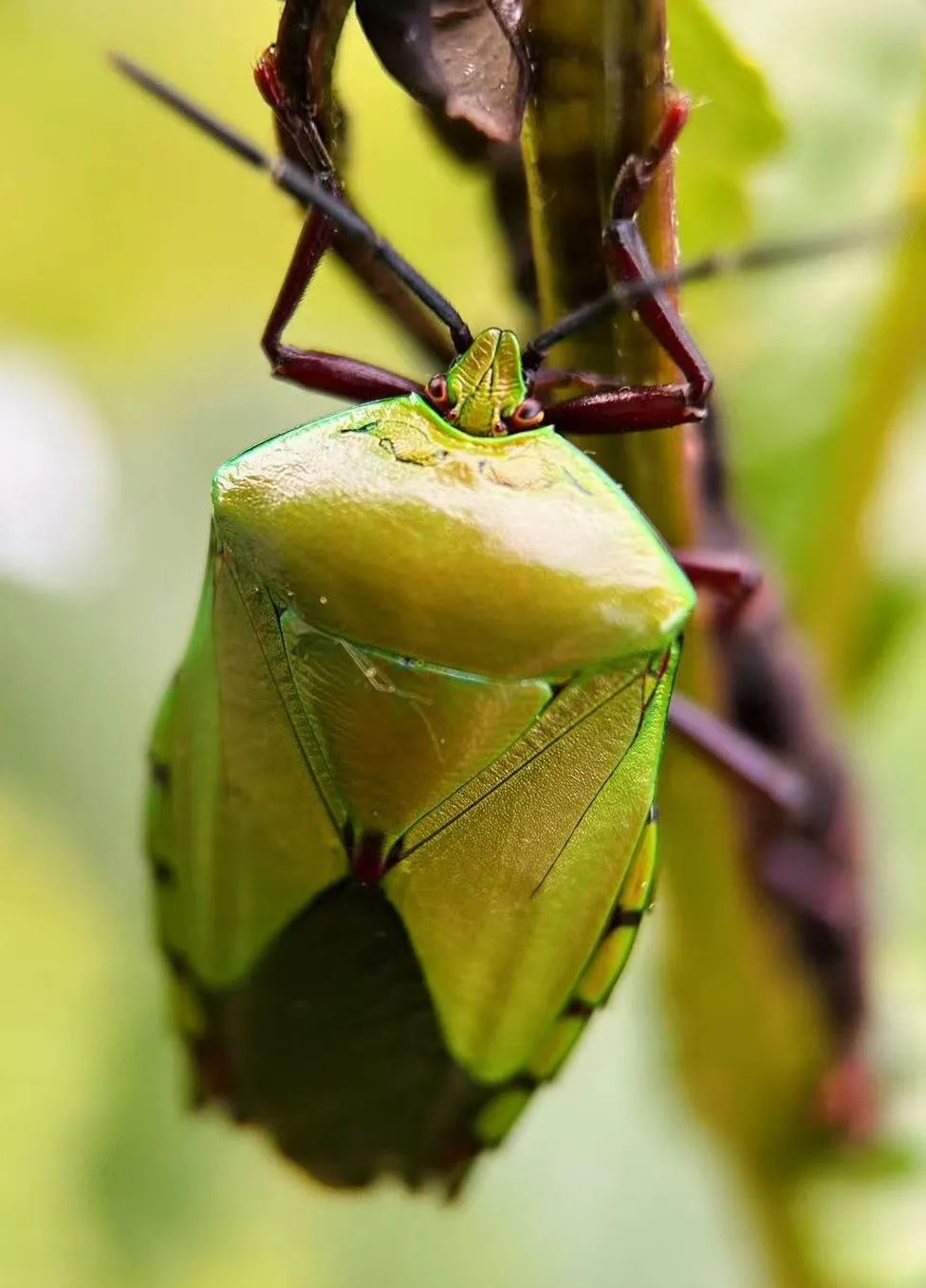
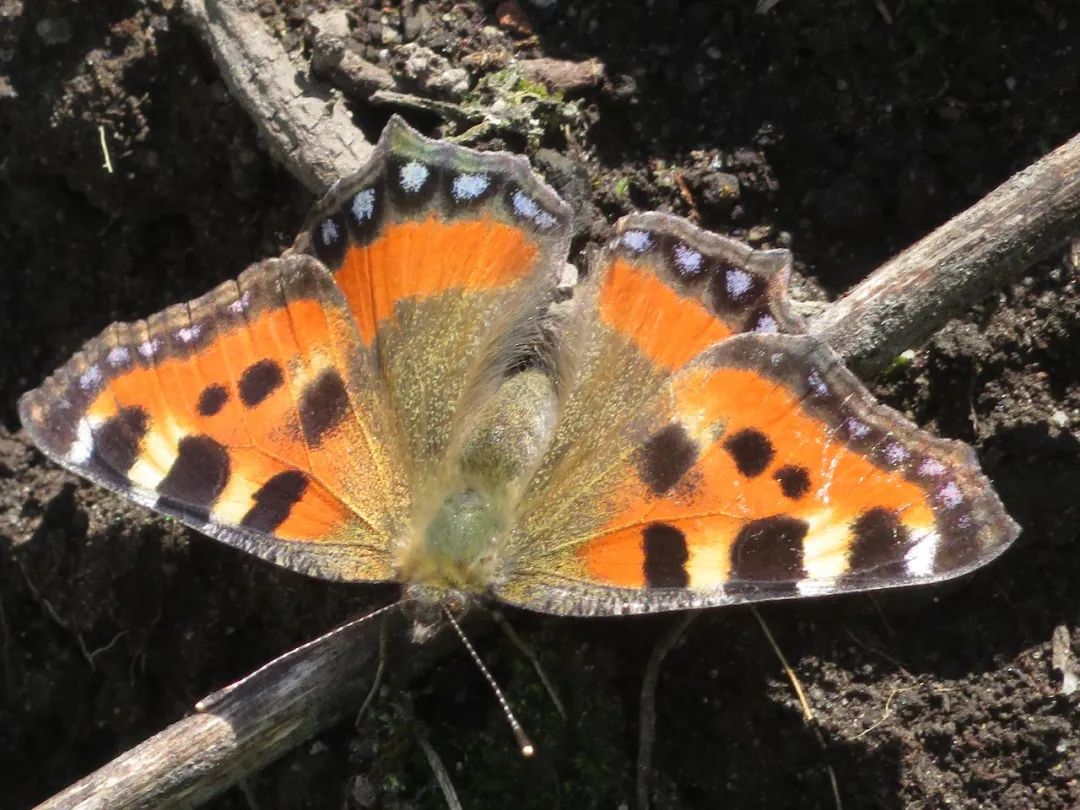
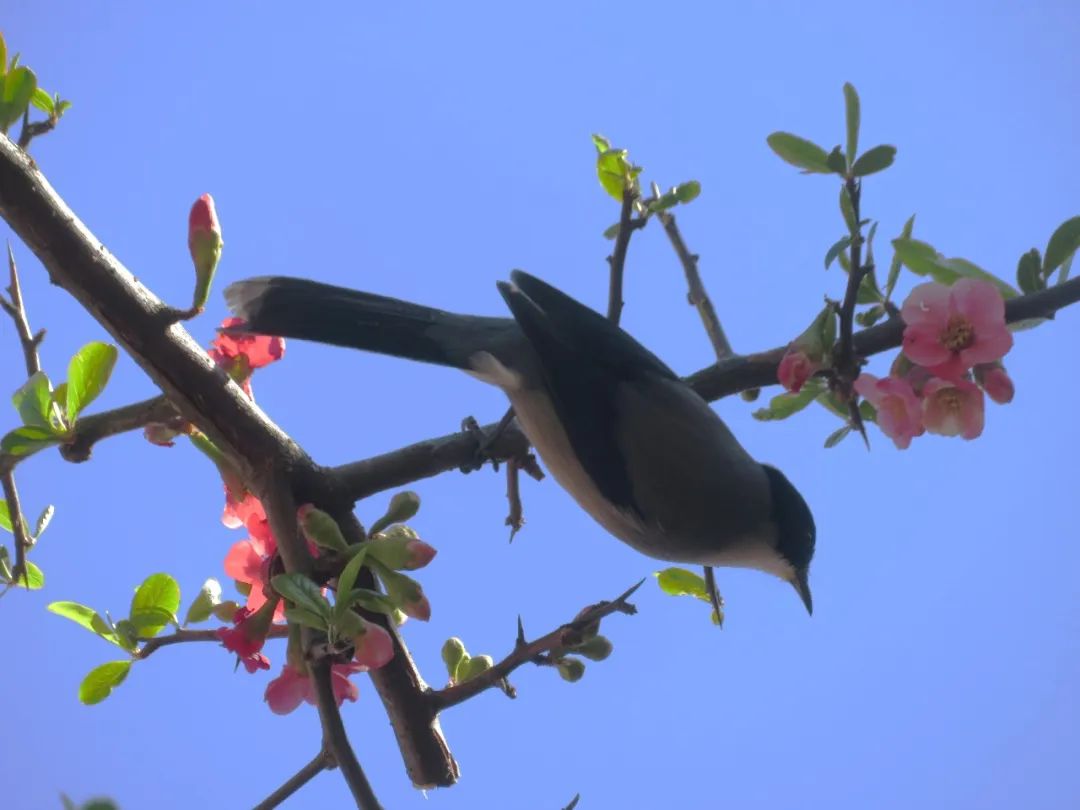
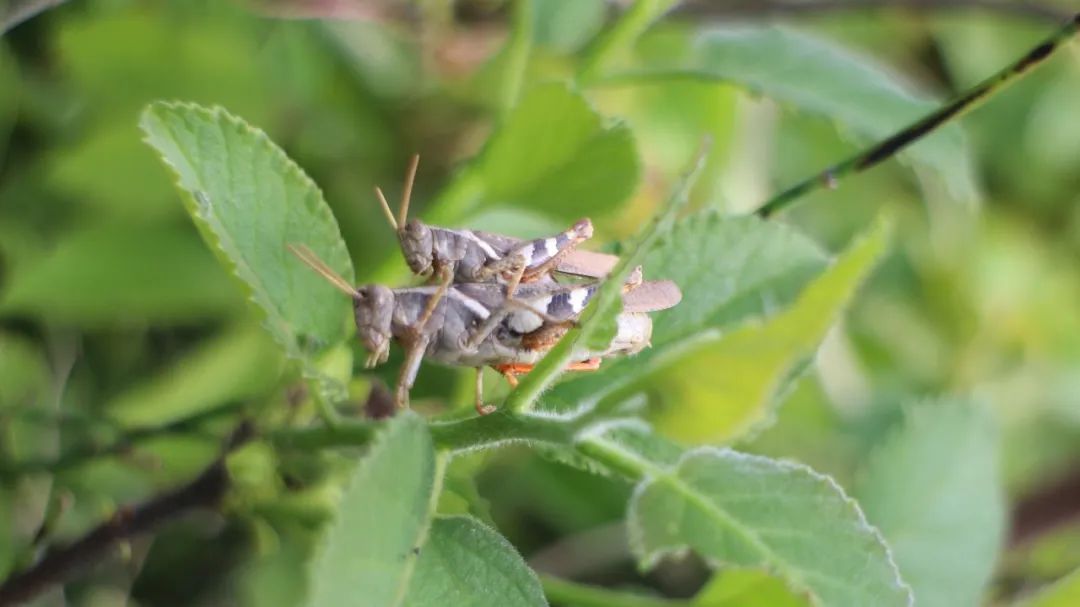
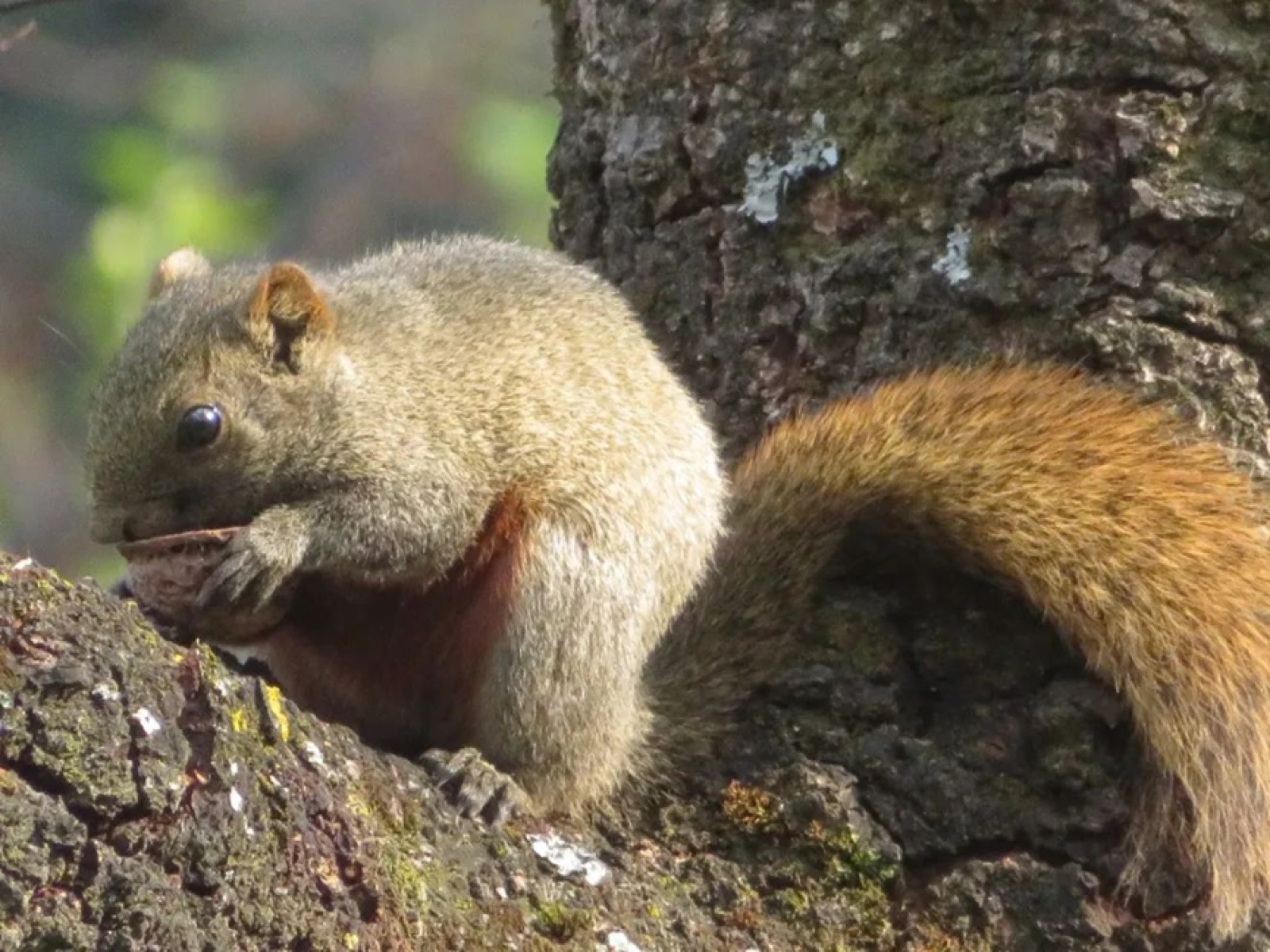
Red-bellied squirrels are regulars here, easily seen playing in the trees. We have also seen Yunnan hare burrows and various colorful forest birds such as black-headed tits, white-throated laughingthrushes, black-faced laughingthrushes, and black-browed tits. In spring, it's easy to find colorful giant shield bug nymphs, short-horned grasshoppers, seven-spotted ladybugs, and various butterflies. In summer, the variety of insects increases further; various leaf beetles, stink bugs, grasshoppers, mantises, spiders, and moths keep emerging, waiting for your eager discovery!
Along the way, we will pass a small mountain temple; the downhill stone steps are slippery, please wear non-slip shoes!
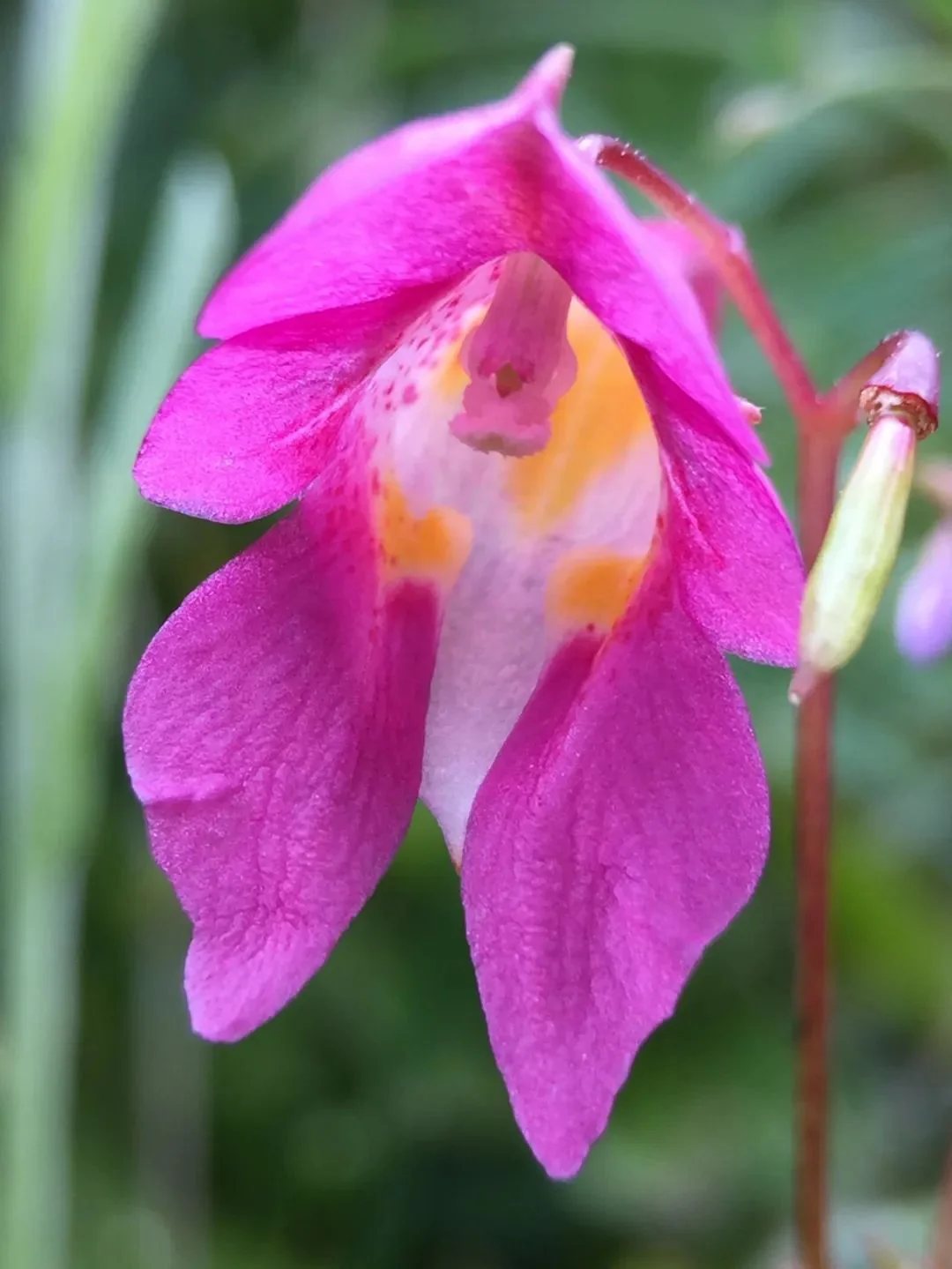
Balsaminaceae, Impatiens, Impatiens yunnanensis
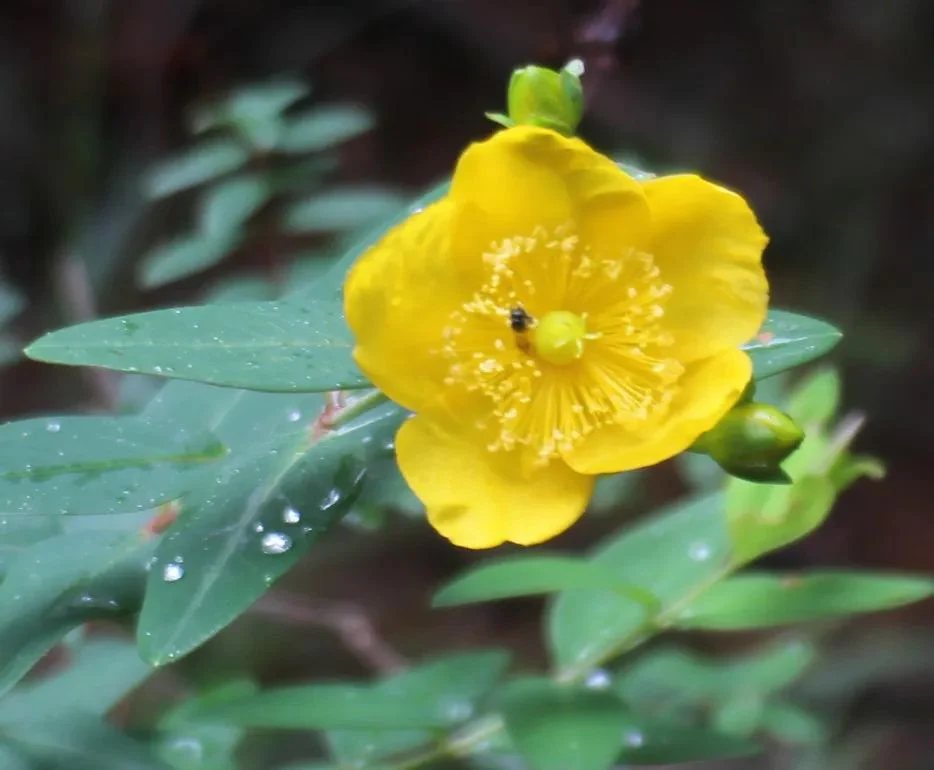
Hypericaceae, Hypericum, Hypericum patulum
Rodentia, Sciuridae, Callosciurus erythraeus
Passeriformes, Timaliidae, Heterophasia melanoleuca
Orthoptera, Catantopidae, Xenocatantops brachycerus
Lepidoptera, Nymphalidae, Aglais urticae
Hemiptera, Tessaratomidae, Eusthenes robustus
Photos