Jason | The Last Week in Kyoto
Today, I am leaving this "three-month dream": living a real life in a completely unfamiliar place—going to school, shopping at the supermarket, cooking, living, cycling into the mountains, and visiting coffee shops. More
June 19
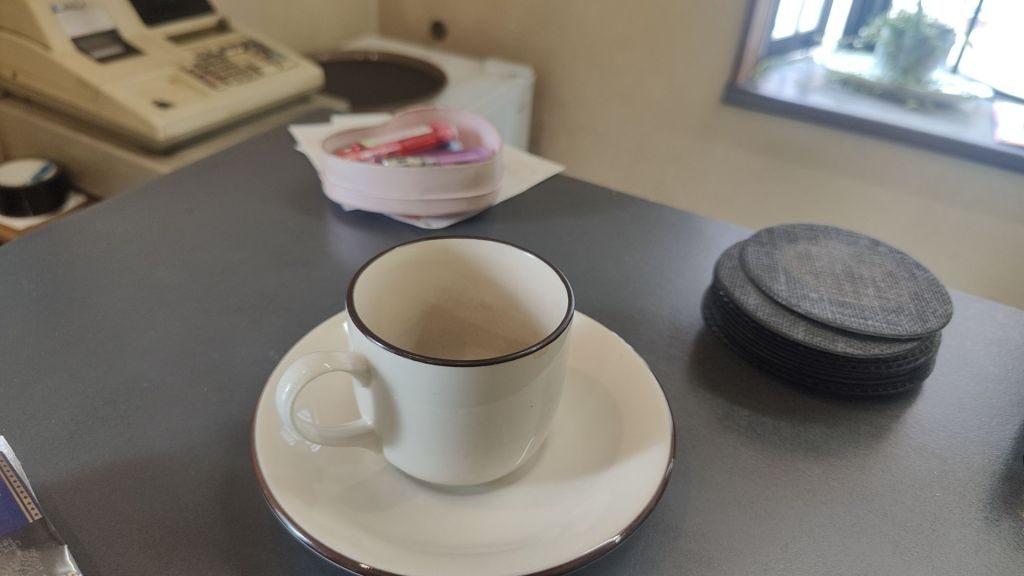
After school, I rode my bike home. On the way to the coffee shop, I saw the old lady Koizumi. As I passed her, I greeted her, saying, "Koizumi-san, watashi wa kissaten e ikimasu." It felt like stepping into a scene from a Japanese drama. Yeah, fun.
Koizumi is a customer I met at the coffee shop. She is 73 years old. She has been to Shanghai on a business trip. I met her when I was paying my bill—she saw me doing Duolingo on my phone. At that time, the shop was crowded, and I was sitting at the counter near the register. She found it amusing and struck up a conversation with me.
The next day, after eating, she let her friend go ahead and deliberately sat across from me to talk. She became my second Japanese friend.
June 20
Today is the last day of school. My term originally ended two weeks ago, but the teacher made a mistake and conveniently extended it to the end of the semester. Anyway, I like going to class. I had originally planned to keep twenty days for traveling.
Since it was the last day, the school had a relaxed atmosphere. Today's class was mainly exams: a listening test followed by a progress test. A few days ago, we had essay and conversation tests. I'm a short-term student, so I have no pressure for advancement. Others do, but they're all doing well enough to pass and not be held back.
On my progress test, I scored full marks in grammar again, which surprised Xiang. After class, the teacher gave certificates to the three short-term students: me, Sabrina from France, and Casspa from Britain. We told everyone we wouldn't be coming back next semester. Next semester, new students will join this class, or maybe the class will be split up—she didn't know. Some people were a bit sad. Elody, a Canadian girl, couldn't hold back her tears.
Yesterday, in Ito-sensei's class—she's the best of all the teachers, everyone's favorite—she has genuine passion and really knows how to teach. Sabrina said that when she said goodbye to Ito-sensei and told her she was the best teacher, the teacher cried. She really is a sensitive person. I wanted to say it too but felt too shy, and now I regret it. I never let her hear that.
Yesterday, we arranged to have lunch together today for the last day, but not everyone wanted to come. It was Sabrina, Elody, Tom, Simone, me, and Xiang. Sabrina brought her younger sister Cindy, who was visiting. We met at "Saizeriya," a cheap Italian restaurant, but the food is really tasty. The place, both inside and outside, had that weekend vibe of local young people—people coming and going, all kinds of folks. It was really great. Everyday living atmosphere always attracts me more than specific famous restaurants.
From ordering to paying, everything is self-service. It was delicious, and I'd like to go there again next time. The cheap sushi place Hamazushi that Xiang took me to last time was also very good.
June 24
I woke up at 2 p.m. Last night, I was watching the Japanese drama "Hirugao" until after 5 a.m. I use it to study Japanese. When I find an interesting sentence I don't understand, I take a photo of the subtitles and send it to AI, which automatically gives a translation and grammar analysis. Very convenient. The plot is also interesting: it's about a housewife tired of her dull daily life, seeking her own romance. A life that is boring and without real attention is truly awful. But it's hard to improve or find love—on one hand, it's difficult; on the other, even if you're lucky enough to find someone who, at least for the moment, cherishes you, trying to escape your current hopeless life is still tough. The once bland everyday society, the people around you who never seemed to care much, can suddenly unleash tremendous force to reject you or stop you.
Ayase Ueto acts very well, and she's beautiful too. The way she desperately rides her bike when she's troubled is very infectious. In Japan, housewives are skilled cyclists, riding smoothly and gracefully.
It's quite realistic. It's easy to fall into boredom and often not be cared for. Deep emotional connection is a scarce thing. Escaping the status quo is much harder than imagined; most people are beginners who flounder and get knocked back. Even in the process of escape, you may discover some overlooked merits of your old life. In any case, it's not easy to feel happiness.
Because I went to bed late at night, I woke up at 2 p.m. I rode my bike to the coffee shop, only to find it closed today. Since my school classes ended, I've been getting up in the afternoon and going to the coffee shop, using a hot towel to wash my face, drinking coffee, eating, smoking, and studying Japanese. Then I cycle into the mountains, exploring each valley one by one. I come home at dark, buy groceries at the nearby Super Vandom, and cook at the sharehouse. After eating, I study, watch dramas, and check YouTube for political gossip.
My day is mostly the same routine, and I don't feel like traveling anywhere else. Rather than going to some big place, I'd rather get to know the nearby valleys, streams, and forests. You make more unexpected discoveries and often find surprises.
Today, without the coffee shop, an important part of the day is missing. I feel like I can't properly start the day. The coffee shop is my most important nest in this place, the most relaxing spot.
So I just ride my bike around aimlessly. On the way into the mountains, there are no such shops. I passed a café, turned in by the river. It only serves coffee and black tea. There were outdoor seats, so I chose that. There were no other customers. The owner was an old lady. I ordered coffee. It's the rainy season, and it was muggy outside, but I wanted to smoke, so I sat outside. I hadn't brought a lighter, so the old lady went inside and found me some matches.
After a while, she chatted with me and asked where I came from. Gradually, she told me that this café had been open for fifteen years. Before, it had a different name, a different décor, and sold more things—desserts and ice cream. Because her health is not good, now she only sells coffee and tea. Her daughter works in Tokyo, is thirty-seven years old, and got married three years ago. She also showed me her wedding photo album. There was a photo of her daughter at sixteen, studying abroad in New Jersey. She had worked at J.P. Morgan and Google. Then she showed me a photo of herself in New York forty years ago, when she looked middle-aged. We communicated in simple Japanese and a few English words.
It's quite rare to chat this much. With the owner and his wife at the coffee shop, I've never had a single idle chat beyond "Kyou wa atsui ne" (It's hot today, isn't it?). Maybe because there are few customers here, the old lady runs the place alone and feels lonely. And I'm a tourist, alone and seemingly idle.
While we were talking, a shower passed. It got heavier, and the muggy heat suddenly turned cool. The old lady said a typhoon was coming. She even gave me an umbrella to use on my way back.
When the rain stopped, I continued into the mountains. Passing a Lawson, I bought an onigiri. Now I found my favorite kind: the mayonnaise tuna onigiri.
While eating, it started raining moderately. I headed home, but on the way it became a downpour. By the time I cycled along the Arugawa River and got home, I was completely soaked.
June 25
Essay practice
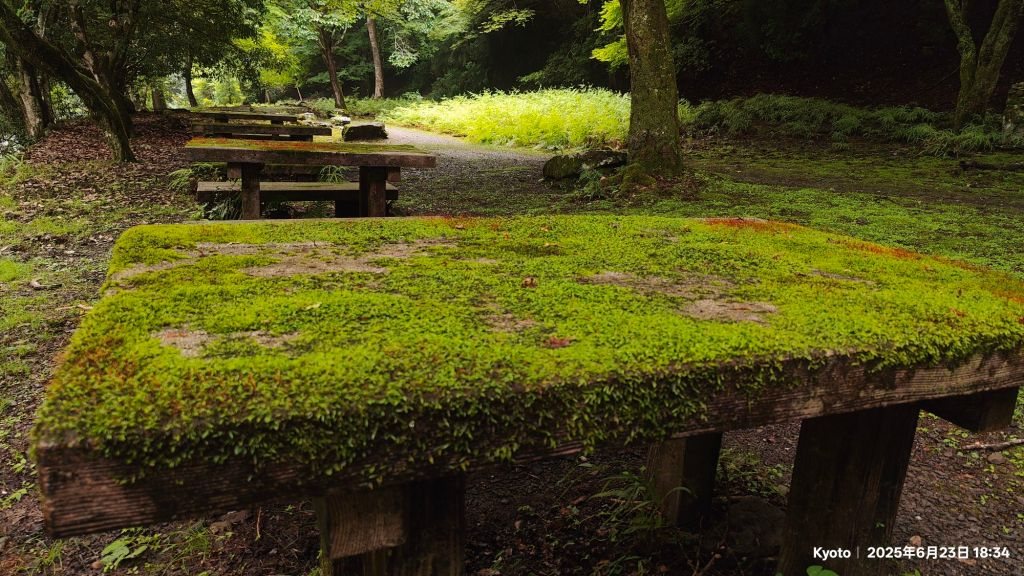
Yesterday, I went to Takao Mountain by bicycle; it was my third time. The first time, I left late. On the second trip, it rained halfway through.
So yesterday, I started early. I departed at 1 p.m., rode my bike all the way to Jingo-ji Temple, then walked up the mountain. I hiked along the Kiyotaki River and sometimes crossed the river. It's early summer, so there was plenty of greenery, and the scenery was very beautiful.
At that time, it was quiet; no one was there. It felt great. I thought I'd like to come again.
At the end, there was a village. You can take a bus back to Jingo-ji, but there was no bus until an hour later, and I'd have to transfer too, so I returned the same way.
June 26
My flight back to Shanghai is the day after tomorrow. My three-month visa expires.
From a certain perspective, this has been one of the best periods of my life—or perhaps the most relaxing. After thirty years, I've lived a campus life again. In 1995, at age 20, I graduated from a technical secondary school and never entered a classroom since. As a kid, I never experienced any fun as a student; I was clueless. Now, I study with great devotion and joy, even though Japanese has no concrete use and my level is still quite elementary.
In an unfamiliar foreign city, you could say I don't know a single person—it's both strange and free. For the first week, I stayed in an internet café, riding my bike to school every day with a large luggage bag. I didn't mind at all; I was very happy.
Later, I found a place online—a shared apartment with all kinds of people: graduate students, apprentices, people coming for yoga certification, visiting scholars, and newly arrived immigrants getting settled. I find it much more interesting than a school dormitory. I told Yaoshi the other day that it's not easy to have such a shared apartment experience, and looking back, it might be the only one in your life, even though it seems ordinary now. He's fresh out of school and might not quite understand—perhaps he half-understood or, out of politeness, agreed with my overly sentimental claim. At 50 (I can't believe it), I have plenty of experience, but of course, experience can't be taught; you have to live it yourself.
This time, I had no financial pressure. Although since I started working, I've never had much money, I've always been optimistic. When I had only ten yuan, I never really worried. These past two years, I've been lucky and saved a bit, so I feel even less pressure.
I no longer have a long-term residence, no furniture or luggage, or any collected beautiful things. Just a big backpack with a few clothes, a tent, and a sleeping bag. Plus my bicycle. I'm free, without attachments. If there's anything else, the van is under He Chen's care, and Zhamao is well taken care of by Li Zhenhao—she plays happily every day.
As for where to go next, I don't seem to have a destination yet.
June 27
At 10:30 in the morning, the housing company arrived promptly to inspect the room. In a few minutes, the move-out was complete. Surya came down and chatted with me. At 12:00 I left, and he said, "I'll walk you out." He said he'd only slept at 8 a.m. and was a bit sleepy; he'd take a nap later. "I sleep four hours a day; most people in research don't sleep much." He said he's going to Dali in August to visit a friend. She was a close friend during his school days, and later she married in Dali but divorced after a year. They hadn't contacted each other for a long time, and she hadn't told him about it. It was her mother who told Surya that she was feeling down. He said he didn't know how to ask. I said, you don't need to ask about the divorce, but you should reach out. It seems they've reconnected.
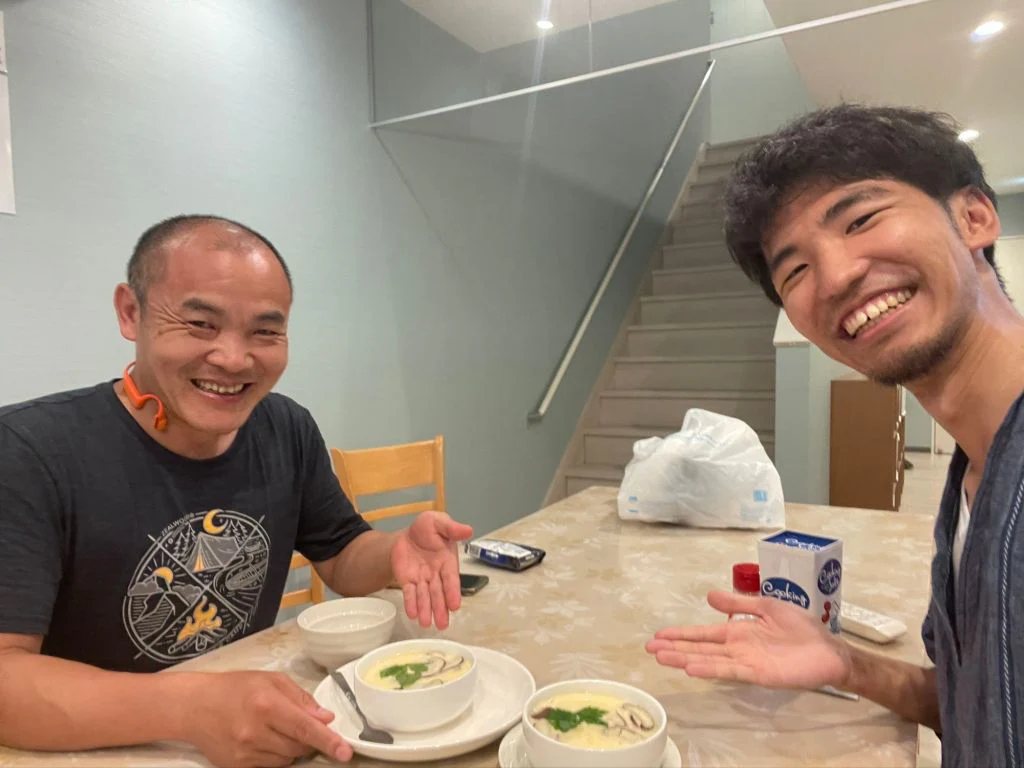
Last night Yaoshi made steamed egg custard for me. We'd arranged it a few days earlier. He said he'd make steamed egg for me before I left. Noah also joined, and we made three bowls: two with chicken, mushrooms, and Japanese parsley, and one for Noah, who is vegetarian, without chicken.
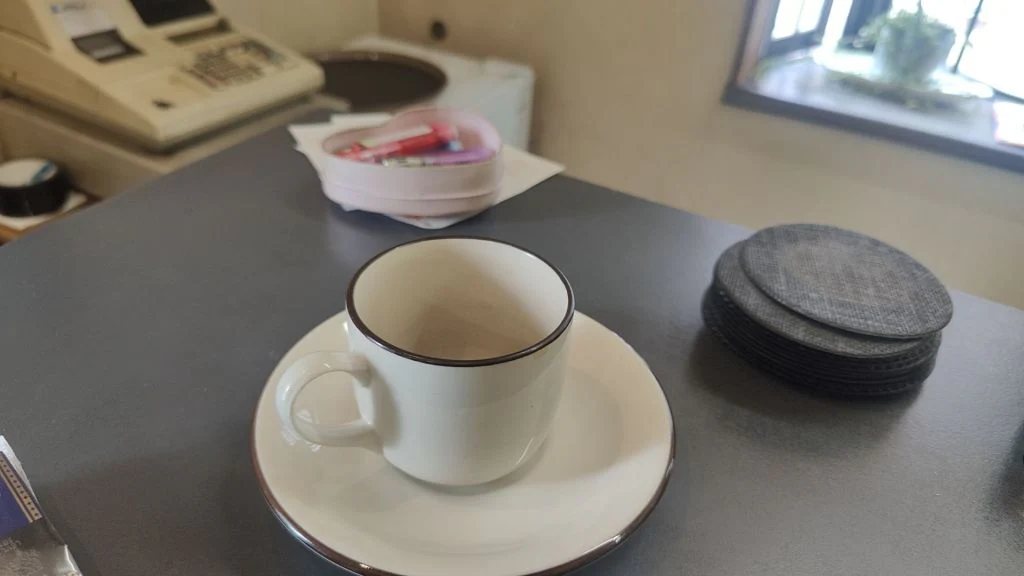
After leaving the sharehouse, I went to the coffee shop for my last lunch and coffee. I ran into Koizumi there, greeted her, and told her I was going to Osaka today to fly back.
Opening Line, I received a photo and message from Yaoshi from last night: "Ling! Thank you for another wonderful day! I am so grateful to have met you and spent such wonderful days with you. You taught me many things, and we also cooked and ate together. These are fun memories and a truly inspiring and valuable experience! I admire your way of thinking and your proactive spirit, and I learn from you. I will definitely see you again! Since we accomplished one promise today, this is our next promise 🔥"
"i just checked this message. I am touched by it. I have left the sharehouse and having lunch at the kissaten now. The time with you is so precious, I saw a a lot of special characters from you. I am sure will meet you again. Ichigo ichie, that is I really feel about the experience with you. I am lucky."
Today, I am leaving this "three-month dream": living a real life in a completely unfamiliar place—going to school, shopping at the supermarket, cooking, living, cycling into the mountains, and visiting coffee shops.
Photos
Continuer à lire
3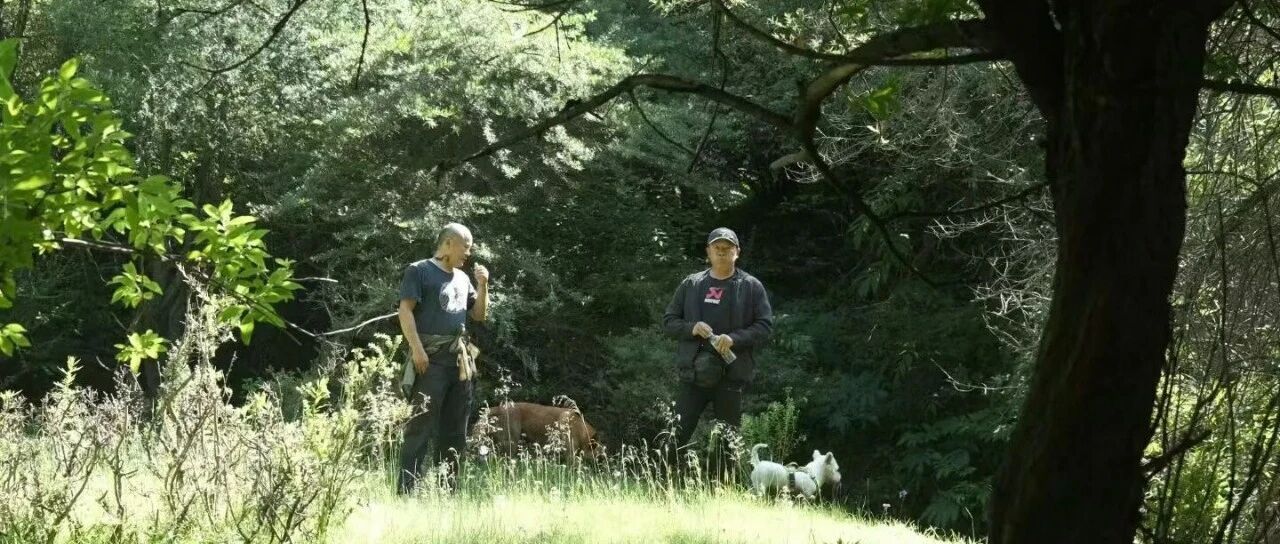
Jason | Using AI to Create Your Own Mini Program/Website
Two months ago in Chiang Mai, I stumbled upon the chance to start learning how to build mini programs. My AI programming mentor, Wangshen, told me, 'Once you finish your mini program, write a summary report.' Now I've completed the new mini program for Cangshan Hiking Home, and it's already being tested. It not only solves problems I've wanted to address for a while, like adding age tags to filter activities and providing an English version, but it has also introduced new features, such as browsing restaurants, guesthouses, and meeting points on a map for a more intuitive experience, and using AI to provide quite intelligent responses.
Learn AI Programming Together
Some information about AI programming
Celebrate the Torch Festival in a Nanzhao Royal Clan Village
Over the past two years, we have taken guests to celebrate the Torch Festival in Songhe Village, Eryuan. Together we slaughtered a sheep, and with the whole village, erected a huge torch in the center of the village square. Everyone made their own torches from hemp stalks, and together with the older and younger villagers, we rushed to grab the blessing baba (cakes) from the big torch, passing blessings to each other with fire. Even for me, a native Bai person, these are rare and precious traditional festival experiences. Dali has endless festivals, and I want to experience them more before they fade away. I remember the Torch Festival of my childhood: torches were no longer enough for me. Before the festival, I would tell my dad to prepare a bucket of waste engine oil and diesel, mix them together, and then I would tightly bind cotton and old cloth with rope into a ball (some kids would secretly take cotton from their quilts at home to make it). Finally, I would make an iron wire ball, soak it in the bucket of oil, and secretly take it out every day to look at it, looking forward to having a great time on the day of the Torch Festival. We would compete in the village and by the rice fields to see whose fireball or torch was more impressive. When the torches and fireballs were almost burned out, we would rush home, walk around the potted fruit trees in circles, and say blessing words, hoping they would grow even better in the coming year.