Liangzi | Farewell, Wuliang Mountain, Farewell, Mexican Girl
Life is like a train; friends who ride with you get off first, and one wave goodbye may be forever. More
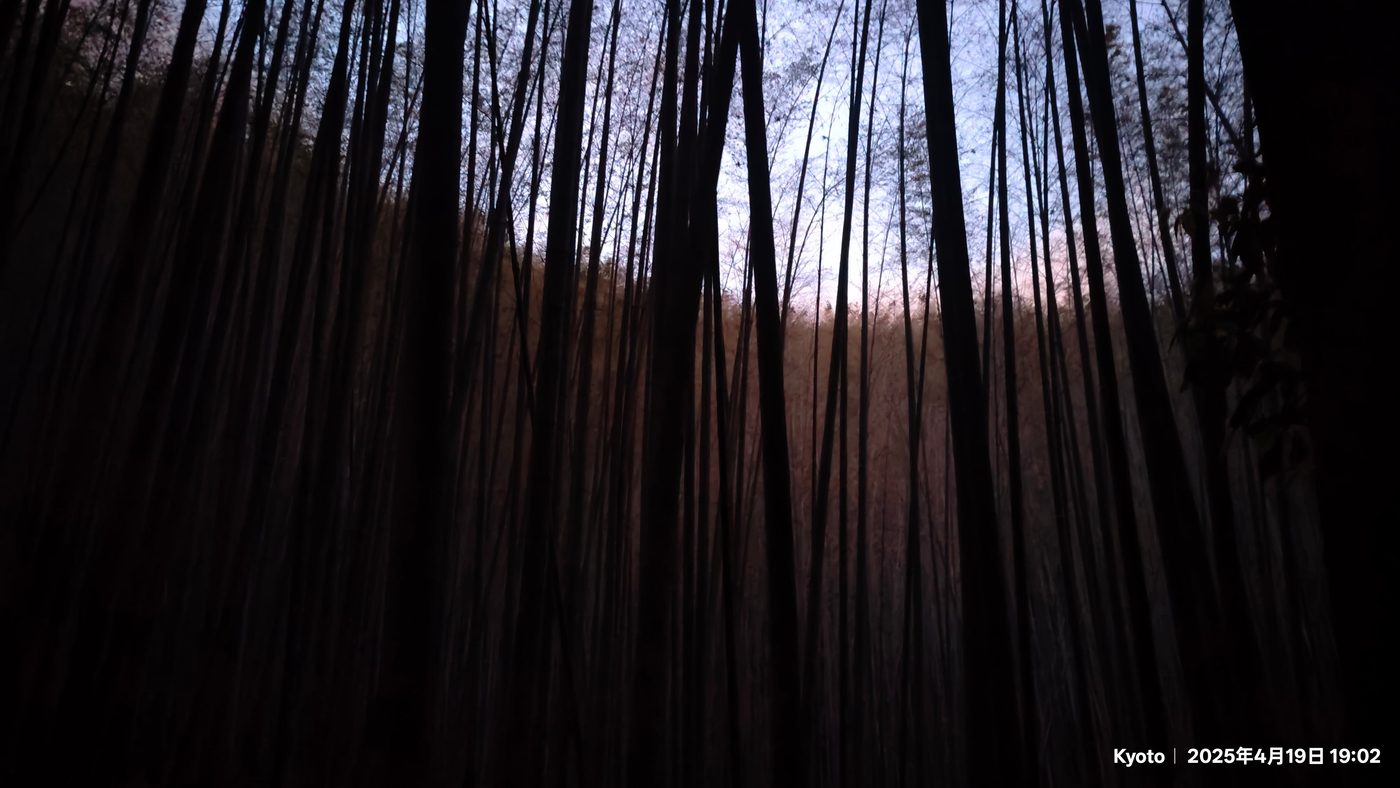
More than ten years ago, I first came to Dali Town and stayed at the Bird Bar on the upper section of Renmin Road.
Taking an evening stroll downhill, apart from a few snack shops, there was little business, and by Yeyu Road it was already quiet.
At the northwest corner of the intersection stood a semi-new, semi-old house with a yellow lamp glowing. At the door were the words for coffee. I walked in and saw a man with glasses and flowing hair earnestly copying calligraphy, so I didn't disturb him and looked around the place on my own.
He knew I had come in, and I knew he knew I had come in. We left each other alone.
When he finished a page of calligraphy, he greeted me and apologized that there was no coffee to drink today. I said it was fine, I just came in to look around. Noticing me looking at his calligraphy practice, he laughed and said he had recently been practicing brush writing, and showed me the tobacco pipes he made, which looked simple and interesting. He also told me he grew coffee on Wuliang Mountain and roasted the beans after harvest.
In the city, I rarely met such relaxed people. We were used to introducing ourselves and exchanging information, not like this—telling stories of one's life without asking names.
After sitting for a while, I got up to leave and said to him like a friend: The copybook you're practicing isn't quite suitable. You're better suited for Wei stele calligraphy. Try copying the Epitaph of Zhang Heinu. Goodbye, friend!
After getting to know Sting, he thought I was an interesting person and allowed me to observe his life.
In that old stone-walled house in Lütao Village, I saw the hippie lifestyle and spiritual world. Although he never labeled himself, my definition of him was a gentle hippie. His friends were the same—they didn't discuss getting rich, speculation, or romance, but focused on themselves. They came from all over and gathered at the foot of Cangshan Mountain to live together, not clinging to the past or longing for the future, just living in the present.
When the sun shone into the courtyard, a few young people sat on reclining chairs, quietly basking in the light. At that time, foldable reclining chairs were everywhere in Dali—a piece of cloth stretched over a frame, like a hammock with stands. No matter how you sat, you couldn't manage an elegant posture, so it was better to just lie back lazily and feel at ease.
Behind the tiled roof ridge was Cangshan Mountain. White clouds rolled across the blue sky, and the dazzling sunlight sharpened the scenery. A calico cat, orange, black, and white, walked across the gray tiles, hesitated briefly, then lay down. It must have felt no threat from these people. Closing its eyes and stretching its paws, I saw its toes, each segment like a peeled mangosteen, bringing joy to the heart.
I observed one person: he stared at a small flower blooming from the cracks between stone slabs in the courtyard for a long, long time, and time seemed to slow down. I also looked at the flower—an ordinary little flower, but because it burst out from a stone crack, its color seemed a bit proud, freely enjoying the breeze. In Japanese, there is a word, "suzume no namida," describing such a trivial thing, as insignificant as a sparrow's tear. At that moment of gazing at a flower, I had no great awakening, nor overflowing happiness, but I gained a kind of good peace.
The scenery here was beautiful, and the people here were relaxed. I too wanted to become such a person in such a landscape.
So I stayed and, like playing house, opened a small general store selling all kinds of interesting but useless beautiful trinkets. The shop was also a small old house with a tiled roof and an attic. I installed a fireplace, kept a fat cat, hung a crystal lamp, and went up and down the creaky wooden stairs, inexplicably happy. Could it make money? I hadn't thought about it; probably not. Would I lose money? I'd see as I went—after all, I was happy at the moment.
Sting came to visit my little shop. I served him tea under the green window grille in the courtyard. He said I looked very happy. I said yes, I just wanted to do things that made me happy—it wasn't grand, and I had already achieved it. The background music that day included a song, "Mexican Girl." Sting got a little excited when he heard it and said he hadn't heard it in a long time. I said I also liked collecting these tears of the times. He laughed heartily.
Sting sometimes brought fresh vegetables and fruits to my shop. Once he brought steamed yam bulbils, which I had never seen before. They tasted powdery and sticky, leaving a deep impression. He described in detail that these were small round balls growing in the leaf axils of yam vines, and that they could also be made into candied hawthorn skewers.
Later, I stopped playing house and changed my life every five or six years, but I never left Dali. I kept in touch with Sting at a frequency of once every year or two, like old friends of the indifferent kind—we didn't ask how each other was doing or what plans we had for the future. We'd have a cup of tea and a smoke, and then drift apart like the Jade Belt Cloud halfway up the mountain.
During the Embroidery House salmon period, I ran into Sting on Pingdeng Road. We stood in the alley and chatted. He retold a joke I had told at a gathering long ago, which even I didn't remember. Regarding a passage Su Tong wrote about drinking tea in Mei Family Teahouse, Sting said that when he later read that passage, he immediately understood that I hadn't been telling a joke at the time, just stating something, but it had the effect of a joke. None of it mattered anymore. The old memes could still trigger laughter, like a secret signal between old friends, understood without words.
The last contact was in the winter of the Jiachen year. He said he was preparing for a new shop and would invite me to eat when it opened, but I could never eat there again. Yesterday at Xiangmu Coffee, I met Sister Mao. She said Sting had passed away. I was speechless for a long time.
He always laughed loudly. He pressed scrap rebar into sturdy square seats. He often wore slippers to the vegetable market. He also rode a KG382, with much more gray hair, still as gentle, witty, and self-sufficient as when I first met him.
When some new friends talk to me about empowerment, private traffic, and profit models, I often drift off and think of those trivial little things I discussed with old friends—like "Mexican Girl," like yam bulbils. Every sparrow's tear leaves a mark. I don't want to forget my original intention: I chose to live here to be a relaxed person without being a slacker.
Life is like a train; friends who ride with you get off first, and one wave goodbye may be forever.
続けて読む
3
Jason | Using AI to Create Your Own Mini Program/Website
Two months ago in Chiang Mai, I stumbled upon the chance to start learning how to build mini programs. My AI programming mentor, Wangshen, told me, 'Once you finish your mini program, write a summary report.' Now I've completed the new mini program for Cangshan Hiking Home, and it's already being tested. It not only solves problems I've wanted to address for a while, like adding age tags to filter activities and providing an English version, but it has also introduced new features, such as browsing restaurants, guesthouses, and meeting points on a map for a more intuitive experience, and using AI to provide quite intelligent responses.
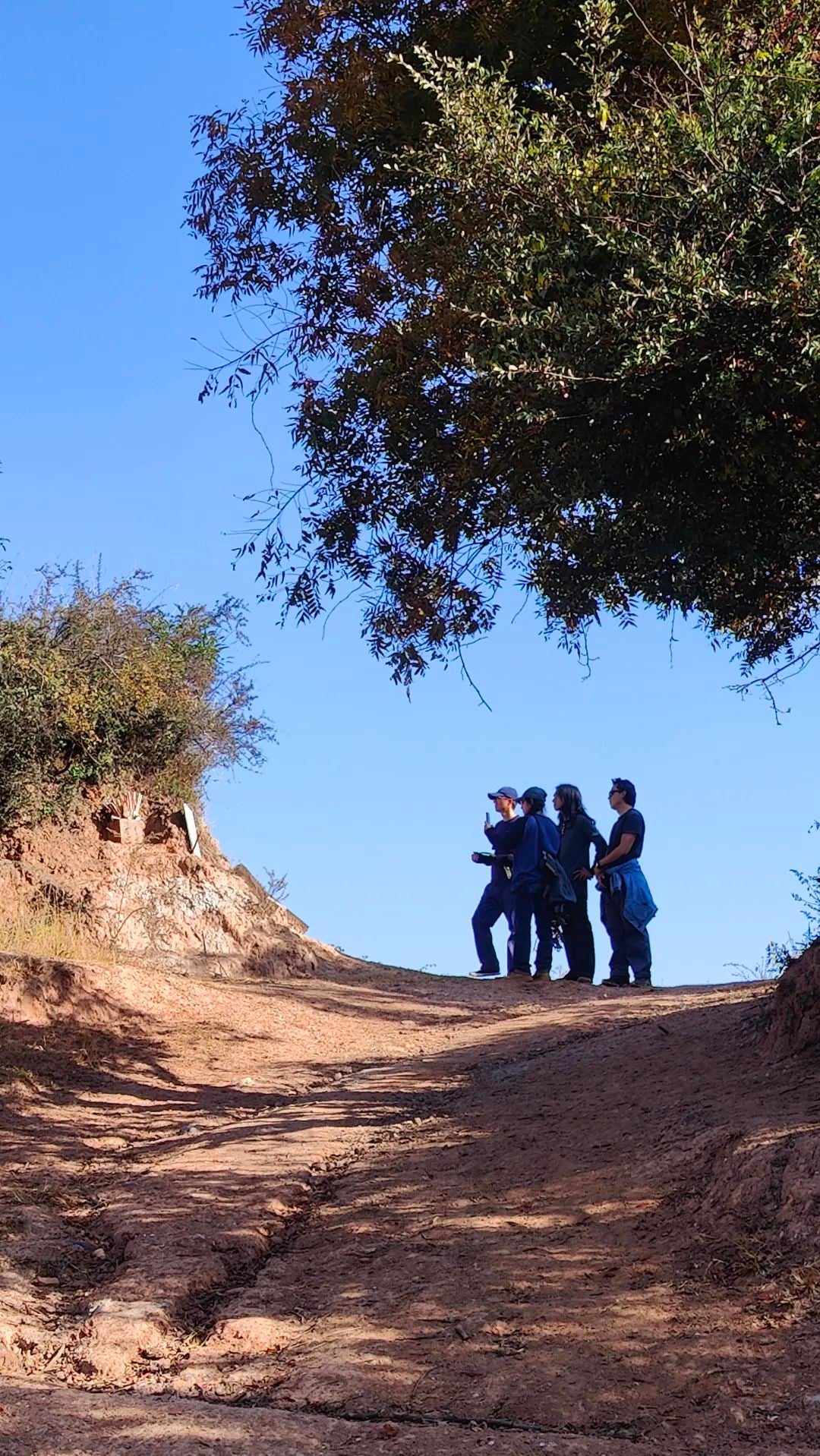
Learn AI Programming Together
Some information about AI programming
Celebrate the Torch Festival in a Nanzhao Royal Clan Village
Over the past two years, we have taken guests to celebrate the Torch Festival in Songhe Village, Eryuan. Together we slaughtered a sheep, and with the whole village, erected a huge torch in the center of the village square. Everyone made their own torches from hemp stalks, and together with the older and younger villagers, we rushed to grab the blessing baba (cakes) from the big torch, passing blessings to each other with fire. Even for me, a native Bai person, these are rare and precious traditional festival experiences. Dali has endless festivals, and I want to experience them more before they fade away. I remember the Torch Festival of my childhood: torches were no longer enough for me. Before the festival, I would tell my dad to prepare a bucket of waste engine oil and diesel, mix them together, and then I would tightly bind cotton and old cloth with rope into a ball (some kids would secretly take cotton from their quilts at home to make it). Finally, I would make an iron wire ball, soak it in the bucket of oil, and secretly take it out every day to look at it, looking forward to having a great time on the day of the Torch Festival. We would compete in the village and by the rice fields to see whose fireball or torch was more impressive. When the torches and fireballs were almost burned out, we would rush home, walk around the potted fruit trees in circles, and say blessing words, hoping they would grow even better in the coming year.