Weed View | Xipo in Spring
Yanzi and I rode in Yang Mi's car because Yang Mi wanted to practice on the winding and steep roads of Xipo. I sat in the passenger seat, and along the way we got on the expressway. It was Yang Mi's first time driving on the expressway in her life. Yanzi, sitting in the back, said to me, 'The first time I drove on the expressway, I think you were sitting next to me too.' Yes, two years ago I drove a van carrying Yanzi and Yang Mi. Now both Yanzi and Yang Mi have their own vans.
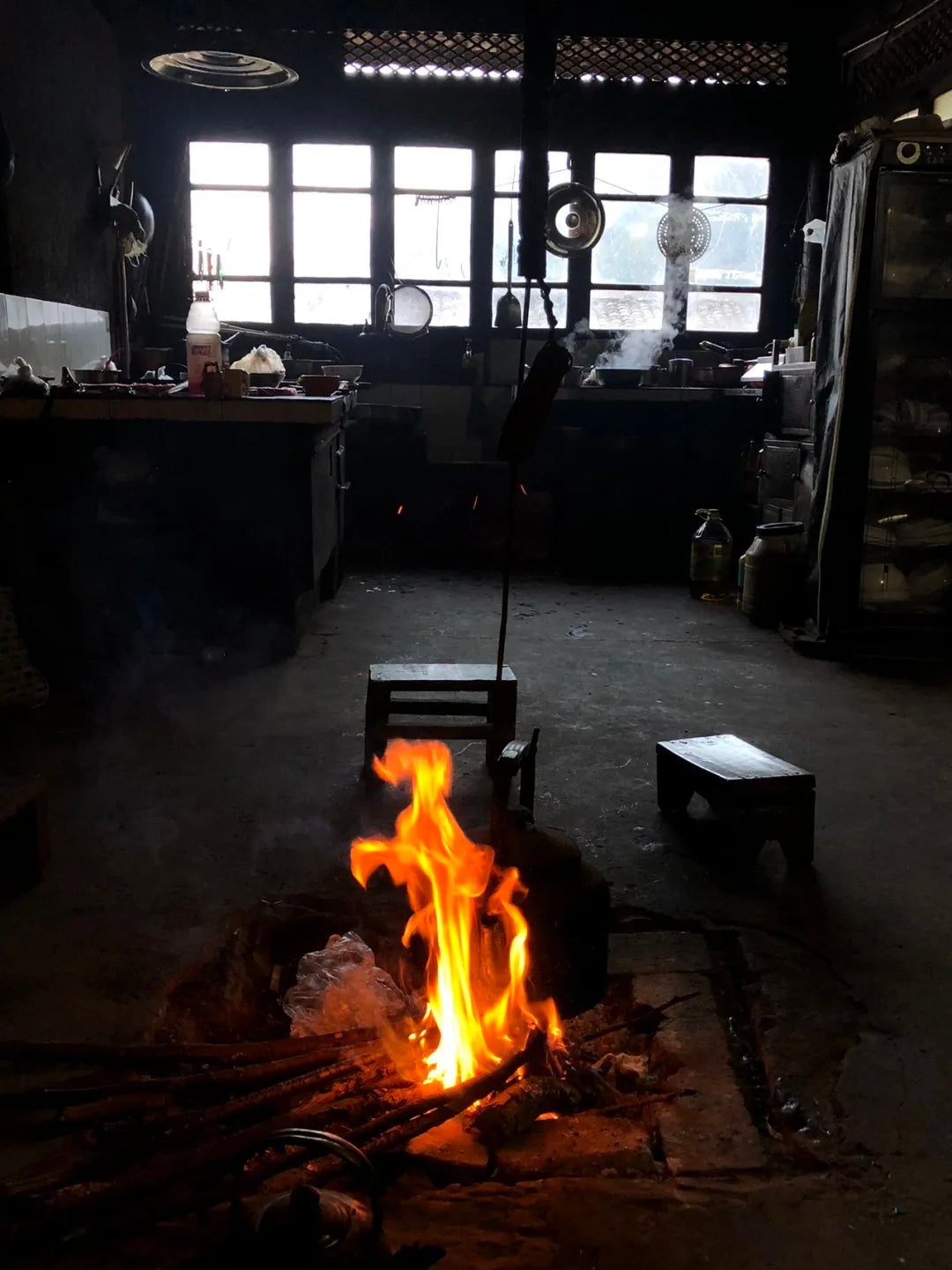
February 5th, sunny
The day before yesterday, in the evening, after Yang Mi finished leading a tour group, she asked if she could come to my place for a while.
It turned out she planned to go back to her hometown in a few days.
"These days, shall we go somewhere and have fun together?" Yang Mi asked.
"Sure," I replied.
So today, I, Yanzi, and Yang Mi went to Xipo for fun.
Yanzi and I rode in Yang Mi's car because Yang Mi wanted to practice on the winding and steep roads of Xipo. I sat in the passenger seat, and along the way we got on the expressway. It was Yang Mi's first time driving on the expressway in her life. Yanzi, sitting in the back, said to me, "The first time I drove on the expressway, I think you were sitting next to me too."
Yes, two years ago I drove a van carrying Yanzi and Yang Mi. Now both Yanzi and Yang Mi have their own vans.
Yanzi got her driver's license one year earlier than Yang Mi. She already had some experience driving on the expressway and could share it with Yang Mi. Along the way, Yanzi and I shared a lot of our own experiences with Yang Mi, who only gripped the steering wheel tightly, nodded seriously in response, and didn't find us annoying.
After getting off the expressway, we turned left and entered the small road heading up the mountain. Within less than five minutes of driving, next to an abandoned house on the roadside with only a few tiles left, a cluster of neatly arranged but obviously naturally grown pink primroses appeared. We were fascinated, stopped the car, and looked for a while. Continuing forward, we were even more joyful. Because these small primroses were everywhere—surrounding the dead tree trunks at the doorways, covering the ridges of the fields, or popping out from the gaps between stones by the creek. The pink wildflowers covered the entire village. Romance was inevitable, but what I liked even more was the mischievous feeling of these little primroses suddenly emerging from every corner after the dry and boring winter.
Last year, opposite the winding mountain road, there was a "waterfall" of primroses. This year, we kept our eyes wide open searching along the way but found none. After arriving at Sister Ayan's house, Yang Mi specially asked about it. It turned out that primroses also have big years and small years. Last year was a big year, and this year is a small year. Sister Ayan and the others call primroses "rotten nose flowers," saying that if you get close and smell them, your nose might rot. I think it's because primroses have a lot of pollen. Just brushing past them leaves white powder marks on your pant legs. But since they gave it that name, it seems the flower isn't very popular around here.
We were about to head to the pasture, and Sister Ayan's son Ruirui joined us. I don't remember if he's five or six years old. But coincidentally, he didn't remember me either. Despite our glorious history of being mushroom-picking partners several times last summer—he led us to pick several baskets of orange-yellow amanita mushrooms, a record that hasn't been broken since. However, even though he didn't remember my face, he still remembered the mushroom picking we did together.
Ruirui wore a pair of oversized white high-top leather shoes and dragged the trekking pole that He Chen had given him behind him, walking in front. From time to time, he introduced us to the things growing on the slopes. He said that the leaves of the fragrant white pearl (Gaultheria fragrantissima) crackle when burned in a fire. We only knew that the leaves of the fragrant white pearl can be used to extract essential oil.
But he seemed a bit low-spirited today. After only fifteen minutes of walking, when we reached the meadow, he said, "Let's rest here."
In the end, we abandoned him and continued forward.
On the camellia trees, there were flower buds. When we came last year, it was January, and the camellias were blooming even better than now. Why is that?
We reached the pasture. In summer, the fields are full of bracken ferns; now they've become yellowed, dry firewood. On the hillside, a single red horsetail tree flower (Rhododendron arboreum) was blooming alone. Yanzi said it looked like a scene from an Abbas Kiarostami film.
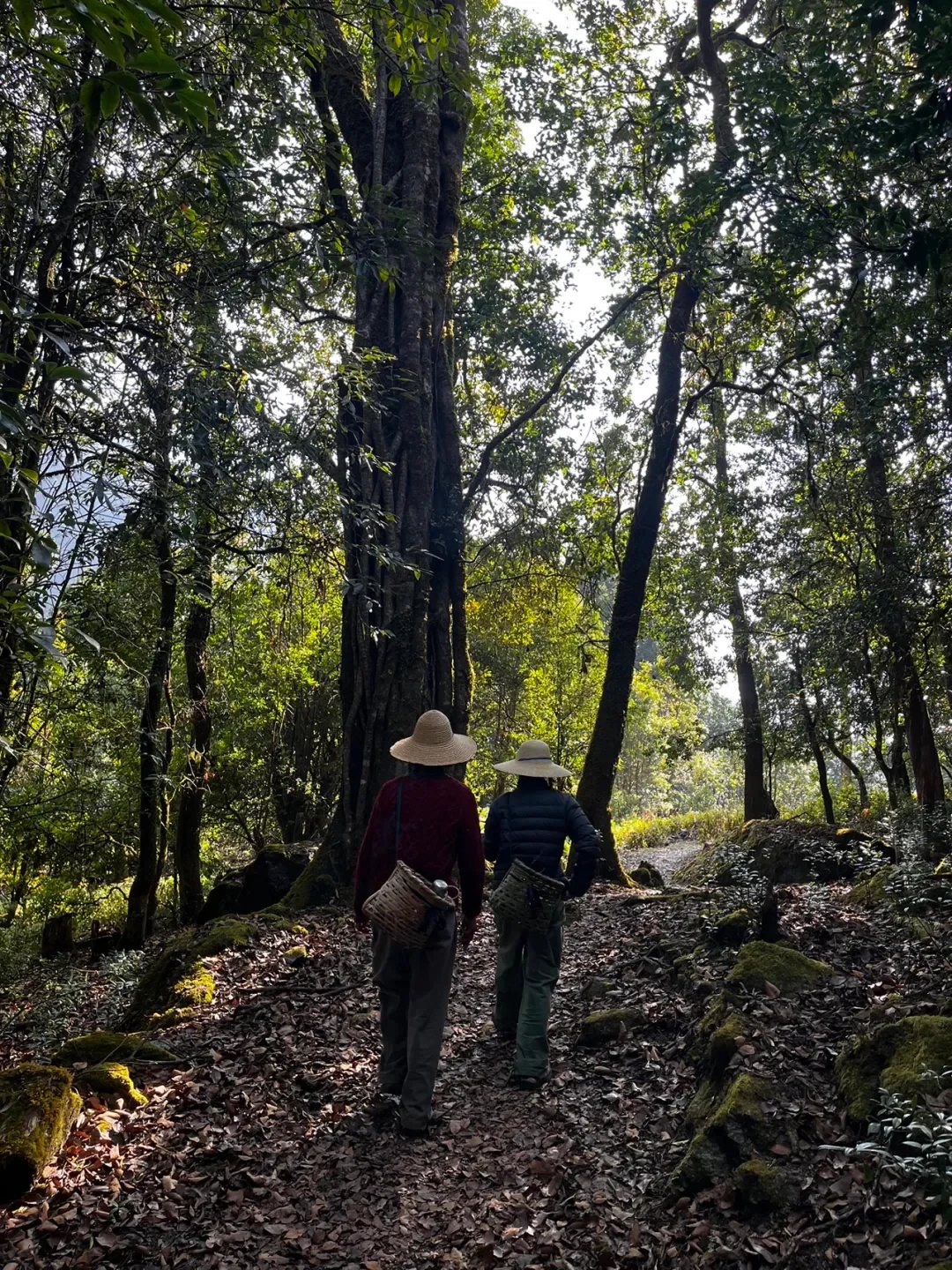
I used my phone to record their backs as they stepped over the yellowed grass and walked toward the red horsetail tree flower.
We didn't find a proper path to the creek. Yanzi wanted to tough it down a cliff-like steep slope. I glanced at the large patch of nettle leaves below the cliff. "How about we just forget it?" I said.
We returned to Sister Ayan's house at a little past four. We had dinner together with Han Han and a mother-daughter pair of guests he had brought. Yang Mi and I each ate several bowls of rice in one go—Gaohe greens (a local wild vegetable) were simply too delicious.
Gaohe greens are a kind of wild vegetable unique to this area. Han Han said you have to climb for several hours to pick them. The green leaves come with stems. When fresh, they are picked and pickled. After pickling, they become like pickled cabbage—a sour vegetable with a hint of mustard flavor. Yanzi planned to pack a portion to take home for her friend to taste as well.
This kind of pickled vegetable with a mustard-like pungency—I often ate it as a child, but it was made from a different vegetable, in Hunan. It wasn't a wild vegetable but an ordinary leafy green planted regularly; I didn't know its name. Back then, I didn't like eating it as a child because it was too spicy. Now I love it.
After dinner, Yanzi went down the mountain back to Dali in Han Han's car. Because tomorrow is the March Street festival, which is Yanzi's fixed market day. Yang Mi and I stayed overnight at Sister Ayan's house. After they left, the two of us continued to drink, using the leftover Gaohe greens scraps as a snack. Sister Ayan saw this and brought another bowl of Gaohe greens to add to the scraps. Yang Mi drank a small cup of wine and was already dizzy. It seems my tolerance is better than hers—I only started feeling dizzy after finishing a small cup and adding half a cup more.
After dark, Ayan started a fire in the kitchen. We sat around the flames. Tonight, Ayan's husband Haoran wasn't home. Ayan said he had gone back to his own home; Haoran's family home is in another village below the mountain. The bamboo basket I carried up the mountain today was woven by him last night, and it still had a rich bamboo fragrance. Ayan said that on Haoran's family's land, if you plant corn, you can just sow it and it will produce big ears of corn. But her own land is different—the corn grown there never turns out well, maybe related to the altitude.
In daily life, Ayan and Haoran take care of both households at the same time.
After Ayan finished her work, she went over and confiscated the phone Ruirui was playing—the game "Glory of the King" (Chicken Eating). She brought over a tall stool, homework books, and a nylon bag of dried walnuts that had been sun-dried. While tutoring Ruirui on his homework, she used a hammer to crack open the walnut shells. Ayan was responsible for cracking the shells, and her mother was responsible for extracting the nut kernels.
While my fingers were busy knitting, my ears caught Ayan saying to Ruirui: "How come you don't recognize any characters at all?" Haha, it wasn't a scolding tone, more like teasing.
During this time, Ayan asked about the marital status of our tour leaders. I stopped my knitting and thought for a moment. Among the tour leaders Ayan knew, it seemed none of them were married. When I thought about it, it felt amazing. Before answering, I looked at Yang Mi to confirm the answer together.
Sister Ayan's eldest son is 16 years old and is said to be in his rebellious phase. I took the liberty of asking Sister Ayan's age. It turned out she is the same age as Yanzi—34 years old this year.
Photos
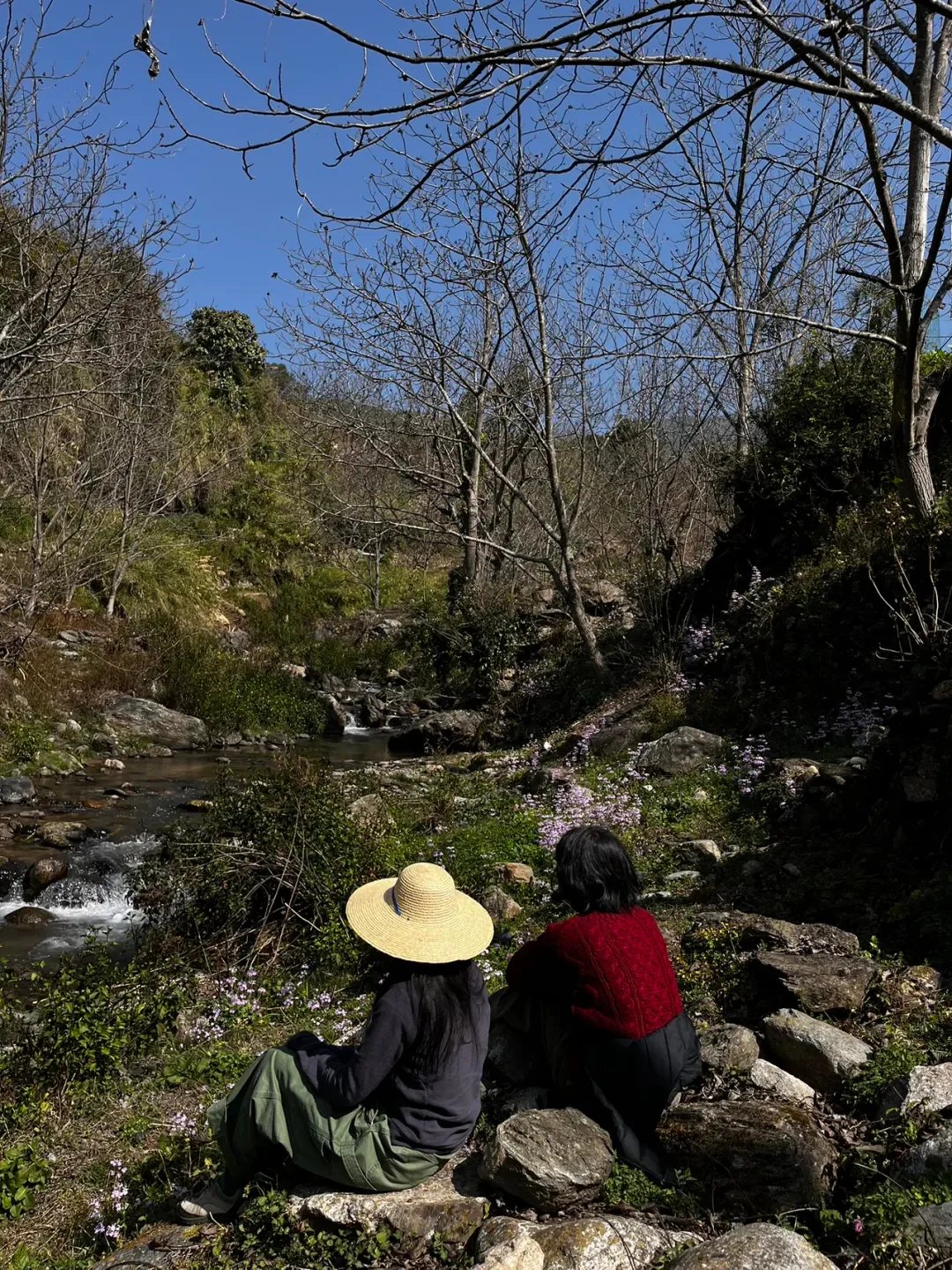
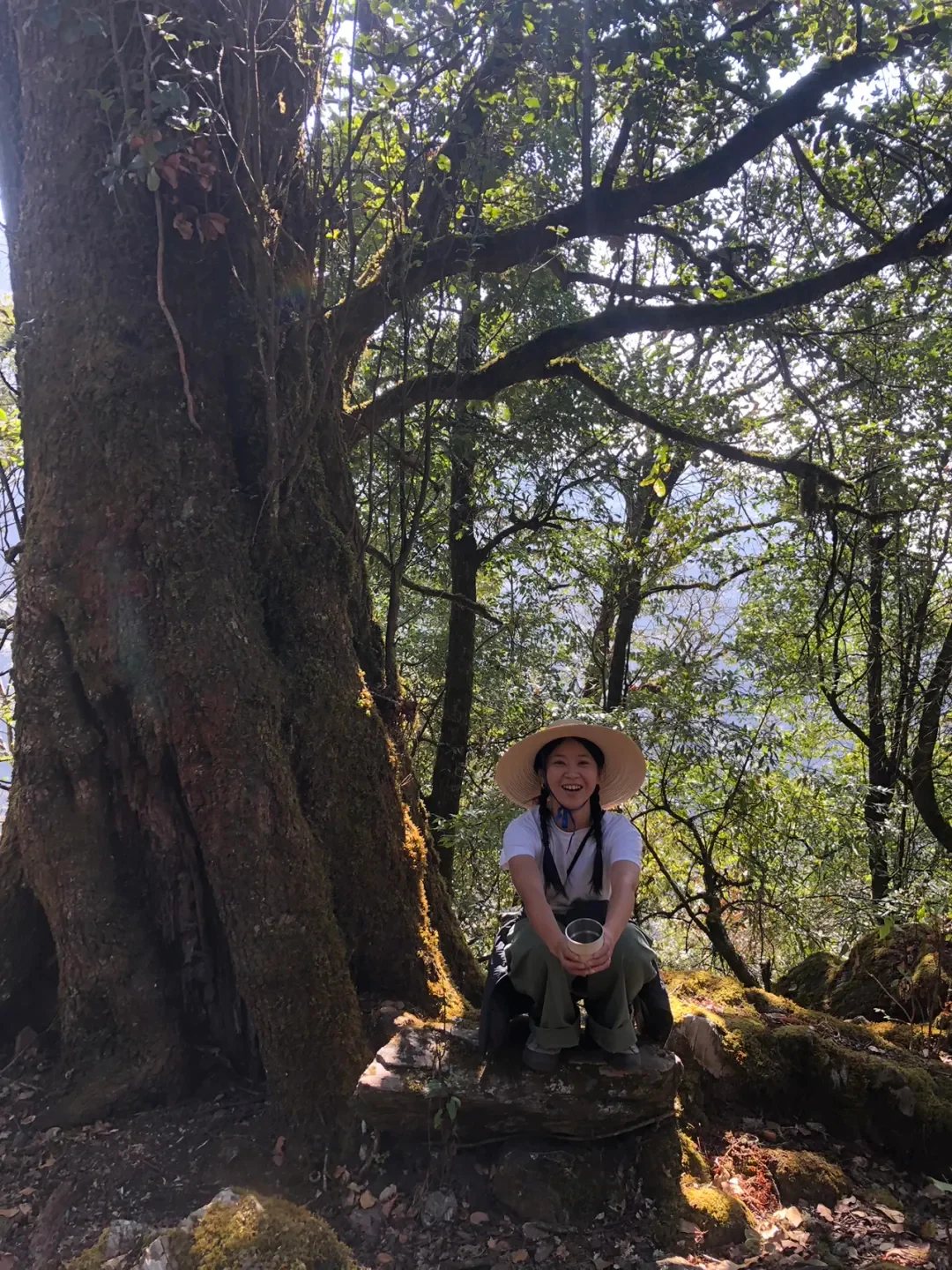
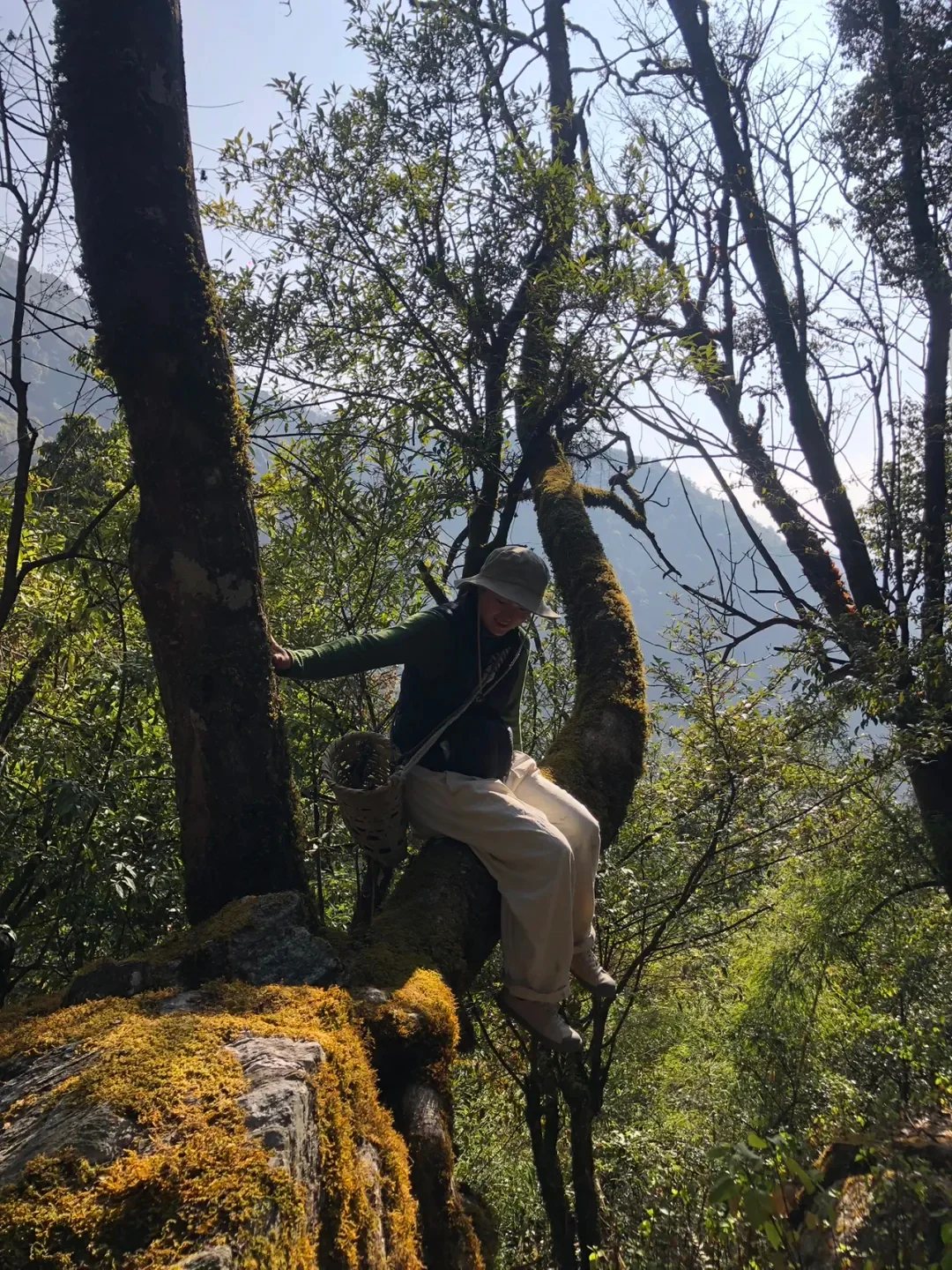
Keep reading
3
Jason | Using AI to Create Your Own Mini Program/Website
Two months ago in Chiang Mai, I stumbled upon the chance to start learning how to build mini programs. My AI programming mentor, Wangshen, told me, 'Once you finish your mini program, write a summary report.' Now I've completed the new mini program for Cangshan Hiking Home, and it's already being tested. It not only solves problems I've wanted to address for a while, like adding age tags to filter activities and providing an English version, but it has also introduced new features, such as browsing restaurants, guesthouses, and meeting points on a map for a more intuitive experience, and using AI to provide quite intelligent responses.
Learn AI Programming Together
Some information about AI programming
Celebrate the Torch Festival in a Nanzhao Royal Clan Village
Over the past two years, we have taken guests to celebrate the Torch Festival in Songhe Village, Eryuan. Together we slaughtered a sheep, and with the whole village, erected a huge torch in the center of the village square. Everyone made their own torches from hemp stalks, and together with the older and younger villagers, we rushed to grab the blessing baba (cakes) from the big torch, passing blessings to each other with fire. Even for me, a native Bai person, these are rare and precious traditional festival experiences. Dali has endless festivals, and I want to experience them more before they fade away. I remember the Torch Festival of my childhood: torches were no longer enough for me. Before the festival, I would tell my dad to prepare a bucket of waste engine oil and diesel, mix them together, and then I would tightly bind cotton and old cloth with rope into a ball (some kids would secretly take cotton from their quilts at home to make it). Finally, I would make an iron wire ball, soak it in the bucket of oil, and secretly take it out every day to look at it, looking forward to having a great time on the day of the Torch Festival. We would compete in the village and by the rice fields to see whose fireball or torch was more impressive. When the torches and fireballs were almost burned out, we would rush home, walk around the potted fruit trees in circles, and say blessing words, hoping they would grow even better in the coming year.