Jason | Qiqi Restaurant
I didn't know Qiqi well either, having only met her once or twice. All I remember is that she had short hair, a brisk and decisive manner, and rode a motorcycle.
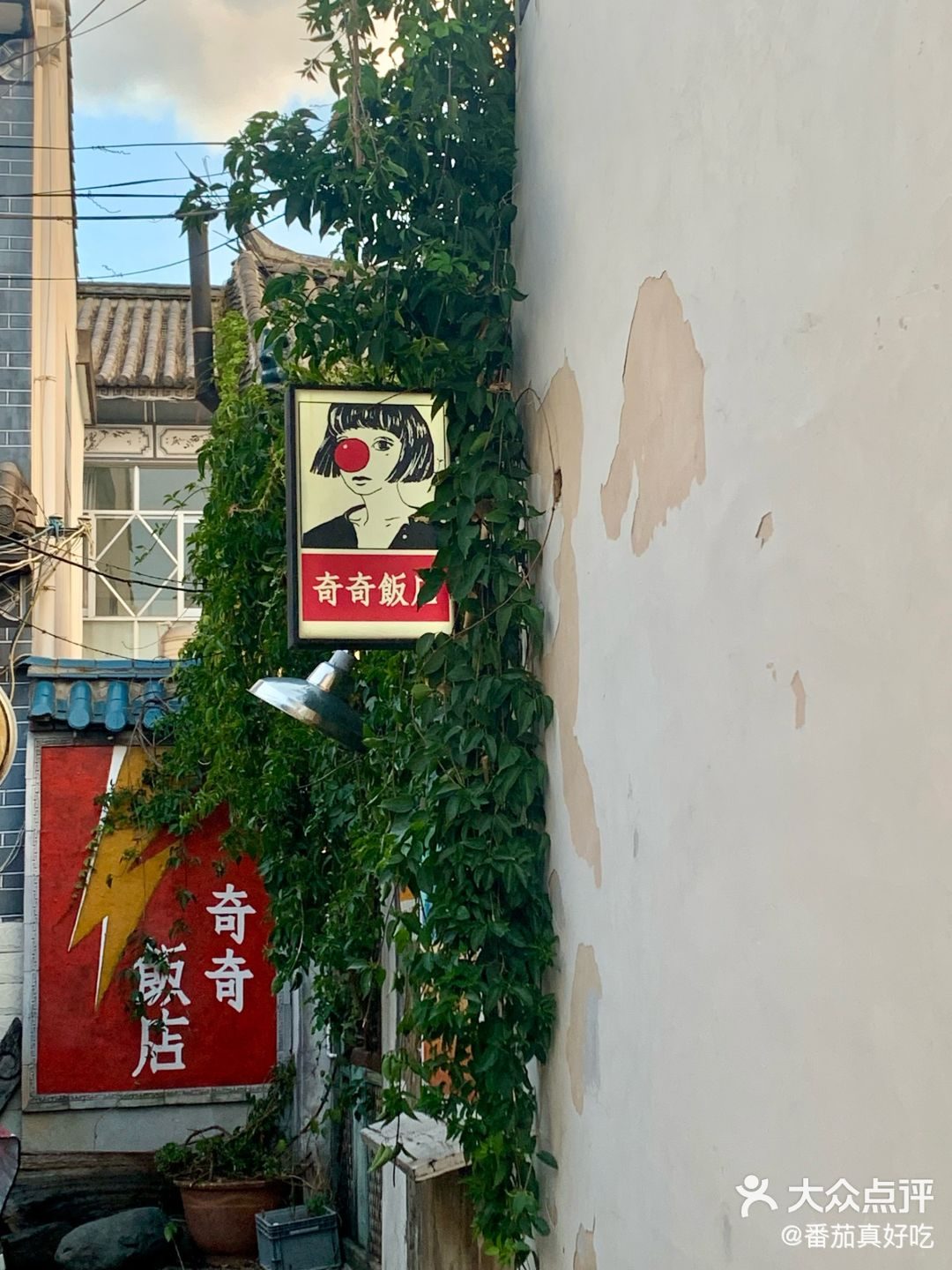
One night, I stumbled upon a post. The author said they had visited a restaurant in Dali Old Town called Qiqi Restaurant out of admiration, but were dissatisfied with both the service attitude and the food. Below, others chimed in with criticism, in that clever "it's bound to be so" kind of way. During the peak season, with so many people, slow service was deemed arrogance; if the taste didn't suit them, they judged that others shouldn't like it either, and of course, all the positive reviews must be fake.
I've encountered a few guests like this myself, so it wasn't surprising. But seeing Qiqi Restaurant reminded me of some people and events from the past.
It's already been two years. I had a friend named Wang Yong. He was a poet and also, over the past decade or more in Dali, the most well-known street vendor, making a living selling CDs on the street. He said the owner of September Bar was kind enough to let him set up a stall by the entrance, and sometimes he would passionately recite his poems inside the bar. He could tell stories—his own stories—that often struck a chord in people's hearts. Guests found him fascinating and often bought his CDs as a form of support, even though many didn't have CD players, and some didn't even take the CDs with them. He told me all this when he came to eat at Midnight Diner. He would also vividly reenact the stories he'd told the guests. When he got emotional, he'd stand up and act out the scene in the narrow space between tables and chairs. I was often moved as well, so I could imagine that travelers, in a strange ancient town, hearing such bizarre and poignant tales, couldn't help but be touched.
Wang Yong was a poet—not just because he wrote poetry; his life experiences, his choices, and even his departure from this world were all poetic in nature. Born in the 1970s, he grew up in a collective factory. In his youth, he was a hustler, getting into fights and collecting debts. He loved music, and Zhang Chu was his lifelong idol and a friend in his heart. Later, he left the factory and wandered, living in poverty, washing dishes to barely scrape by. He married a female screenwriter from Taiwan during his time in Dali, and as Dali's utopia rose, he became famous. Those were the most glorious years of his life. But soon, with a new wave of commercialization, he and September Bar were pushed off Renmin Road. September retreated to a courtyard in a deep alley, but he tried several times and never found a place where he could peacefully settle down and continue his stall. He couldn't return to a quiet life, even though the spotlight had already dimmed. Later, a malicious rumor accused him of abusing his dog, and he lost his spirit, fading away in melancholy. Eventually, he discovered he had severe diabetes but refused treatment, confined to a guesthouse for months, growing weaker. Until he could no longer walk, and with considerable effort, he returned to his hometown. Half a year later, news of his death came. Before he left, I sent him to the bus station. He said, "I've lived two lifetimes in one, so I've got my money's worth."
I remember the last story Wang Yong loved to tell: "One year, Tingwei came from Taiwan to visit me in Dali. I had Tingwei make pasta and invited many friends over to eat. After Tingwei left, I brought a lot of pasta and cheese to Jason at Midnight Diner, saying, 'Let's count these as ten meals for me.' But the more I went on, the more reluctant I was to eat them. Each meal felt like Tingwei was still here, and I didn't want to finish them too quickly."
After that, the two never met again.
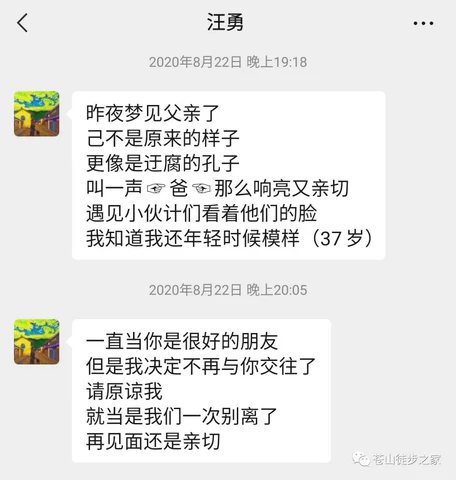
Now he's been gone for a year and a half. Back then, before his body had deteriorated drastically, he was just thin and sensitive to cold. He would come to my place at Guanyintang every now and then to chat. Sometimes he was in a dark mood; sometimes he said he'd found a new spot for his stall, had already paid a deposit, and was full of ambition, ready to start over. Then there was no follow-up—probably he found it unsuitable again. As diabetes weakened him, he came less and less often. He didn't want to go to the hospital; maybe he didn't trust doctors, or maybe he was just tired of this life. After I insisted on taking him to the hospital twice, a few days later, he sent me a message:
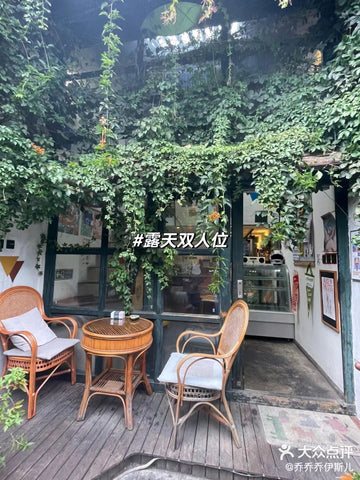
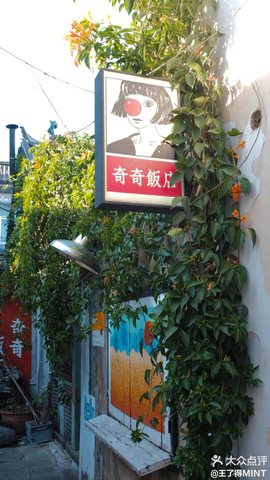
Soon he came to me again, saying that during the day he barely left the guesthouse, feeling low and not wanting to run into acquaintances. He only went out late at night, slowly walking to Qiqi Restaurant for some soup and a little food. Qiqi Restaurant is in a small alley off Renmin Road, open until late, with few customers. By then, he could barely take care of his own hygiene—though, of course, he had never been particularly clean. He carried an odor that even I often found hard to bear, and others avoided him. He said Qiqi treated him very well, and he was willing to go there.
Around that time, Qiqi also messaged me, saying she felt Brother Wang Yong seemed unwell and wondered if he was seriously ill. A few days later, she asked which guesthouse he was staying at, because she noticed he hadn't come for several days. Fearing he had nothing to eat, she had stewed chicken soup and wanted to bring it to him. I sent her the guesthouse address, but knowing he didn't want to see anyone and worried he might be troubled, she left the soup at the front desk. The guesthouse owner told her that Wang Yong had ordered takeout that day, which put her at ease. She and Wang Yong hadn't known each other before; he had only visited her restaurant a few times.
I didn't know Qiqi well either, having only met her once or twice. All I remember is that she had short hair, a brisk and decisive manner, and rode a motorcycle. The first time I heard of her was when she planned to take over the small courtyard of our former Earth Kitchen, intending to learn cooking at Midnight Diner. My friends around me weren't in favor, as it seemed rather unreliable. He Chen was in charge of teaching her at Midnight Diner. He said, "I'll teach her while trying to talk her out of it."
After reading that critical post, I searched for Qiqi Restaurant again and found numerous sincere positive reviews. One was recommending another place, but it opened with: "When you go to Dali, don't just know Qiqi Restaurant's fried rice."
I was truly glad she had achieved all that.
Photos
Weiterlesen
3
Jason | Using AI to Create Your Own Mini Program/Website
Two months ago in Chiang Mai, I stumbled upon the chance to start learning how to build mini programs. My AI programming mentor, Wangshen, told me, 'Once you finish your mini program, write a summary report.' Now I've completed the new mini program for Cangshan Hiking Home, and it's already being tested. It not only solves problems I've wanted to address for a while, like adding age tags to filter activities and providing an English version, but it has also introduced new features, such as browsing restaurants, guesthouses, and meeting points on a map for a more intuitive experience, and using AI to provide quite intelligent responses.
Learn AI Programming Together
Some information about AI programming
Celebrate the Torch Festival in a Nanzhao Royal Clan Village
Over the past two years, we have taken guests to celebrate the Torch Festival in Songhe Village, Eryuan. Together we slaughtered a sheep, and with the whole village, erected a huge torch in the center of the village square. Everyone made their own torches from hemp stalks, and together with the older and younger villagers, we rushed to grab the blessing baba (cakes) from the big torch, passing blessings to each other with fire. Even for me, a native Bai person, these are rare and precious traditional festival experiences. Dali has endless festivals, and I want to experience them more before they fade away. I remember the Torch Festival of my childhood: torches were no longer enough for me. Before the festival, I would tell my dad to prepare a bucket of waste engine oil and diesel, mix them together, and then I would tightly bind cotton and old cloth with rope into a ball (some kids would secretly take cotton from their quilts at home to make it). Finally, I would make an iron wire ball, soak it in the bucket of oil, and secretly take it out every day to look at it, looking forward to having a great time on the day of the Torch Festival. We would compete in the village and by the rice fields to see whose fireball or torch was more impressive. When the torches and fireballs were almost burned out, we would rush home, walk around the potted fruit trees in circles, and say blessing words, hoping they would grow even better in the coming year.