Jingshan | Being with the Things You Love
I think of pottery as a camera, and I aspire to be a craftsman who earnestly records life. It is also a friend that needs no words, accompanying me for a lifetime. Finally, I hope everyone can find those fragments of time in ordinary life that they are willing to devote themselves to.
"
Jingshan is the nickname of Guo Ying. It is also the name of her pottery studio. Originally, this was an introduction she wrote for a pottery experience, but I find it a bit special—it is also a person's recollection of Dali and a sincere understanding of the origin of pottery. So I wanted to excerpt it and publish it separately. She worried that it wasn't well-written as copy and asked if I might polish it a little. "No need." I think the foundation of good writing is sincerely expressing one's inner feelings, not mixing in writing techniques.
I think Jingshan can offer a great pottery experience because I feel that, besides teaching pottery techniques, she will also pass on her understanding of plants, clay, and painting to you, blending it into the pottery pieces that you take home. When she decided to start the pottery experience, she told me: I hope not only to teach children, but also to make adults interested in pottery making, so they can feel the beauty and joy of being immersed in it.
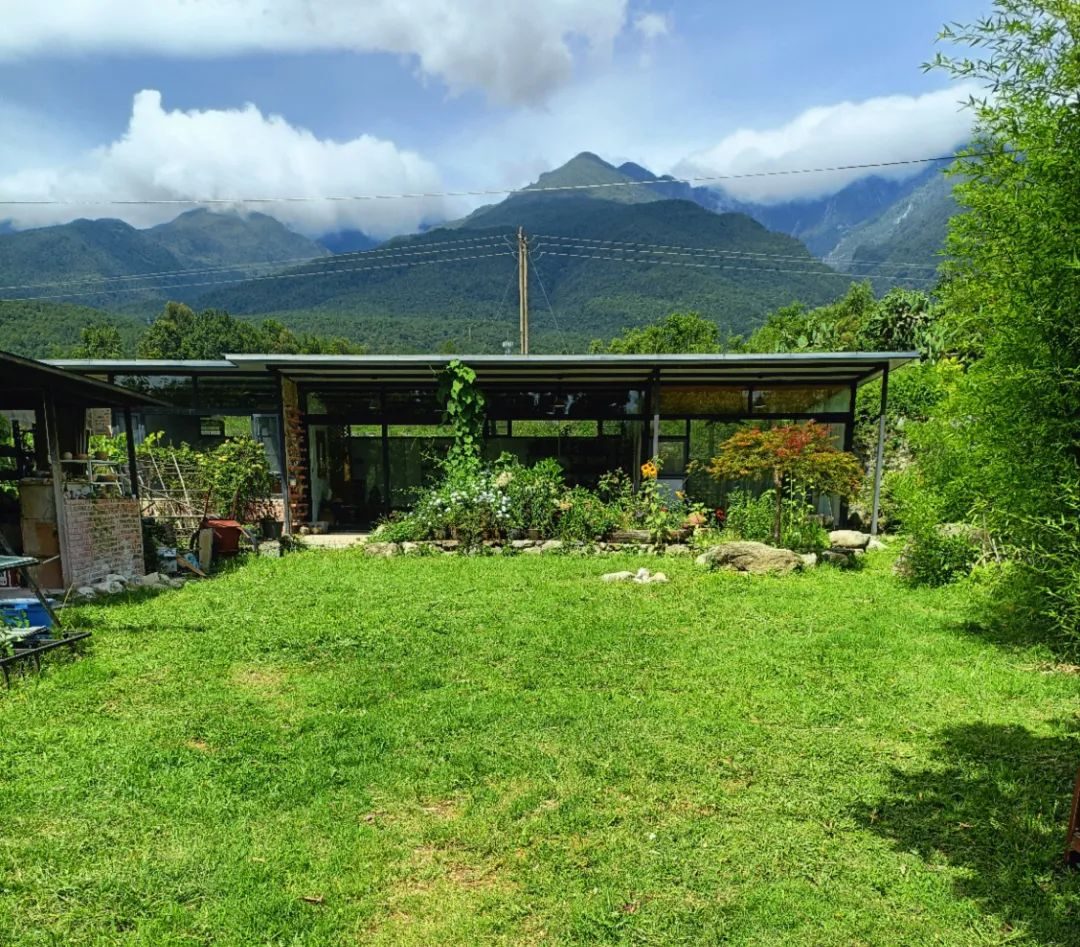
Her studio is a beautiful and spacious courtyard at the foot of Cangshan Mountain. A clear stream flows near the courtyard. You have to cross the stream and pass a waterfall pool to reach it. During the pottery-making process, you will collect plants and clay in the valley, and they will be used in the final pottery. This will be a quite special, beautiful, and unforgettable experience."
- Jason
Being with the Things You Love
Text: Jingshan
Many years ago, I remember it was around 2009, I came to Dali for the first time. At that time, Renmin Road had sparse shops, all simple and unadorned. Walking up the road, there were bicycle rental shops, noodle restaurants, and a shoe repair stall with a sewing machine at the entrance. It seemed the shopkeepers didn't care whether there were customers at their doors; they just lived simple, leisurely lives at their own pace.
When I reached an intersection, there was a canvas sign at a shop door that read "Tushang Culture." Looking through the dark wooden window, the interior was dim. Walking in, there was a low, large wooden table and a row of small wooden stools. A customer was shaping clay. Just like the feeling of the shop, the owner sitting beside me, dressed in coarse cloth shirt and pants, was also casually chatting. I sat down and slowly kneaded the clay, and soon a small horse appeared in my hands. There was no particular technique; it was rough in shape, sturdy and fuzzy. The owner suggested leaving it in the shop to be fired and then mailed to me, but inexplicably I liked this unfired clay creature so much that I simply wrapped it up and took it back home with me, three thousand kilometers away.
This is a clay object that has not been through a 1200-degree high-temperature kiln, yet I really like it. Over the years, I have moved many times, and many things are no longer with me. But this sturdy little thing has stayed by my side. Over the decade or more, because the clay was not fired at high temperature, the little horse's edges and corners have bumps and scratches. Looking at it, it seems that ten years have been recorded along with it, experiencing the richness and change of life together with its owner. It is a recorder of time. Now that I think back, it is truly amazing.
After gradually getting into pottery, I prefer to combine painting, which conveys life's information, with pottery. I don't know much about pottery, but through it, I found a way to express and record. Although I don't have the solid foundation of traditional pottery, diligent practice can achieve proficiency through familiarity. On the other hand, with fewer constraints, constantly making new attempts and explorations, and experiencing new ways of expression is also delightful. Pottery really can be infinitely expanded, and that is its charm. For the owner (or creator) who briefly possesses it, there should be fragments of time and memories shared with this object. Pleasant colors and patterns, or a warm and simple shape and texture, can trigger memories of certain moments.
I think of pottery as a camera, and I aspire to be a craftsman who earnestly records life. It is also a friend that needs no words, accompanying me for a lifetime.
Finally, I hope everyone can find those fragments of time in ordinary life that they are willing to devote themselves to.
Photos
Keep reading
3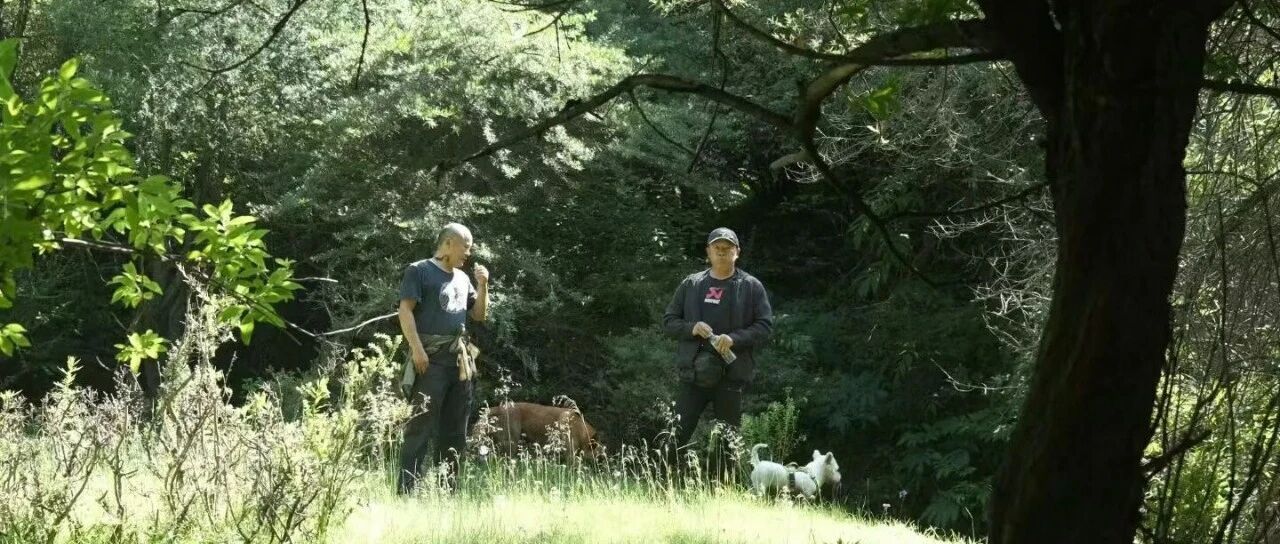
Jason | Using AI to Create Your Own Mini Program/Website
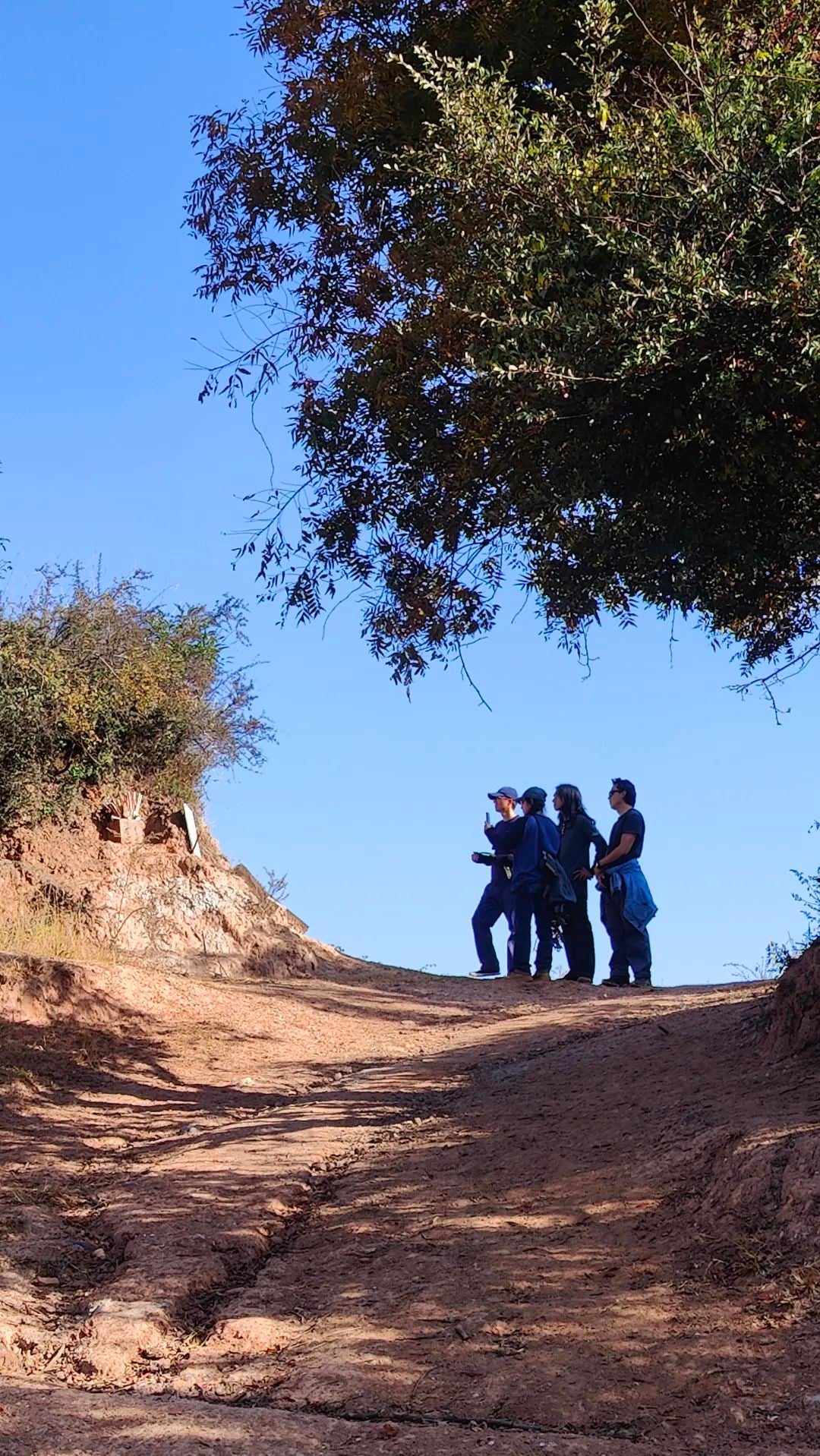
Two months ago in Chiang Mai, I stumbled upon the chance to start learning how to build mini programs. My AI programming mentor, Wangshen, told me, 'Once you finish your mini program, write a summary report.' Now I've completed the new mini program for Cangshan Hiking Home, and it's already being tested. It not only solves problems I've wanted to address for a while, like adding age tags to filter activities and providing an English version, but it has also introduced new features, such as browsing restaurants, guesthouses, and meeting points on a map for a more intuitive experience, and using AI to provide quite intelligent responses.
Learn AI Programming Together
Some information about AI programming
Celebrate the Torch Festival in a Nanzhao Royal Clan Village
Over the past two years, we have taken guests to celebrate the Torch Festival in Songhe Village, Eryuan. Together we slaughtered a sheep, and with the whole village, erected a huge torch in the center of the village square. Everyone made their own torches from hemp stalks, and together with the older and younger villagers, we rushed to grab the blessing baba (cakes) from the big torch, passing blessings to each other with fire. Even for me, a native Bai person, these are rare and precious traditional festival experiences. Dali has endless festivals, and I want to experience them more before they fade away. I remember the Torch Festival of my childhood: torches were no longer enough for me. Before the festival, I would tell my dad to prepare a bucket of waste engine oil and diesel, mix them together, and then I would tightly bind cotton and old cloth with rope into a ball (some kids would secretly take cotton from their quilts at home to make it). Finally, I would make an iron wire ball, soak it in the bucket of oil, and secretly take it out every day to look at it, looking forward to having a great time on the day of the Torch Festival. We would compete in the village and by the rice fields to see whose fireball or torch was more impressive. When the torches and fireballs were almost burned out, we would rush home, walk around the potted fruit trees in circles, and say blessing words, hoping they would grow even better in the coming year.