Xiaochun | The Lost Notebook
Xiaochun has a regret, mentioned several times, about losing a notebook.
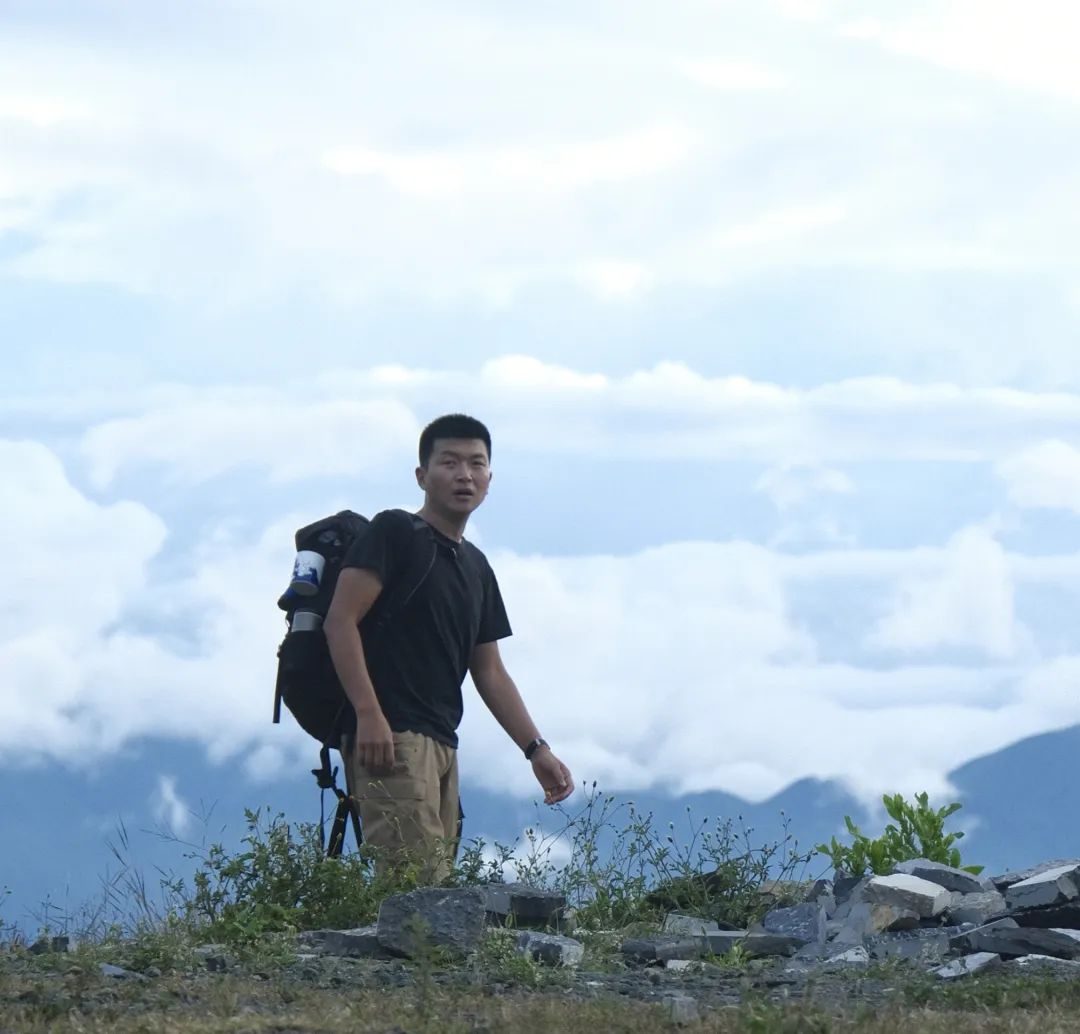
Jason
Xiaochun has a regret, which he has mentioned several times: losing a notebook.
At that time, he was working at the Midnight Diner. When there were few customers in the early morning, after finishing his tasks, he would sit at the table outside the kitchen and write down his feelings with a fountain pen in a notebook. He was young then, with many feelings, and had just left his previous life and work in Xingtai, Hebei, only two or three years before coming to Dali. He had also just gone through a breakup, and had nothing to do to pass the time or ease the pain, so he came to work at the Midnight Diner.
He first came to Dali with his ex-girlfriend because of a romantic relationship. They stayed in a youth hostel, where he met many young people of similar age, including Wang Yue and Chen Xiaoyu. They sunbathed, played, and dated together. At that time, Chen Xiaoyu made a documentary called "Villagers by the Sea," which depicted their lives during that period. Later, Xiaoyu went to Canada to study directing. After returning, her film "Departure by Boat" was selected as one of the final few for FIRST, and is now being prepared for release. Wang Yue is now married and has a child. Xiaochun has been running his whiskey bar, Chunlu Tavern, for many years.
A few days ago, I wrote about a cold meal from that time, which reminded him of a memory from his Midnight Diner period:
"It instantly brought me back to the past. That was the golden age of my life. Some who left have gone, and those alive have aged. Thinking back, you were only the age I am now. How time flies. You have aged, and I and Tailor have both reached the age you were back then. Truly, thank you for appearing in my life, making me fulfilled, sincere, happy, and wonderful. It's great.
I remember the day I first walked into the kitchen to wash dishes for you. You asked me where I was from, what I was doing, whether I was interested in food and beverage, and whether I wanted to try working at the Midnight Diner. At that moment, it changed the trajectory of my life."
This is also my feeling. Having met these people, experiencing these events, and keeping them in my memories, I have become who I am now. In that past period, several important people have even passed away. Amid changes, sighs, and even helplessness and loss, one can feel the strength of life.
Without the notebook, it seems that that emotionally intense period has disappeared, leaving only vague general impressions. The memories in the brain have been covered by new content, and what is somewhat panicking is that I seem to have become a different person, like the Ship of Theseus with most of its parts or even shape replaced. He really wants to go back and see himself. If he had that notebook, that would be really great, as he could meet his past self. Unfortunately, the notebook was taken by someone unknown, taking away the Xiaochun of that period.
Let's open a place for Xiaochun to write his casual feelings, to store his scattered feelings, past and future. Perhaps immature, perhaps intense, perhaps biased, but they are all small details, small matters. Fortunately, they are sincere, which surpasses all pretense. I remember Shu Yang once said that he doesn't like any pretense, and that word gives off an uncomfortable aura to him. He also said that Xiaochun's narrative style is "legendary."
A few years ago, I met Xiaoyu once when she came to Dali. On the lawn of Xunguang Farm, during our chat, she said: "What happens matters, and how it is narrated also matters." Probably this was her insight from writing and making films.
This collection of legendary-style narratives has the tag "Xiaochun."
-----------------------
2023.2.18 Xiaochun
Over the past six months, I have constantly examined myself, and I found that I have long changed. My friends know that I have changed, and I know they know.
There must have been changes for the better, but they were so slight that even I found them hard to notice. More often, I have become more and more disgusted with myself. Compared with my previous self, my frankness, enthusiasm, sincerity, and purity have been discounted, though not by much. Like a piece of ice mixed with impurities, it doesn't affect the transparency of the whole piece, but those impurities stick in my throat.
I don't know exactly when I changed, but I know that when I can discover it myself, it must have been a long time since I changed. Perhaps it is related to my unchanged life and work, or perhaps to my learning ability. I feel the stagnation of personal growth. These changes make me feel painful, disappointed, and hard to forgive myself, but since it is so, there is nothing I can do.
I have analyzed my subconscious through my words and deeds. These changes have social factors, work factors, and factors of survival inertia. But these factors are so subtle—sometimes a sentence, sometimes a subconscious action. After it happens, I suddenly realize how I could be like this. Only by continuing to delve into my inner subconscious do I realize that I have changed a lot. Unintentional actions, but I admit the subconscious does not lie.
Moments when my heart is soft are becoming fewer and fewer, and my sensitivity to the things around me is decreasing. Instead, I become more indifferent, going further and further in my narrow life and cognition. I can sense all these, but I can only sense them. Those subtle changes give me no clue on how to correct them. I don't know what I will eventually become, so I can only try to slow down.
Keep reading
3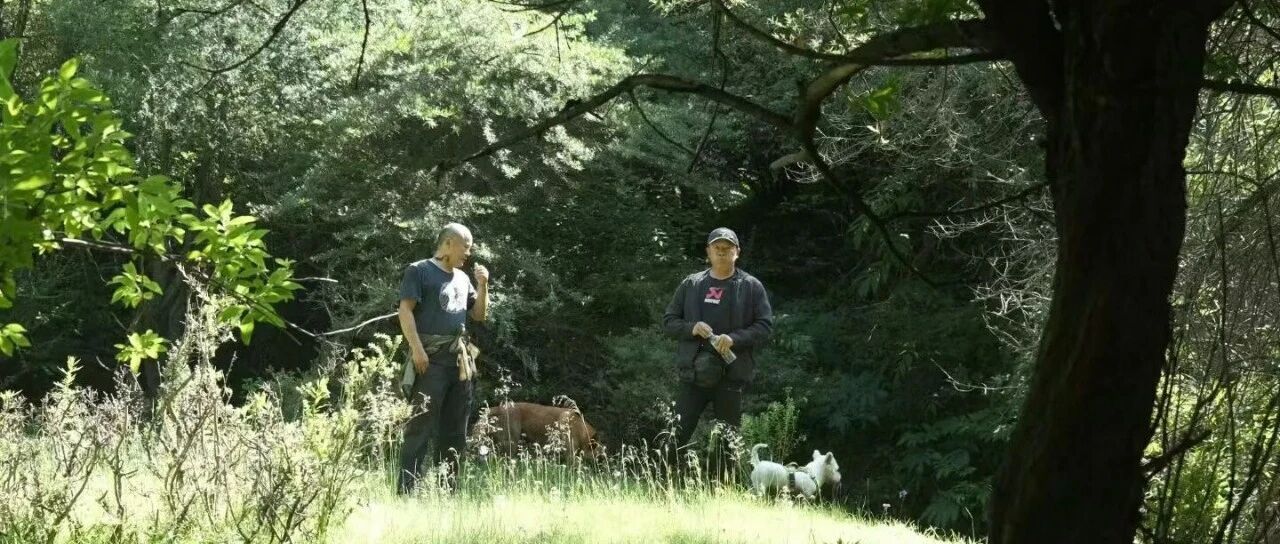
Jason | Using AI to Create Your Own Mini Program/Website
Two months ago in Chiang Mai, I stumbled upon the chance to start learning how to build mini programs. My AI programming mentor, Wangshen, told me, 'Once you finish your mini program, write a summary report.' Now I've completed the new mini program for Cangshan Hiking Home, and it's already being tested. It not only solves problems I've wanted to address for a while, like adding age tags to filter activities and providing an English version, but it has also introduced new features, such as browsing restaurants, guesthouses, and meeting points on a map for a more intuitive experience, and using AI to provide quite intelligent responses.
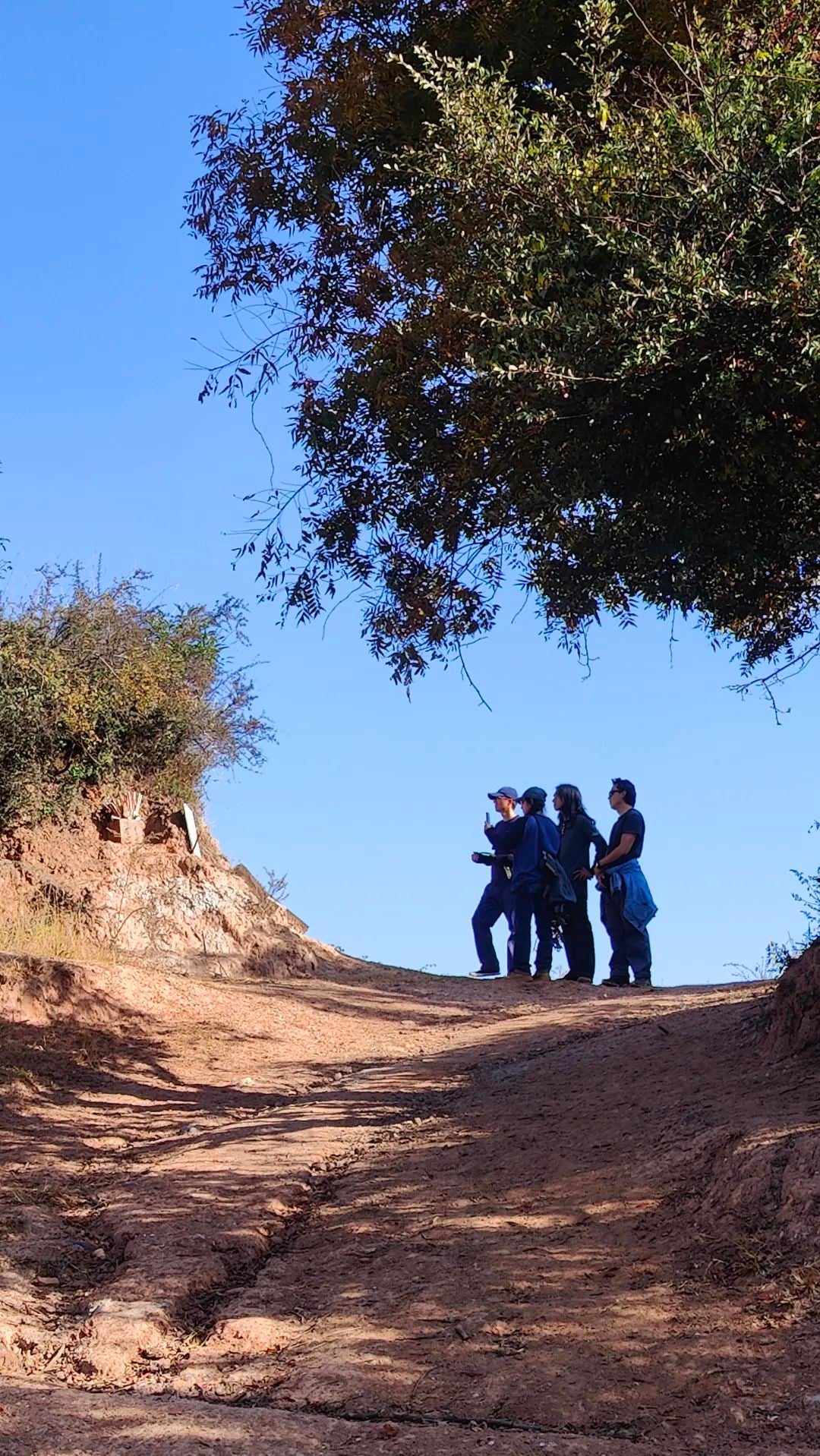
Learn AI Programming Together
Some information about AI programming
Celebrate the Torch Festival in a Nanzhao Royal Clan Village
Over the past two years, we have taken guests to celebrate the Torch Festival in Songhe Village, Eryuan. Together we slaughtered a sheep, and with the whole village, erected a huge torch in the center of the village square. Everyone made their own torches from hemp stalks, and together with the older and younger villagers, we rushed to grab the blessing baba (cakes) from the big torch, passing blessings to each other with fire. Even for me, a native Bai person, these are rare and precious traditional festival experiences. Dali has endless festivals, and I want to experience them more before they fade away. I remember the Torch Festival of my childhood: torches were no longer enough for me. Before the festival, I would tell my dad to prepare a bucket of waste engine oil and diesel, mix them together, and then I would tightly bind cotton and old cloth with rope into a ball (some kids would secretly take cotton from their quilts at home to make it). Finally, I would make an iron wire ball, soak it in the bucket of oil, and secretly take it out every day to look at it, looking forward to having a great time on the day of the Torch Festival. We would compete in the village and by the rice fields to see whose fireball or torch was more impressive. When the torches and fireballs were almost burned out, we would rush home, walk around the potted fruit trees in circles, and say blessing words, hoping they would grow even better in the coming year.